🌵 Growing Your Tiscalatengo Gorge Sedum Outdoors
Sedum clavatum
By the Greg Editorial Team
Sep 30, 2024•4 min read
This article was created with the help of AI so we can cover more plants for you. May contain errors. See one? Report it here.
Elevate your garden with vibrant Tiscalatengo Gorge Sedum by mastering sunlight and seasonal care! 🌞
- ☀️ Tiscalatengo Gorge Sedum needs 6-8 hours of sunlight for optimal growth.
- 💧 Water only when soil is dry to prevent root rot and diseases.
- 🌱 Well-draining soil is essential; mix in perlite or sand for best results.
Sunlight Requirements
Ideal Sunlight Exposure 🌞
For your Tiscalatengo Gorge Sedum, aim for full sun, which means providing 6-8 hours of direct sunlight daily. While these plants can tolerate partial shade, they may not produce as many flowers, so it's best to give them plenty of light.
Importance of Sunlight ☀️
Sunlight is crucial for promoting healthy growth and vibrant flowering. Without sufficient sunlight, you might notice leggy growth and a general reduction in vigor, which can dampen your gardening enthusiasm.
By ensuring your sedum gets the right amount of sunlight, you're setting the stage for a thriving plant that brings joy to your outdoor space. Next, let’s dive into the watering needs to keep your sedum flourishing.
Watering Needs
General Watering Guidelines 🌊
When it comes to watering your Tiscalatengo Gorge Sedum, the key is to let the soil dry out completely between waterings. This practice helps prevent overwatering, which can lead to root rot and other diseases.
Seasonal Adjustments 🍂
During the active growth phases of spring and summer, you’ll want to increase your watering frequency. As the plant enters dormancy in fall and winter, scale back on watering to keep it healthy and thriving.
By following these simple guidelines, you can ensure your Sedum remains vibrant and robust throughout the seasons. Next, let’s explore the ideal soil preferences for optimal growth.
Soil Preferences
Ideal Soil Composition 🌱
For your Tiscalatengo Gorge Sedum, well-draining soil is a must. Sandy or rocky soils are preferred, allowing excess water to escape and preventing root rot.
The soil pH should be slightly acidic to neutral, ideally between 6.0 and 7.0. This range supports optimal nutrient uptake, ensuring your plants thrive.
Soil Amendments 🧪
To enhance drainage, consider incorporating perlite or coarse sand into your soil mix. These amendments create air pockets, promoting healthy root development.
Avoid heavy clay soils, as they retain moisture and can lead to detrimental conditions for your sedum. A well-draining environment is key to keeping your plants happy and healthy.
With the right soil conditions established, you can move on to the next essential aspect of caring for your Tiscalatengo Gorge Sedum: understanding their watering needs.
Planting Options
Container Planting Benefits and Drawbacks 🌱
Benefits
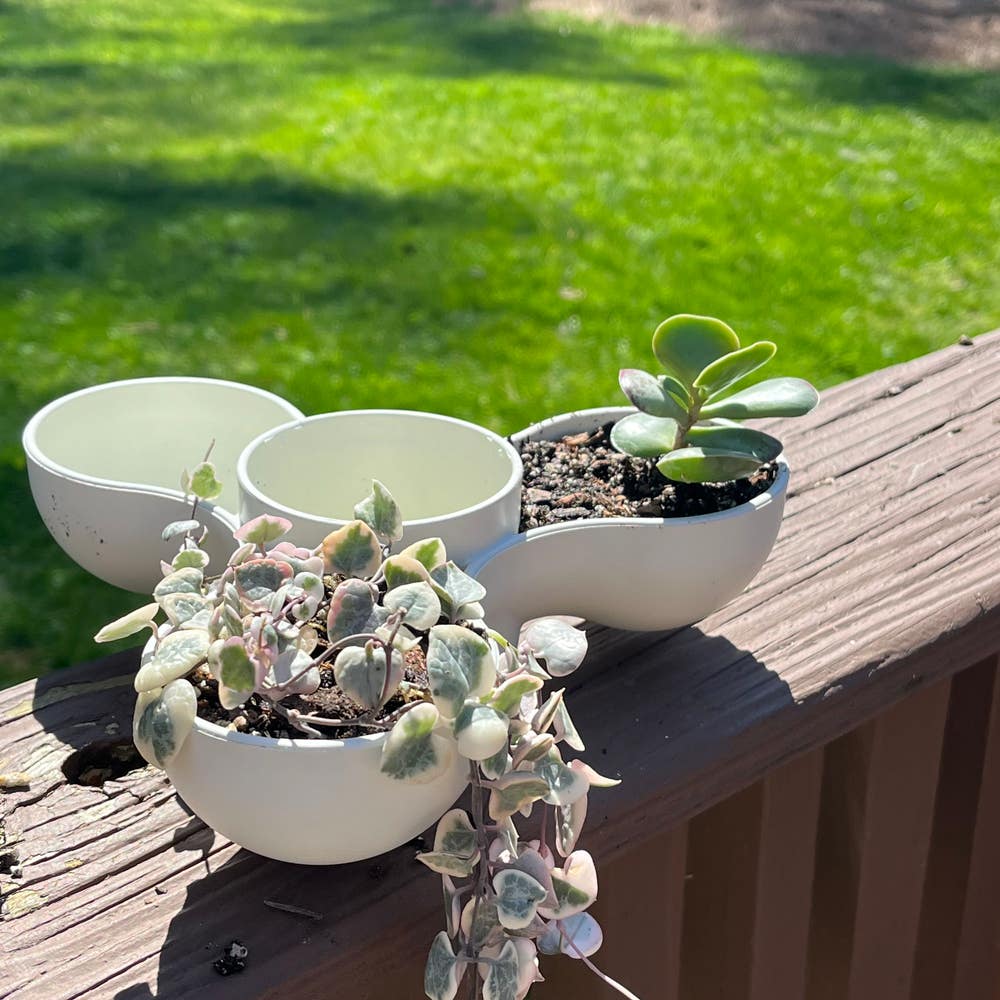
Container planting offers remarkable mobility. You can easily reposition your sedum to capture optimal sunlight or provide protection from harsh weather.
Additionally, it creates a controlled environment. This makes it simpler to manage soil quality and watering needs, ensuring your plants thrive.
Drawbacks
However, container planting comes with its challenges. The limited root space means you may need to water more frequently to keep your sedum healthy.
There's also a risk of overheating during the summer months. Containers can absorb heat, which may stress your plants if not monitored closely.
In-Ground Planting Benefits and Drawbacks 🌍
Benefits
In-ground planting allows for natural growth. Your sedum has ample space for roots to expand, promoting robust development.
Moreover, it typically requires less frequent watering. The surrounding soil retains moisture better than containers, making it easier to maintain hydration.
Drawbacks
On the flip side, in-ground planting offers less control over soil conditions. You might need to amend the soil to ensure it meets your sedum's needs.
Additionally, your plants may face vulnerability to outdoor pests and diseases. This can be a concern, especially in more exposed garden settings.
Understanding these planting options will help you make an informed choice for your Tiscalatengo Gorge sedum. Next, let’s explore how to protect your plants from extreme weather conditions and seasonal changes.
Weather Protection and Seasonal Care
🌪️ Strategies for Extreme Weather Conditions
Weather can be unpredictable, but you can take steps to protect your Tiscalatengo Gorge Sedum.
Mulching is a fantastic way to retain soil moisture and regulate temperature. A layer of mulch not only keeps the roots cool but also helps prevent weeds from competing for nutrients.
Windbreaks are another effective strategy. Using barriers, like fences or shrubs, can shield your plants from strong winds that might otherwise damage them.
🍂 Seasonal Changes and Their Impact on Care
Each season brings unique challenges and opportunities for your sedum.
In spring, keep an eye out for frost. If temperatures dip unexpectedly, covering your plants can save them from damage.
During summer, extreme heat can stress your sedum. Providing some shade during the hottest parts of the day can help them thrive.
As fall approaches, it's time to prepare for dormancy. Reduce watering to mimic natural conditions and allow the plant to rest.
Finally, in winter, protect your sedum from freezing temperatures. A layer of mulch or protective coverings can keep them safe until spring returns.
With these strategies, your Tiscalatengo Gorge Sedum will not only survive but flourish through the seasons. Next, let’s explore the soil preferences that will further enhance their growth.
⚠️ Safety First
This content is for general information and may contain errors, omissions, or outdated details. It is not medical, veterinary advice, or an endorsement of therapeutic claims.
Always consult a qualified healthcare professional before using any plant as food, medicine, or supplement.
Never eat any plant (or feed one to pets) without confirming its identity with at least two trusted sources.
If you suspect poisoning, call Poison Control (800) 222-1222, the Pet Poison Helpline (800) 213-6680, or your local emergency service immediately.
Spotted an error? Please report it here.
Cultivating your Tiscalatengo Gorge Sedum outdoors is thrilling 🌞 when you ensure it gets the right sunlight and watering, and Greg can help you thrive with personalized care reminders for your garden!