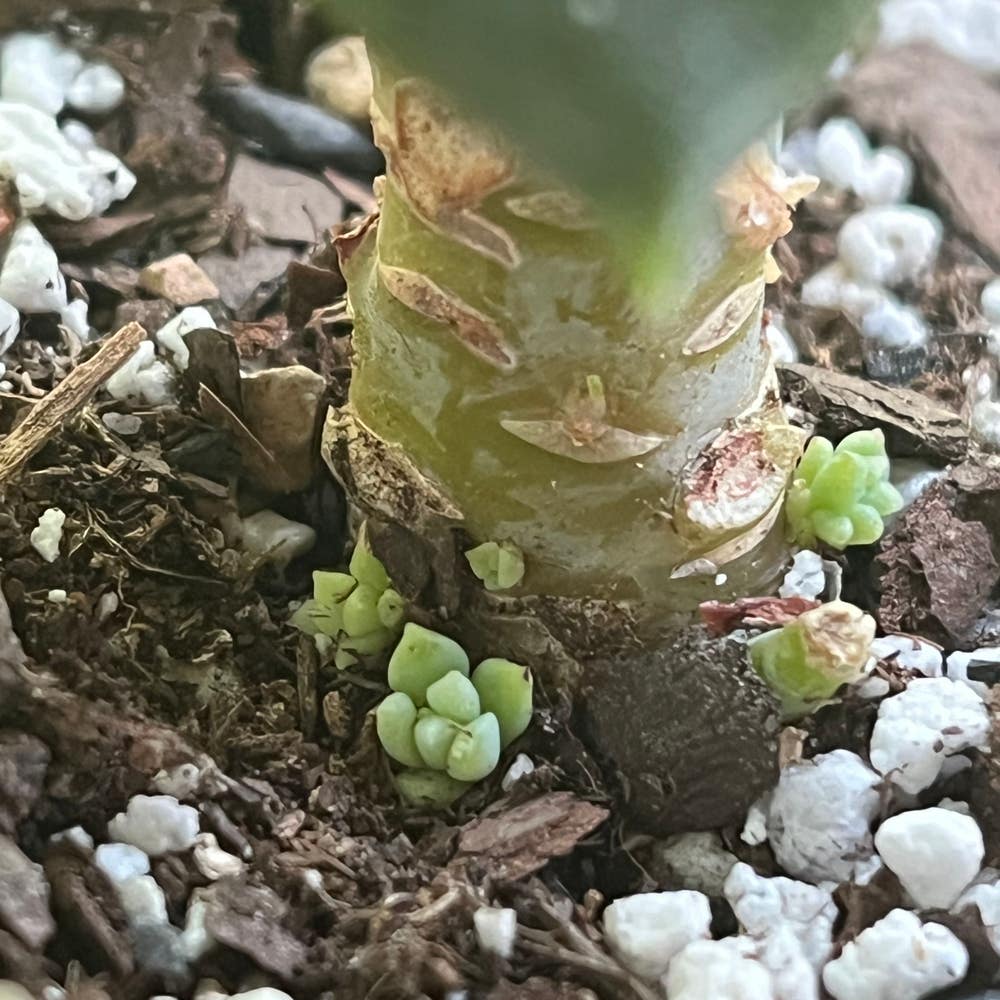
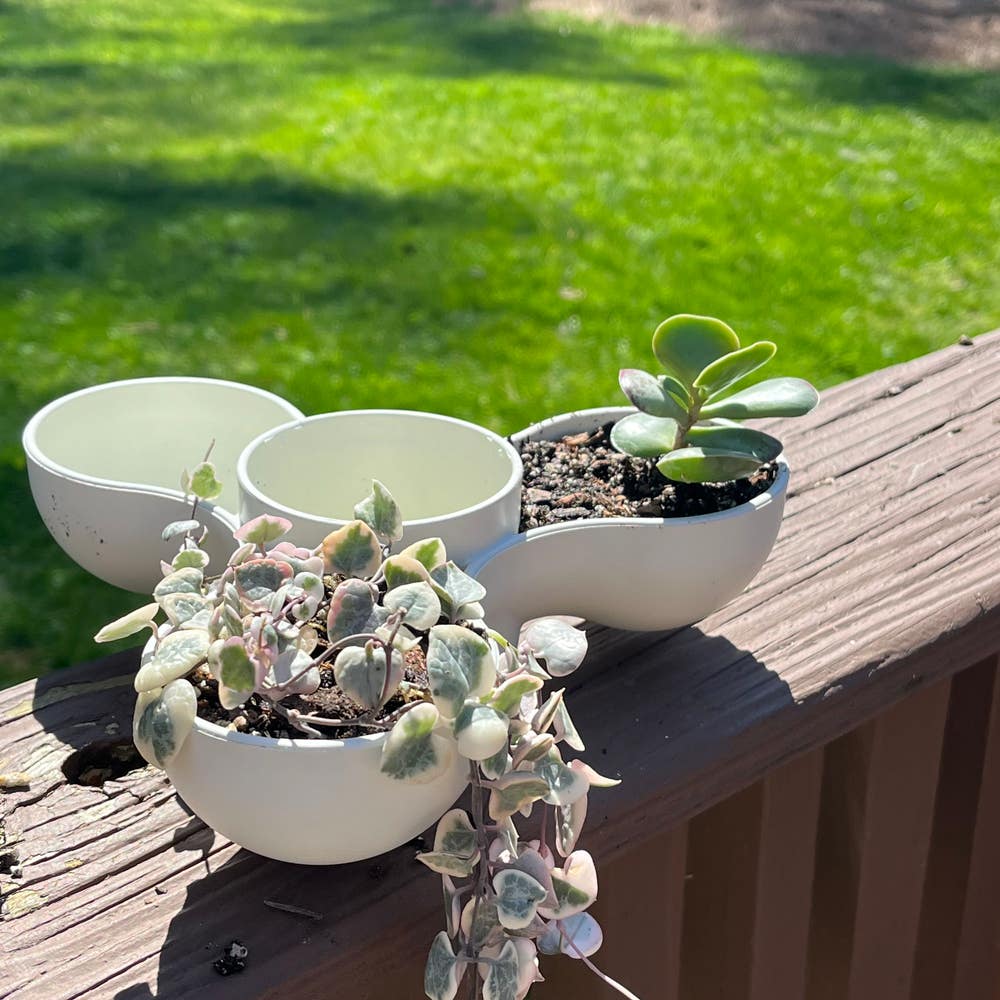
Best Practices for Planting Tiscalatengo Gorge Sedum 🌵
Sedum clavatum
By the Greg Editorial Team
Sep 30, 2024•4 min read
This article was created with the help of AI so we can cover more plants for you. May contain errors. See one? Report it here.
Unlock the secrets of planting vs. transplanting Sedum 🌱 for a flourishing garden that thrives effortlessly!
- 🌱 Established Sedum plants are easier for beginners and acclimate faster than seeds.
- 🌞 Optimal planting seasons are spring and early fall for best growth results.
- 💧 Well-draining soil is crucial; avoid root rot by letting soil dry between waterings.
Planting vs. Transplanting
Key Considerations 🌱
When deciding between planting new Sedum or transplanting established ones, cost is a crucial factor. Initial expenses for seeds or seedlings can be lower, but don’t forget to factor in potential costs for soil amendments and tools.
Time to maturity is another important consideration. New plants generally take longer to establish and bloom compared to their transplanted counterparts, which can start showing results sooner.
Adaptability also plays a significant role in your decision. New plants often require more care to adapt to their environment, while established plants tend to acclimate more quickly, making them a safer choice for novice gardeners.
Understanding these key considerations can help you make an informed decision that aligns with your gardening goals. Whether you choose to plant or transplant, each method has its unique advantages that can lead to a thriving Sedum garden.
Planting New Sedum
🌱 Optimal Timing for Planting
Spring and early fall are the best seasons for planting Sedum. These times align with optimal growth conditions, but always consider your local climate and the specific growth cycle of your Sedum variety.
🪴 Selecting Soil Mix and Containers
For Sedum, a well-draining, rocky soil mix is ideal, with a pH between 6.0 and 7.5. Terracotta pots or raised beds are excellent choices, as they enhance drainage and prevent waterlogging.
📏 Proper Depth and Spacing
When planting, ensure the Sedum is placed 2-3 inches deep in the soil. Maintain spacing of 12-18 inches apart to allow for adequate air circulation and growth.
☀️ Maintaining Ideal Growing Conditions
Sedum thrives in full sun, requiring 6-8 hours of sunlight daily. Watering should be minimal; let the soil dry out between waterings to prevent root rot.
🌤️ Hardening Off Process
Acclimatizing your seedlings is crucial for their survival. Start by exposing them to outdoor conditions for 1-2 hours, gradually increasing this exposure over 7-10 days to help them adjust.
By following these guidelines, you'll set your Sedum up for success. Next, let’s explore how to transplant established Sedum for optimal growth and health.
Transplanting Established Sedum
Optimal Timing for Transplanting 🌱
Transplanting Sedum is best done in early spring or late summer. These seasons help avoid extreme temperatures, ensuring a smoother transition for your plants.
Step-by-Step Instructions 🛠️
- Assess the current health of the plant. Look for signs of vitality to ensure a successful move.
- Water the plant a day before transplanting. This reduces shock and keeps the roots hydrated.
- Carefully dig around the root zone. Maintain a root ball to protect the plant's roots during the move.
- Lift the plant gently from the ground. Handle it with care to avoid damaging the roots.
Preparing the New Planting Site 🏡
Before transplanting, clear the area of debris and weeds. This creates a clean slate for your Sedum to thrive.
Space Requirements 📏
Ensure a minimum spacing of 12-18 inches apart. This allows for adequate growth and air circulation, considering the mature size and spread of the plant.
Tips for Watering, Mulching, and Support 💧
After transplanting, water thoroughly and then allow the soil to dry out.
- Mulching: Use gravel or small stones to retain moisture and prevent weeds.
- Support: If you're working with taller varieties, consider using stakes until they establish themselves.
Transplanting Sedum can be a rewarding experience, leading to a flourishing garden. With these steps, you’re well on your way to ensuring your plants thrive in their new home. Next, let’s explore how to troubleshoot common issues that may arise during this process.
Troubleshooting Common Issues
🌱 Transplant Shock
Transplant shock can be a real downer for your Sedum. Symptoms include wilting, yellowing leaves, and stunted growth, signaling that your plant is struggling to adjust.
To prevent this, focus on proper watering and care during the transition. A little extra attention can go a long way in helping your Sedum thrive.
🚰 Establishment Problems
One of the most common establishment problems is poor drainage, which can lead to root rot. This is a serious issue that can jeopardize your plant's health.
Ensure you use well-draining soil and avoid overwatering. A good mix will keep your Sedum happy and healthy.
🐞 Other Common Issues
Pests like aphids and mealybugs can become unwelcome guests in your garden. Control methods include using insecticidal soap, which is effective and easy to apply.
Additionally, watch out for diseases like fungal infections, often caused by excess moisture. Prevention is key, so maintain proper care to keep your Sedum in top shape.
By addressing these common issues, you can ensure your Sedum flourishes in its new environment. Next, let’s explore how to maintain ideal growing conditions for your plants.
⚠️ Safety First
This content is for general information and may contain errors, omissions, or outdated details. It is not medical, veterinary advice, or an endorsement of therapeutic claims.
Always consult a qualified healthcare professional before using any plant as food, medicine, or supplement.
Never eat any plant (or feed one to pets) without confirming its identity with at least two trusted sources.
If you suspect poisoning, call Poison Control (800) 222-1222, the Pet Poison Helpline (800) 213-6680, or your local emergency service immediately.
Spotted an error? Please report it here.
Plant your Tiscalatengo Gorge Sedum with confidence 🌱, knowing that Greg's customized care reminders will help you provide the perfect conditions for thriving growth!