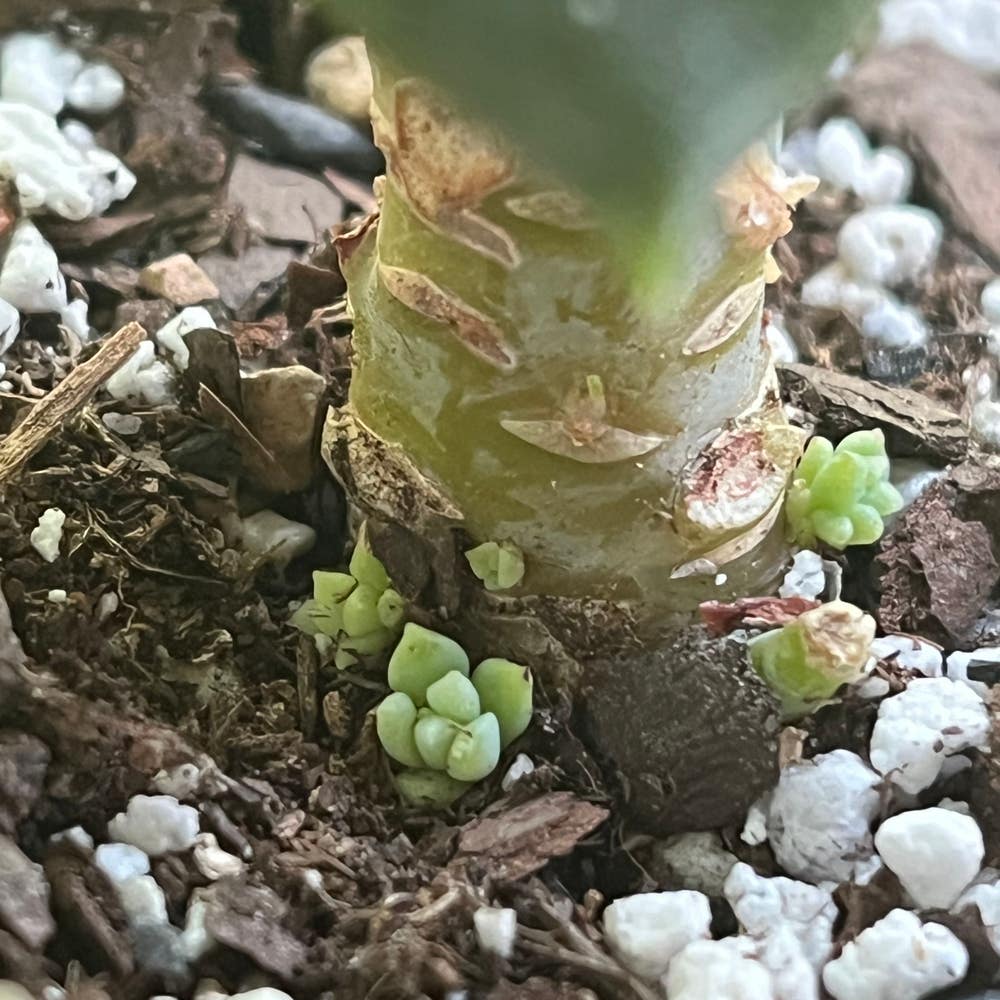
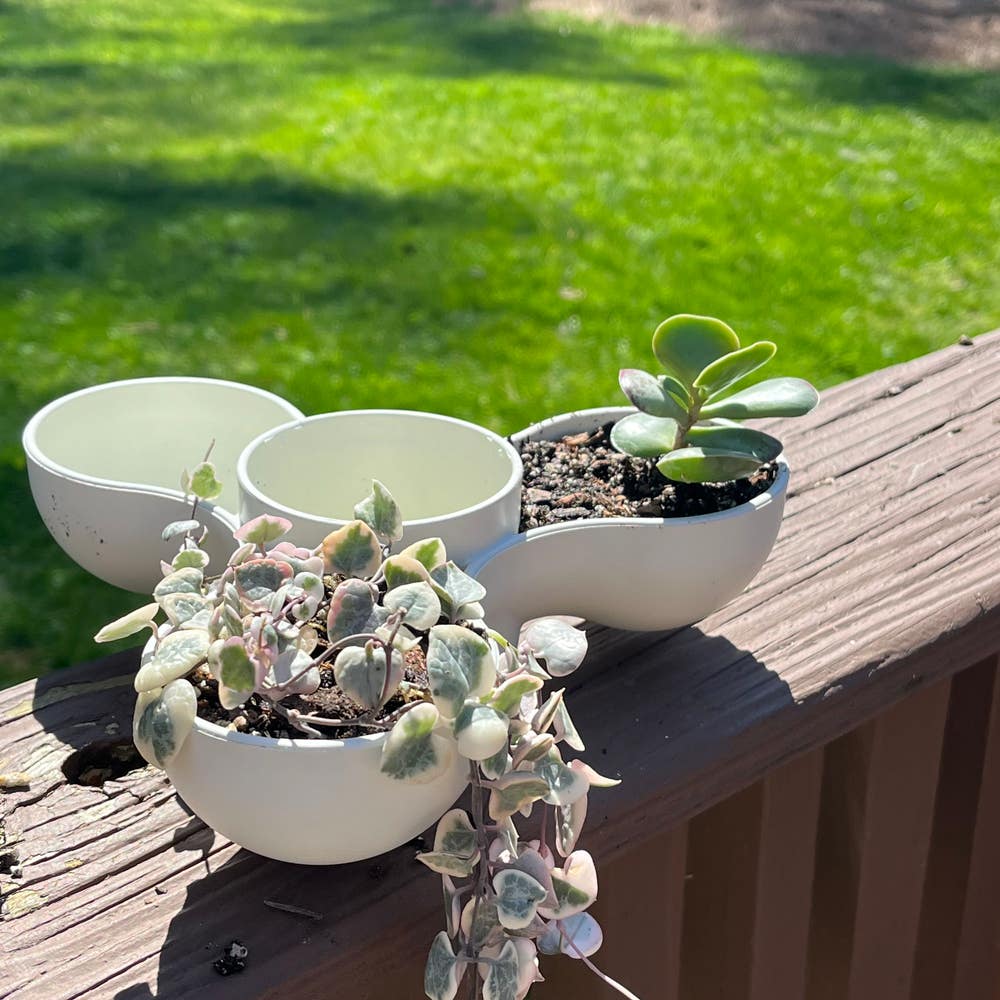
Best Practices for Planting Sedum clavatum
Sedum clavatum
By the Greg Editorial Team
Jan 07, 2025•4 min read
This article was created with the help of AI so we can cover more plants for you. May contain errors. See one? Report it here.
Unlock your garden's potential by mastering planting vs. transplanting Sedum clavatum! 🌱🌿
- 🌱 Transplant established Sedum clavatum for quicker growth compared to new plants.
- 🌞 Best planting times are spring or early fall for optimal conditions.
- 💧 Water only when dry to prevent overwatering and ensure healthy growth.
Planting vs. Transplanting Sedum clavatum
Key Considerations 🌱
When deciding between planting new Sedum clavatum or transplanting established ones, cost is a major factor. Planting new sedum typically incurs a lower initial cost compared to the potential expenses associated with transplanting established plants.
Time to maturity is another important consideration. New plants may take longer to establish their roots, while established plants tend to grow quicker, giving you that lush look sooner.
Adaptability also plays a role in your decision. New plants require a period of acclimatization to their new environment, whereas established plants are already adapted and ready to thrive in your garden.
Understanding these key factors can help you make an informed choice that suits your gardening goals. Whether you opt for new plants or transplanting, each method has its unique benefits and challenges.
Planting New Sedum clavatum
🌱 Optimal Timing for Planting
The best time to plant Sedum clavatum is in the spring or early fall. During these seasons, temperatures are mild, promoting healthy growth.
🌿 Selecting Soil Mix and Containers
For optimal growth, use a well-draining soil mix, ideally a cactus or succulent blend. When choosing containers, ensure they have drainage holes and are 6-8 inches deep to accommodate root growth.
📏 Proper Depth and Spacing
Plant Sedum clavatum 1-2 inches deep, making sure the base of the rosette sits just above the soil level. Space the plants 12-18 inches apart to allow for adequate growth and airflow.
☀️ Maintaining Ideal Growing Conditions
Sedum clavatum thrives in full sun to partial shade, requiring at least 6 hours of sunlight daily. Water the plants only when the soil is dry, and be cautious to avoid overwatering.
🌤️ Hardening Off Process
Before planting outdoors, gradually expose your Sedum clavatum to the elements. Start with 1-2 hours of outdoor exposure, increasing the time daily over 7-10 days, and watch for signs of stress like wilting or sunburn.
By following these guidelines, you'll set your Sedum clavatum up for success. Next, let’s explore how to transplant established plants for optimal growth.
Transplanting Established Sedum clavatum
🌱 Optimal Timing for Transplanting
Transplanting Sedum clavatum is best done in early spring or fall. These seasons align with the plant's growth cycle and local climate, ensuring a smoother transition.
🛠️ Step-by-Step Instructions for Transplanting
Removing the Plant
- Water the plant a day before transplanting to reduce stress on the roots.
- Gently dig around the base to loosen the soil, making it easier to lift the plant.
- Carefully lift the plant, ensuring you keep as much of the root system intact as possible.
Preparing the New Site
- Choose a location that receives full sun to partial shade for optimal growth.
- Amend the soil if necessary to ensure good drainage, which is crucial for Sedum health.
- Dig a hole that is twice the width of the root ball to give the roots ample space to spread.
Proper Placement and Spacing
Place the plant at the same depth it was previously growing to avoid stress. Maintain a spacing of 12-18 inches from other plants to promote airflow and growth.
💧 Tips for Watering, Mulching, and Support
- Watering: Lightly water the plant after transplanting, but avoid soaking the soil.
- Mulching: Use gravel or small stones around the base for improved drainage and temperature regulation.
- Support: Generally, Sedum clavatum does not need support, but ensure stability in windy areas.
Transplanting can be a rewarding experience, allowing you to reposition your Sedum clavatum for better sunlight or aesthetics. With the right timing and care, your plants will thrive in their new homes.
Troubleshooting Common Issues
Addressing Transplant Shock 🌱
Transplant shock can be a real bummer for your Sedum clavatum. Look out for symptoms like wilting, yellowing leaves, and stunted growth.
To help your plant bounce back, ensure you're watering it properly. It's also wise to avoid direct sunlight immediately after transplanting to reduce stress on the plant.
Solutions for Establishment Problems 🛠️
If your Sedum clavatum is struggling to establish, you might notice poor growth, leaf drop, or discoloration. These signs indicate that something's off in its new environment.
Start by checking the soil moisture; it should be just right—not too dry or soggy. Adjusting sunlight exposure and ensuring proper spacing can also make a significant difference in helping your plant thrive.
Other Common Issues 🚨
Overwatering is a common pitfall for many plant enthusiasts. If you see mushy leaves, it's a clear sign that your Sedum clavatum is getting too much water.
To remedy this, allow the soil to dry out completely before watering again. Additionally, keep an eye out for pests like aphids or mealybugs; using insecticidal soap can help keep these nuisances at bay.
With these troubleshooting tips, your Sedum clavatum can flourish in its new home. Next, let’s explore how to maintain ideal growing conditions for your plants.
⚠️ Safety First
This content is for general information and may contain errors, omissions, or outdated details. It is not medical, veterinary advice, or an endorsement of therapeutic claims.
Always consult a qualified healthcare professional before using any plant as food, medicine, or supplement.
Never eat any plant (or feed one to pets) without confirming its identity with at least two trusted sources.
If you suspect poisoning, call Poison Control (800) 222-1222, the Pet Poison Helpline (800) 213-6680, or your local emergency service immediately.
Spotted an error? Please report it here.
Plant your Sedum clavatum with confidence 🌱 by using Greg's custom watering reminders to keep your plants thriving in their ideal conditions!