Why Sedum clavatum Is A Perennial Plant 🌵
Sedum clavatum
By the Greg Editorial Team
Jan 07, 2025•5 min read
This article was created with the help of AI so we can cover more plants for you. May contain errors. See one? Report it here.
Transform your garden with Sedum clavatum's low-maintenance beauty and resilience! 🌱
- 🌱 Sedum clavatum is a perennial, regrowing from the same roots each year.
- 🌞 Low-maintenance and drought-resistant, it thrives in full sun with minimal care.
- 🌼 Attracts pollinators with star-shaped flowers, enhancing your garden's biodiversity.
Characteristics that Classify Sedum clavatum as a Perennial
🌱 Multi-Year Lifecycle
Sedum clavatum is a perennial plant, meaning it has the remarkable ability to regrow from the same root system each year. This characteristic sets it apart from annuals, which complete their life cycle in one growing season, and biennials, which take two years to mature.
Perennials like Sedum clavatum thrive year after year, providing a reliable and low-maintenance option for gardeners. Their resilience allows them to adapt and flourish in various conditions, making them a favorite among plant enthusiasts.
🌼 Growth Patterns and Flowering
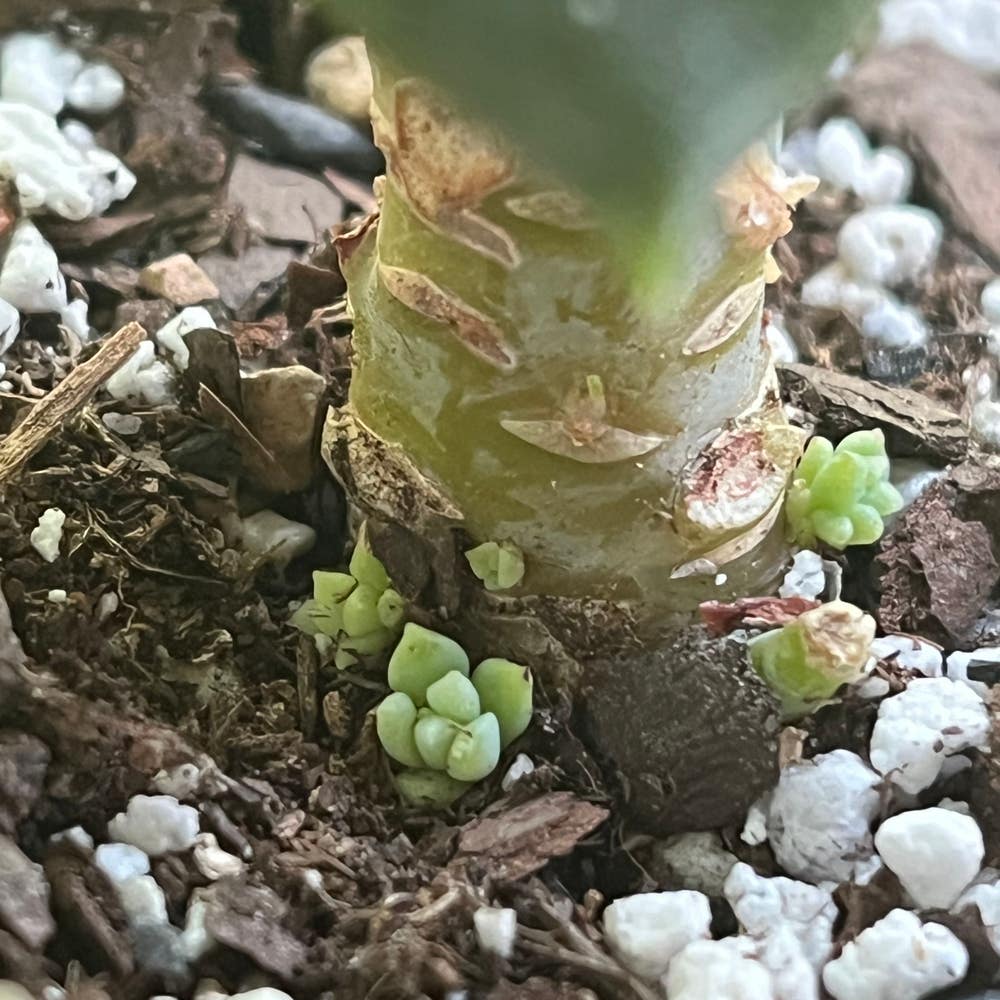
One of the most striking features of Sedum clavatum is its unique growth pattern, characterized by the formation of rosettes. These rosettes emerge in a compact arrangement, showcasing the plant's ability to conserve space and resources.
Flowering typically occurs during the warmer months, with Sedum clavatum producing clusters of small, star-shaped flowers. The timing of flowering is influenced by environmental conditions, such as light and temperature, which can vary from year to year.
The flowers themselves are not only visually appealing but also attract pollinators, adding to the plant's ecological value. Understanding these growth patterns can help gardeners anticipate the best care practices for their Sedum clavatum.
As we explore the dormancy and seasonal changes of Sedum clavatum, we’ll uncover how this plant adapts to its environment throughout the year.
Dormancy and Seasonal Changes
Dormancy Periods 🌙
Sedum clavatum experiences dormancy triggered by changes in temperature and light. As days shorten and temperatures drop, this resilient plant conserves energy, entering a restful state.
The duration of dormancy can vary, typically lasting several weeks to months. During this time, growth slows significantly, allowing the plant to survive harsh conditions and emerge stronger when the seasons change.
Seasonal Growth Patterns 🌱
In spring, Sedum clavatum bursts into active growth, showcasing vibrant rosettes. This is the time for rejuvenation, as the plant absorbs nutrients and prepares for the warmer months.
Summer is all about maintenance, where the plant thrives under the sun, but it requires minimal care. As fall approaches, Sedum clavatum starts preparing for dormancy, gradually slowing its growth and conserving resources.
Winter brings a period of rest, where the plant remains dormant. This phase is crucial for its long-term health, ensuring it can rebound beautifully when spring returns.
Advantages of Perennial Nature
🌱 Benefits of Reduced Replanting
One of the standout advantages of Sedum clavatum being a perennial plant is the significant reduction in replanting efforts. Gardeners save both time and money, allowing them to focus on other aspects of their garden.
Established plants also contribute positively to the environment. They provide habitat for beneficial insects and help improve soil health, creating a thriving ecosystem in your garden.
🌳 Established Root Systems
Sedum clavatum boasts a robust root system that enhances its stability. This strong foundation allows the plant to efficiently absorb nutrients and water, making it more resilient against drought conditions.
With established roots, these plants can thrive with less frequent watering. This not only conserves water but also supports a healthier garden overall.
As you consider incorporating Sedum clavatum into your garden, remember these advantages. They not only simplify your gardening experience but also contribute to a sustainable environment.
Lifespan and Longevity Factors
Expected Lifespan 🌱
Sedum clavatum typically boasts an impressive lifespan, often living for several years under optimal conditions. Factors such as soil quality, watering practices, and exposure to sunlight can significantly influence how long these resilient plants thrive.
Healthy plants can live a decade or more, especially when cared for properly. Regular maintenance, including pruning and pest management, can extend their life even further.
Climate Variations 🌤️
The climate plays a crucial role in the growth and longevity of Sedum clavatum. In warmer regions, these plants may flourish, while cooler climates can pose challenges.
To adapt care based on climate:
- Warm Climates: Ensure adequate drainage and avoid overwatering to prevent root rot.
- Cool Climates: Provide protection from frost during winter months, possibly by using mulch or relocating pots indoors.
Understanding your local climate helps in making informed decisions for the care of Sedum clavatum, ensuring they remain vibrant and healthy for years to come.
Maximizing Benefits in Garden Planning
Incorporating Sedum clavatum in Garden Design 🌱
When planning your garden, consider the unique characteristics of Sedum clavatum. This perennial thrives in well-drained soil and full sun, making it ideal for rock gardens or as ground cover.
Companion planting can enhance its growth and aesthetic appeal. Pair Sedum clavatum with drought-tolerant plants like lavender or ornamental grasses to create a vibrant, low-maintenance landscape.
Long-Term Cultivation Strategies 🌿
To ensure your Sedum clavatum flourishes year after year, establish a consistent maintenance routine. Regularly check for pests and remove any dead leaves to promote healthy growth.
Propagation is another key strategy. You can easily propagate Sedum clavatum through leaf cuttings or division, allowing you to expand your garden without significant investment.
By incorporating these strategies, you can maximize the benefits of Sedum clavatum in your garden. This not only enhances your outdoor space but also supports a sustainable gardening practice.
⚠️ Safety First
This content is for general information and may contain errors, omissions, or outdated details. It is not medical, veterinary advice, or an endorsement of therapeutic claims.
Always consult a qualified healthcare professional before using any plant as food, medicine, or supplement.
Never eat any plant (or feed one to pets) without confirming its identity with at least two trusted sources.
If you suspect poisoning, call Poison Control (800) 222-1222, the Pet Poison Helpline (800) 213-6680, or your local emergency service immediately.
Spotted an error? Please report it here.
Enjoy the effortless beauty of Sedum clavatum 🌼 year after year, and let Greg guide you with tailored care tips and reminders to keep your plant thriving through every season!