🌡 What Is A Good Temperature Range For My Sedum clavatum?
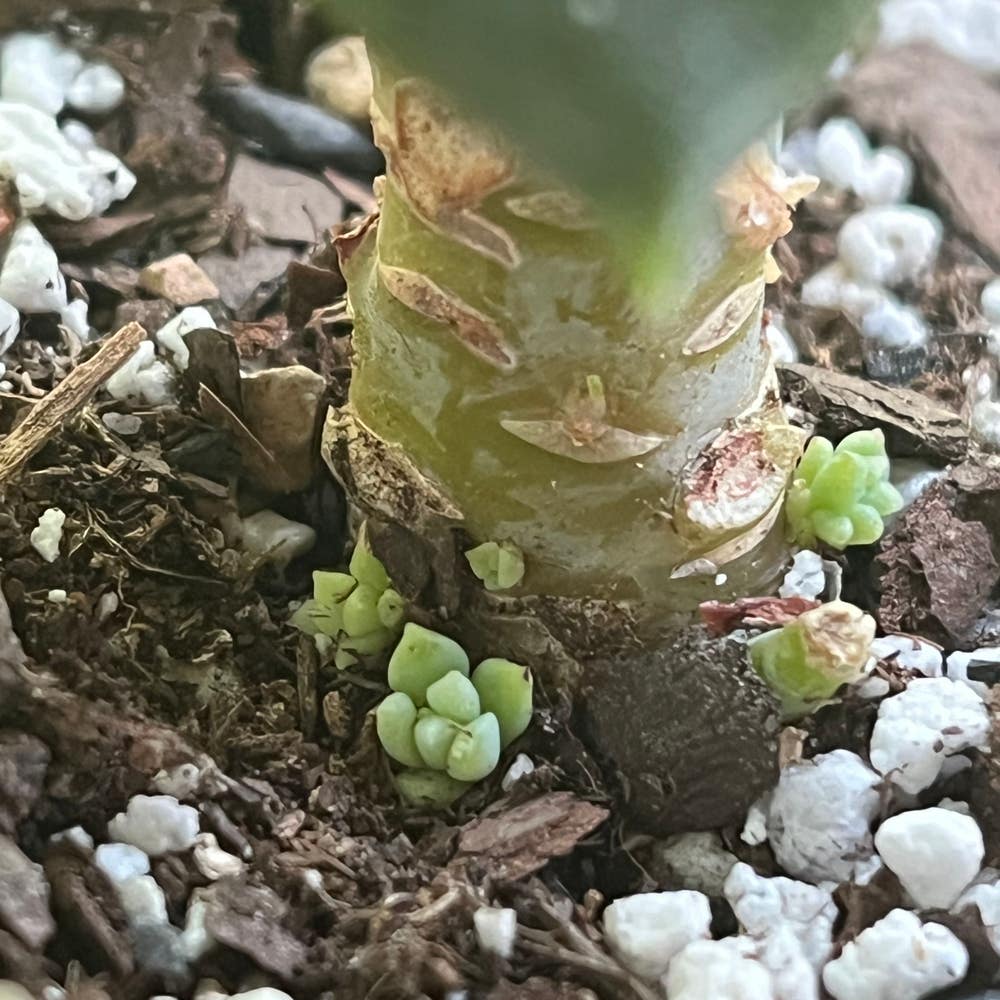
Sedum clavatum
By the Greg Editorial Team
Jun 18, 2024•3 min read
This article was created with the help of AI so we can cover more plants for you. May contain errors. See one? Report it here.
Ensure your Sedum clavatum thrives 🌡️ by mastering its ideal temperature sweet spot! 🌿
- Ideal range 60°F-75°F; avoid heat above 80°F and cold below 60°F.
- 🌡️ Seasonal adjustments necessary for Sedum clavatum's health.
- Consistency is key: Use mulch, containers, and insulation for temperature control.
Hitting the Sweet Spot: Sedum clavatum's Ideal Temperature Range
🌡️ What's Too Hot, What's Too Cold
Sedum clavatum thrives in a temperature range of 60°F to 75°F. Above 80°F, the plant begins to experience heat stress, and below 60°F, it risks cold damage. It's not a fan of frost and should be shielded from freezing conditions.
Seasonal Shifts and Indoor vs. Outdoor Settings
Seasonal changes require temperature adjustments for Sedum clavatum. Indoors, the plant enjoys the stable climate of a home. Outdoors, it may need to be moved to avoid the chill of winter or the scorch of summer. Indoor plants benefit from consistent temperatures, while outdoor plants must be monitored for environmental shifts.

When Things Heat Up: Recognizing Temperature Stress
🌡️ Telltale Signs Your Sedum is Feeling the Heat (or Chill)
Wilting leaves are the plant's white flag, often the first sign of too much heat. If your Sedum clavatum starts to look like it's reaching for an escape, it's likely feeling the burn. Leaf discoloration—from yellow to brown—indicates a cry for help. And when leaves drop like flies, it's a clear SOS that the temperature is off-kilter.
For cold stress, watch for discoloration—leaves may turn darker, almost purplish, as if bruised by the cold. In severe cases, leaves become soft and mushy, signaling frostbite in the succulent world. If your Sedum clavatum's growth seems to have hit the brakes, it's likely feeling the chill.
Common Culprits Behind the Stress
Temperature swings are more than just uncomfortable; they disrupt the plant's metabolic processes. If your Sedum clavatum is less perky than usual, check the air. Too dry? A pebble tray or occasional misting can help. Too humid? Increase air circulation or move it to a different spot.
Direct sunlight can scorch your Sedum, while too much shade can lead to legginess. And remember, pests love a stressed plant, so an increase in bug activity could indicate your Sedum is sweating it out. Avoid drafts and heaters to maintain a steady temperature and prevent your Sedum from becoming a botanical ice sculpture or a sunburned succulent.

Keeping Your Cool: Protecting Sedum clavatum from Temperature Extremes
🌡️ Quick Fixes for Sudden Temperature Drops or Spikes
When the thermometer throws a curveball, Sedum clavatum needs a quick save. For a sudden chill, think of moving your plant to a warmer spot as giving it a warm hug. If it's a heatwave that's crashing the party, relocate your Sedum to a shadier locale, like slipping it under a parasol on a sunny beach.
🌿 Long-Term Strategies for Temperature Stability
Consistency is the secret sauce for Sedum success. To keep temperatures steady, consider placing your plant in an area that's less affected by the whims of Mother Nature. Think insulated rooms or temperature-controlled greenhouses. For outdoor plants, strategic use of mulch can keep soil temperatures from bouncing around like a yo-yo. And remember, containers are your friend—they make your Sedum mobile, so you can chase the shade or flee the frost.

⚠️ Safety First
This content is for general information and may contain errors, omissions, or outdated details. It is not medical, veterinary advice, or an endorsement of therapeutic claims.
Always consult a qualified healthcare professional before using any plant as food, medicine, or supplement.
Never eat any plant (or feed one to pets) without confirming its identity with at least two trusted sources.
If you suspect poisoning, call Poison Control (800) 222-1222, the Pet Poison Helpline (800) 213-6680, or your local emergency service immediately.
Spotted an error? Please report it here.
Ensure your Sedum clavatum stays happy and healthy 🌡️ by using Greg to adapt to temperature shifts with ease, keeping your green friend in its ideal climate comfort zone.