💧 Why Are My Sedum clavatum Leaves Mushy?
Sedum clavatum
By the Greg Editorial Team
Jun 18, 2024•4 min read
This article was created with the help of AI so we can cover more plants for you. May contain errors. See one? Report it here.
Prevent mushy leaves and ensure your Sedum clavatum thrives with these essential care tips! 🌵🛡️
- Overwatering and poor drainage lead to mushy Sedum clavatum leaves.
- Root rot affects leaf health; watch for early signs.
- Regular care and correct soil/pot choice prevent mushiness.
Spotting the Signs of Trouble
🌱 Identifying Mushy Leaves: What to Look for in Your Sedum clavatum
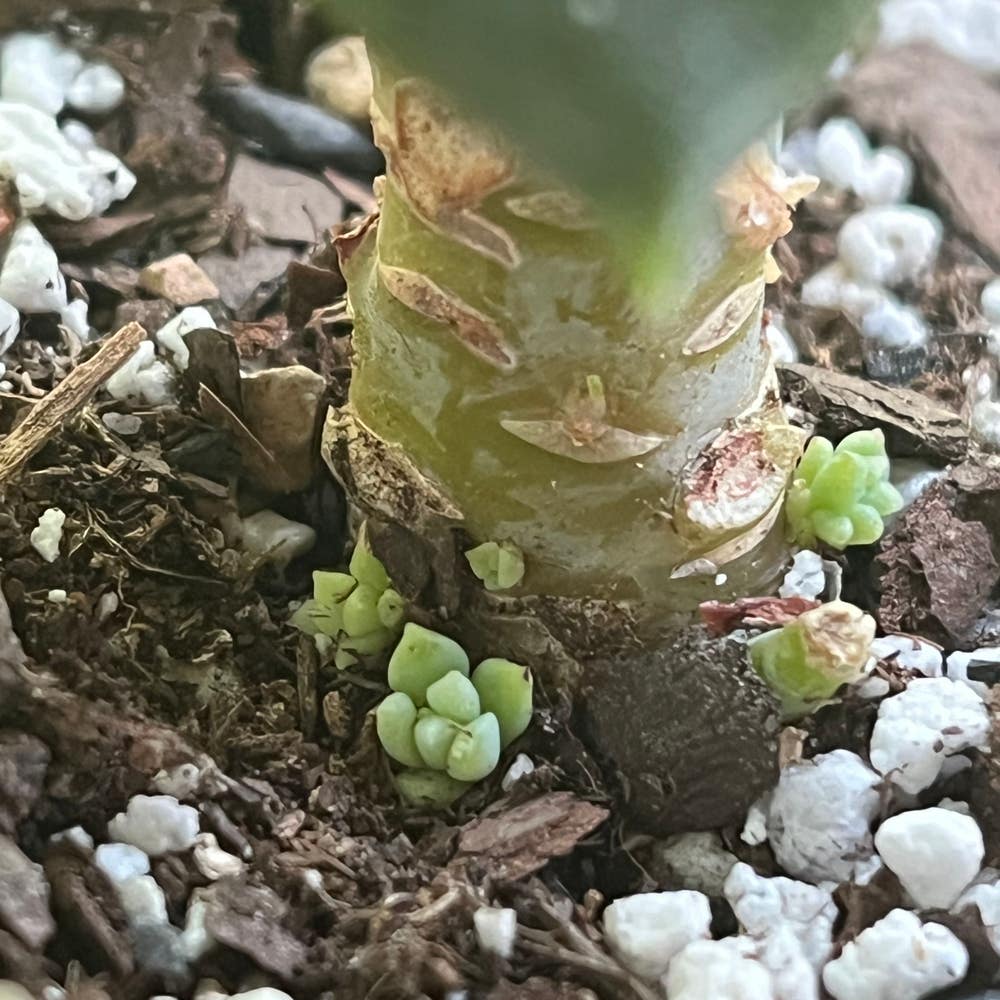
Mushiness is the alarm bell of Sedum clavatum distress. Leaves should be plump and firm, not resembling a soggy kitchen sponge. If you press a leaf and it retains your fingerprint, it's time to take action. Dark spots or a wilted, defeated posture are your plant waving a white flag.
🚨 Beyond the Leaves: Recognizing Related Symptoms of Distress in the Plant
It's not just about the leaves. Stunted growth is a silent scream for help, hinting that your plant's roots might be struggling underwater. Yellowing leaves can be a sign of both overwatering and underwatering, so don't jump to conclusions—investigate further. If your Sedum clavatum is shedding leaves like it's going out of fashion, it's a clear signal that all is not well. Keep an eye out for black or brown roots with the texture of mushy noodles, a telltale sign of root rot. And remember, a healthy Sedum clavatum doesn't need a pool party; it thrives with less water, not more.

Rooting Out the Causes
💦 Overwatering Woes
Overwatering is like giving your Sedum clavatum an all-access pass to a water park—fun at first, but eventually, everything gets soggy. The leaves turn mushy when their roots can't catch a breath under all that H2O.
Signs of overhydration include leaves that feel more like overripe fruit than firm, plump succulents. If your watering can is always out, you might be the culprit behind the mush.
🚰 Drainage Dilemmas
Soil and pot choice are the unsung heroes of plant health. They're like a good support system—without them, things fall apart.
To assess drainage, do a quick check: if water sits on top like a lazy pond or the pot's as watertight as a submarine, you've got a problem. Your plant's roots are throwing a "help us, we're drowning" party, and mushy leaves are the uninvited guests.
🌱 The Rot Within
Root rot sneaks up like a plant ninja, silent and destructive. It's the grim reaper of the root world, turning them into a brown, mushy mess.
Early signs include a musty smell from the soil or roots that crumble with a poke. If your plant's looking more 'zombie apocalypse' than 'lush paradise,' it's time to investigate below the surface.

Turning the Tide on Mushiness
💧 Watering Wisdom
Watering your Sedum clavatum isn't about following a strict schedule; it's about reading the soil's mood. Before you even think about watering, do the touch test: if the top inch feels like a desert, it's time to water. If it's damp, hold off—your plant isn't parched yet.
Tools like moisture meters can be your secret weapon, giving you a peek into the underground scene. A long-spout watering can is also clutch, directing water to the roots and avoiding a foliage fiasco. Remember, wet leaves are a fungus's playground.
🌱 Soil and Pot Perfection
Choosing the right soil for your Sedum clavatum is like crafting the perfect bed for a picky sleeper. Mix in some perlite or coarse sand to your soil to keep it as aerated as a high-altitude campsite.
Pots need to be Swiss cheese-like—the more drainage holes, the merrier. No holes? Time to play handyman with a drill or shop for a new pot. Pair your hole-y pot with a chunky, airy potting mix that's as anti-sog as a desert cactus.
Repotting? Be gentle as you coax your Sedum out of its old digs. Freshen up the pot with a fast-draining mix and give it a good drink. Then, let it bask in a sunny spot with a light breeze—think spa day for your succulent.

Proactive Prevention
💧 Mastering Moisture Control
Watering is the linchpin of succulent health. To avoid mushy leaves, water only when the top inch of soil feels dry. This simple check ensures your Sedum clavatum isn't sitting in moisture longer than it should, keeping those leaves firm and happy.
💨 Airflow and Environment
Air circulation is crucial. It's not just about preventing stagnant air; it's about deterring the pathogens that thrive in it. Position your plant where the air can move freely, but not so gusty that it's living in a wind tunnel. This balance keeps the leaves dry and disease at bay.
👀 Regular Check-ups
Routine inspections are your best defense. Look for early warning signs like color changes or texture shifts in the leaves. Adjust your care routine based on these cues. Remember, the sooner you spot a problem, the easier it is to fix. Keep your tools clean and your eyes sharper; your Sedum clavatum will thank you.
⚠️ Safety First
This content is for general information and may contain errors, omissions, or outdated details. It is not medical, veterinary advice, or an endorsement of therapeutic claims.
Always consult a qualified healthcare professional before using any plant as food, medicine, or supplement.
Never eat any plant (or feed one to pets) without confirming its identity with at least two trusted sources.
If you suspect poisoning, call Poison Control (800) 222-1222, the Pet Poison Helpline (800) 213-6680, or your local emergency service immediately.
Spotted an error? Please report it here.
Avoid the dreaded mushy leaves 💧 in your Sedum clavatum with Greg's personalized watering reminders, ensuring just the right moisture level for healthy growth.