Top 3 Pot Options to Make Your Sedum clavatum Thrive 🪴
Sedum clavatum
By the Greg Editorial Team
Jan 07, 2025•6 min read
This article was created with the help of AI so we can cover more plants for you. May contain errors. See one? Report it here.
Unlock your Sedum clavatum's full potential 🌱 by mastering potting techniques for thriving growth at every stage!
- 🌱 Choose pot sizes wisely: 4-6 inches for juveniles, 8-10 inches for mature Sedum clavatum.
- 💧 Ensure proper drainage: At least one hole is essential to prevent root rot.
- 🪴 Repot during growing season: Spring or early summer is ideal for healthy growth.
Pot Size and Growth Stages
How Pot Size Affects Growth Stages 🌱
Understanding the growth stages of Sedum clavatum is essential for its care. This succulent progresses from a tiny seedling to a robust, mature plant, and each stage requires different considerations, particularly regarding pot size.
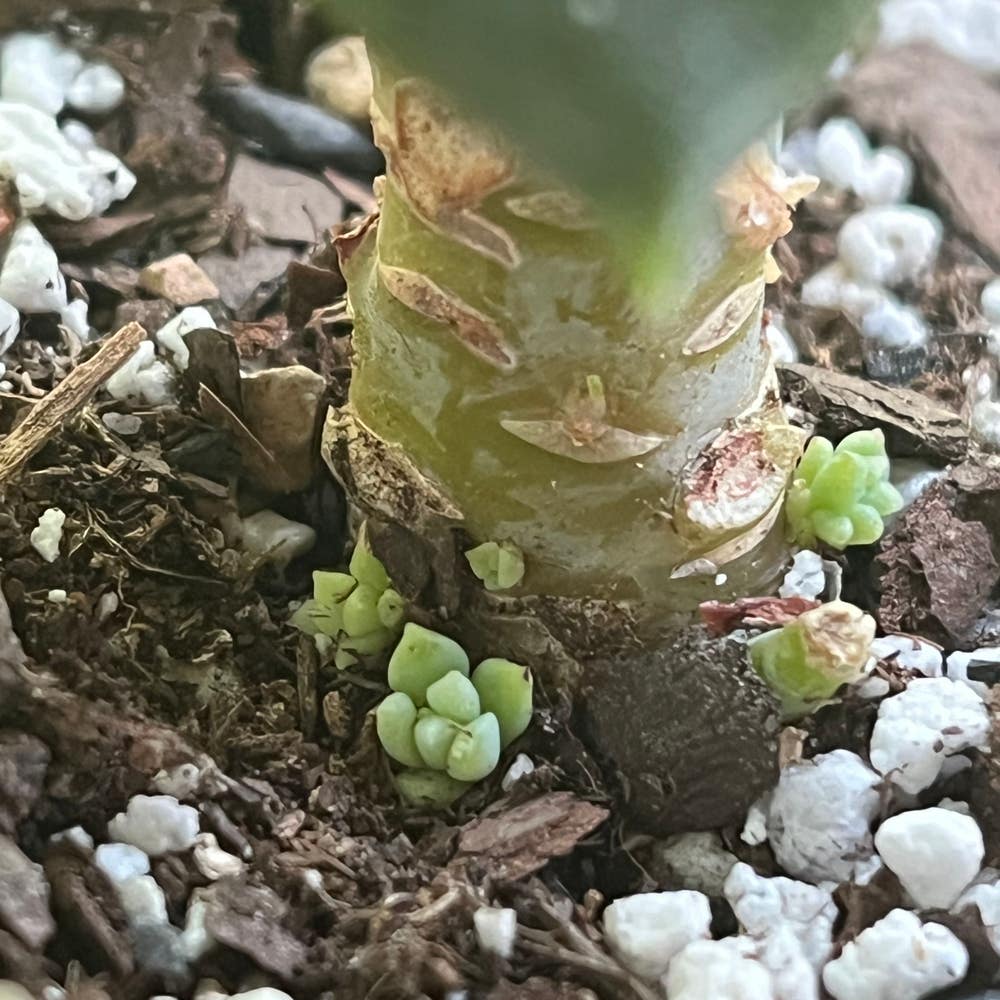
For seedlings, a smaller container is crucial. It helps maintain moisture levels and provides a cozy environment for young roots to establish.
As your Sedum clavatum matures, you'll need to transition to larger pots. Generally, juvenile plants thrive in pots ranging from 4 to 6 inches, while mature plants do best in 8 to 10-inch containers.
Adjusting pot size as your plant grows is vital to avoid stress. A cramped pot can lead to stunted growth and root-bound conditions, which can hinder your plant's health.
By monitoring your Sedum clavatum and repotting when necessary, you ensure it has the space to flourish. This proactive approach will keep your succulent thriving at every stage of its life.
Drainage Considerations
🌊 Importance of Drainage Holes
Drainage holes are essential for the health of your Sedum clavatum. They allow excess water to escape, preventing water accumulation that can lead to root rot.
Without proper drainage, your succulent's roots can sit in soggy soil, which is a recipe for disaster. Aim for at least one drainage hole in the bottom of your pot, but more is better, especially for larger containers.
🛠️ Best Practices for Ensuring Proper Drainage
To enhance drainage, consider layering techniques. Placing gravel or small stones at the bottom of your pot creates a barrier that helps excess water flow away from the roots.
Choosing the right potting mix is equally important. Look for a blend designed for succulents, as it typically contains materials like perlite or sand that improve drainage.
Regular maintenance is key to keeping your drainage effective. Check for clogs in the drainage holes and refresh the potting mix every couple of years to ensure optimal conditions for your Sedum clavatum.
With these practices in place, your succulent will thrive, avoiding the pitfalls of overwatering and root issues. Next, let’s explore the signs that indicate it’s time to repot your Sedum clavatum.
Repotting Sedum clavatum
Signs That It's Time to Repot 🌱
Recognizing when to repot your Sedum clavatum is crucial for its health. One of the primary indicators is root-bound conditions, where roots fill the pot and start to circle around.
You might notice visual cues like roots emerging from the drainage holes or stunted growth. If your plant seems to have plateaued in its development, it could be signaling that it needs more space.
Timing is also essential. Repotting is best done during the growing season, typically in spring or early summer, when your Sedum clavatum is actively thriving.
Step-by-Step Guide to Repotting 🛠️
Preparation: Start by gathering all necessary tools and materials, including a new pot, potting mix, and pruning shears.
Carefully remove the plant: Gently take the Sedum clavatum out of its current pot, being cautious not to damage the roots.
Inspect and prune roots: Check the roots for any signs of rot or damage. Trim away any unhealthy sections to promote better growth.
Place the plant in the new pot: Position the plant in the center of the new pot, ensuring it sits at the same depth as before.
Fill with appropriate potting mix: Add a well-draining potting mix around the plant, ensuring there are no air pockets.
Water lightly: After repotting, give the plant a light watering to help settle the soil without over-saturating it.
Monitor the plant: Keep an eye on your Sedum clavatum for signs of stress, such as drooping leaves or discoloration, and adjust care as needed.
Repotting can seem daunting, but with these steps, your Sedum clavatum will be set up for success in its new home. Next, let’s explore the best pot materials to enhance your plant's growth!
Material Comparisons
Pros and Cons of Different Pot Materials 🌱
When selecting the right pot for your Sedum clavatum, the material can significantly influence its growth and health. Here’s a breakdown of the most common pot materials and their respective benefits and drawbacks.
Clay Pots
Benefits:
- Clay pots are porous, allowing for excellent air circulation and moisture evaporation. This helps prevent overwatering, a common issue with succulents.
- They provide a natural aesthetic that blends well with outdoor and indoor settings.
Drawbacks:
- Clay can be heavy and fragile, making it less ideal for larger plants or frequent movement.
- They tend to dry out quickly, requiring more frequent watering, especially in hot climates.
Plastic Pots
Benefits:
- Lightweight and durable, plastic pots are easy to handle and less likely to break.
- They retain moisture longer than clay pots, which can be beneficial in drier environments.
Drawbacks:
- Plastic lacks the breathability of clay, which can lead to root rot if overwatered.
- They may not provide the same aesthetic appeal as natural materials, potentially clashing with your decor.
Terracotta Pots
Benefits:
- Terracotta pots combine the benefits of clay with a rustic charm that enhances any plant display.
- They are also porous, promoting healthy air circulation and moisture control.
Drawbacks:
- Like clay, terracotta can be heavy and prone to cracking if exposed to extreme temperatures.
- They can absorb moisture, which might require more frequent watering compared to plastic pots.
Choosing the right pot material for your Sedum clavatum is crucial for its health and growth. Consider your environment and personal preferences to make the best choice.
Transition to Common Mistakes 🚫
Now that you understand the pros and cons of different pot materials, let’s explore some common mistakes to avoid when potting your Sedum clavatum.
Common Mistakes
🌱 Overpotting and Its Effects
Overpotting occurs when Sedum clavatum is placed in a pot that is too large for its current size. This can lead to excessive moisture retention, which is detrimental to the plant's health and can result in root rot.
Signs of overpotting include roots emerging from drainage holes and stunted growth. If you notice these indicators, it’s time to reassess your pot size and make adjustments.
🚰 Ignoring Drainage Needs
Neglecting drainage needs can have serious consequences for your Sedum clavatum. Without proper drainage, water can accumulate, leading to root rot and other health issues.
Many people mistakenly believe that a pot without drainage holes is sufficient for succulents. This misconception can be detrimental, as succulents thrive in well-draining environments.
🪴 Choosing the Wrong Material
Selecting inappropriate pot materials can pose risks to your Sedum clavatum. For instance, plastic pots may retain too much moisture, while unglazed clay pots can dry out too quickly.
To avoid common pitfalls, always consider the specific needs of your plant. Opt for materials that promote healthy growth and align with your watering habits.
By being mindful of these common mistakes, you can ensure your Sedum clavatum thrives in its environment. Next, let’s explore the best practices for ensuring proper drainage to keep your plants healthy.
⚠️ Safety First
This content is for general information and may contain errors, omissions, or outdated details. It is not medical, veterinary advice, or an endorsement of therapeutic claims.
Always consult a qualified healthcare professional before using any plant as food, medicine, or supplement.
Never eat any plant (or feed one to pets) without confirming its identity with at least two trusted sources.
If you suspect poisoning, call Poison Control (800) 222-1222, the Pet Poison Helpline (800) 213-6680, or your local emergency service immediately.
Spotted an error? Please report it here.
Keep your Sedum clavatum thriving with the perfect pot size and drainage 🚰, and let Greg guide you with tailored reminders and tips for successful growth!