💧 Why Are My Sedum clavatum Leaves Droopy?
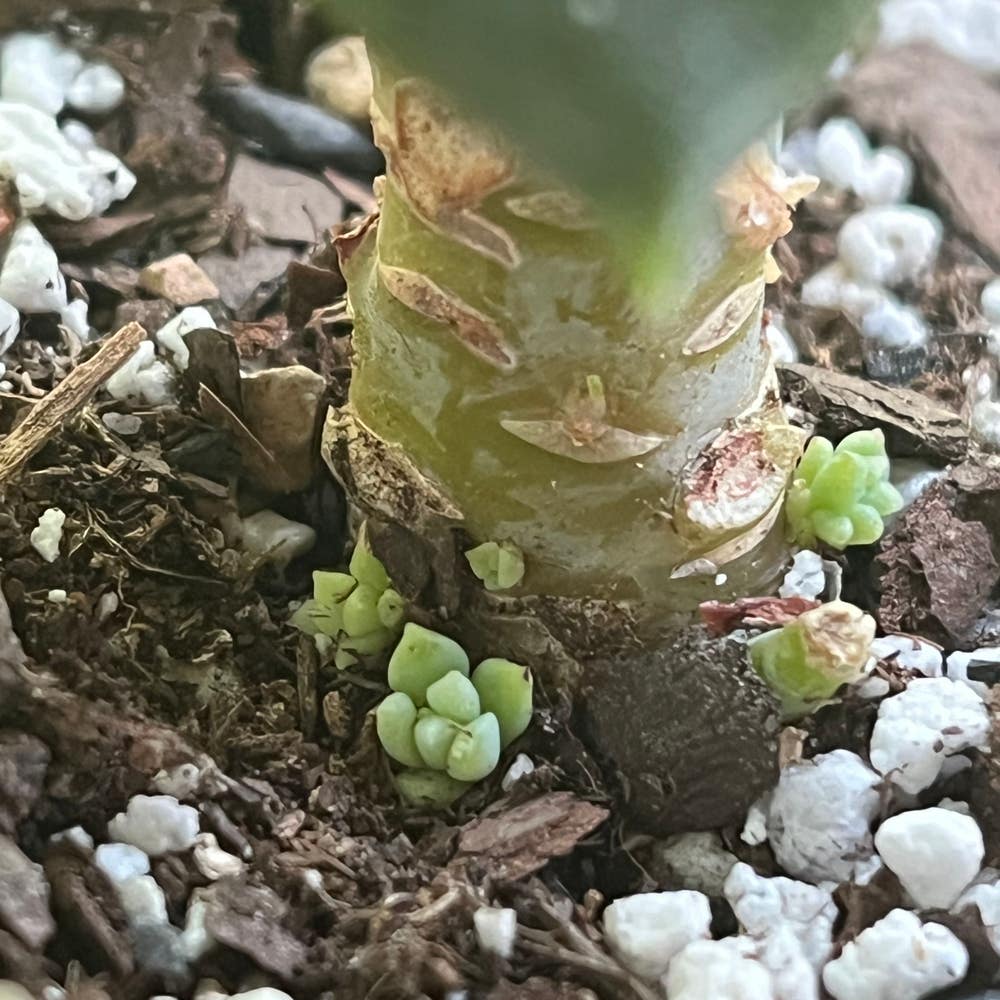
Sedum clavatum
By the Greg Editorial Team
Jun 18, 2024•4 min read
This article was created with the help of AI so we can cover more plants for you. May contain errors. See one? Report it here.
Stop the droop in your Sedum clavatum and restore its perky posture with these targeted tips! 🌵💧
- Overwatering and underwatering can both cause Sedum clavatum leaves to droop.
- Sunburn and heat stress affect leaf health—moderate light and temperature.
- Well-draining soil and balanced watering are crucial for perky leaves.
Spotting the Signs of Distress
🌵 Telltale Symptoms of Droopy Leaves in Sedum clavatum
When your Sedum clavatum starts to look less like a succulent and more like a slouch, droopy leaves are the main giveaway. They might hang down, betraying their usual perky posture. But don't just stop at sagging leaves; yellowing could point to nutrient issues or watering mishaps. If the leaves feel like overcooked pasta, they're likely overwatered. On the flip side, leaves that resemble crumpled paper are crying out for a drink.
🌱 Distinguishing Between Natural Droopiness and Signs of Trouble
Not all droop is doom and gloom. Some natural droopiness can occur during growth phases or specific weather conditions. However, if your Sedum clavatum's leaves are consistently limp and lack their characteristic firmness, it's time for a closer look. Stunted growth and discoloration are red alerts. Leaves dropping like flies or stems turning to mush? These are distress flares you can't ignore. Keep an eye out for black spots too; they're not beauty marks but signs of potential disease.

Unraveling the Root Causes
🌊 Overwatering Woes
Spotting the signs of soggy sadness: overwatering symptoms.
Overwatered Sedum clavatum turns into a mushy mess, with leaves feeling as soft as overripe fruit. If the plant's base is as squishy as a soaked sponge, you're in overwatering territory.
The perils of puddles: how excess water affects Sedum clavatum.
Roots need to breathe, and too much water drowns them in their own home. Root rot sets in, turning the foundation of your Sedum clavatum into a rotten nightmare.
💧 Thirsty for Attention
The shrivel signal: recognizing underwatering.
Leaves wrinkling up like laundry forgotten in the dryer? That's your Sedum clavatum crying out for a drink. When the soil's as dry as a comedian's humor, it's time to water.
Dry spell dangers: the impact of neglecting hydration.
Neglect can leave your plant looking more wilted than a salad left out in the sun. Underwatering stresses the plant, making it more vulnerable to pests and diseases.
🌞 Light and Temperature: Finding the Sweet Spot
Too much sun or not enough? Understanding light needs.
Sedum clavatum loves the sun but can get sunburned too. Leaves dropping like flies? Might be a sign to shade it up a bit.
Feeling the heat: temperature factors in droopy leaves.
If your Sedum clavatum is as droopy as a teenager on a Monday morning, check the temperature. Extreme heat can cause leaves to droop in protest. Keep it cool for happy leaves.

First Aid for Foliage
💧 Watering Wisdom
Watering your Sedum clavatum is like being a DJ at a plant party—you've got to read the room and adjust the volume accordingly. Balance is your mantra when it comes to hydration.
- Fine-tune your watering routine by waiting for the top inch of soil to dry out before giving your plant a drink.
- Use the touch test to assess soil moisture. If it sticks to your finger, it's party time for fungi, not your plant.
🌞 Creating the Ideal Environment
Light and temperature are the bouncers of your Sedum clavatum's health club. They decide what kind of party it's going to be: a chill lounge or a droopy disaster.
- Adjust light exposure to provide bright, indirect light—your plant's equivalent of a sun-kissed selfie without the burn.
- Manage temperature to avoid the extremes. Think of your plant as a guest at a pool party—it likes to stay cool and comfortable.
Soil and Support
The right soil mix for your Sedum clavatum is like a tailored suit—it needs to fit just right.
- Choose a soil mix that's well-draining and aerated. Your plant's roots need to breathe, not swim.
- Ensure drainage is top-notch. A pot without proper holes is like a sinking ship for your plant's roots.

⚠️ Safety First
This content is for general information and may contain errors, omissions, or outdated details. It is not medical, veterinary advice, or an endorsement of therapeutic claims.
Always consult a qualified healthcare professional before using any plant as food, medicine, or supplement.
Never eat any plant (or feed one to pets) without confirming its identity with at least two trusted sources.
If you suspect poisoning, call Poison Control (800) 222-1222, the Pet Poison Helpline (800) 213-6680, or your local emergency service immediately.
Spotted an error? Please report it here.
Ensure your Sedum clavatum stays lively and upright 🌵 with Greg's tailored care reminders, turning droopy leaves into a thing of the past.