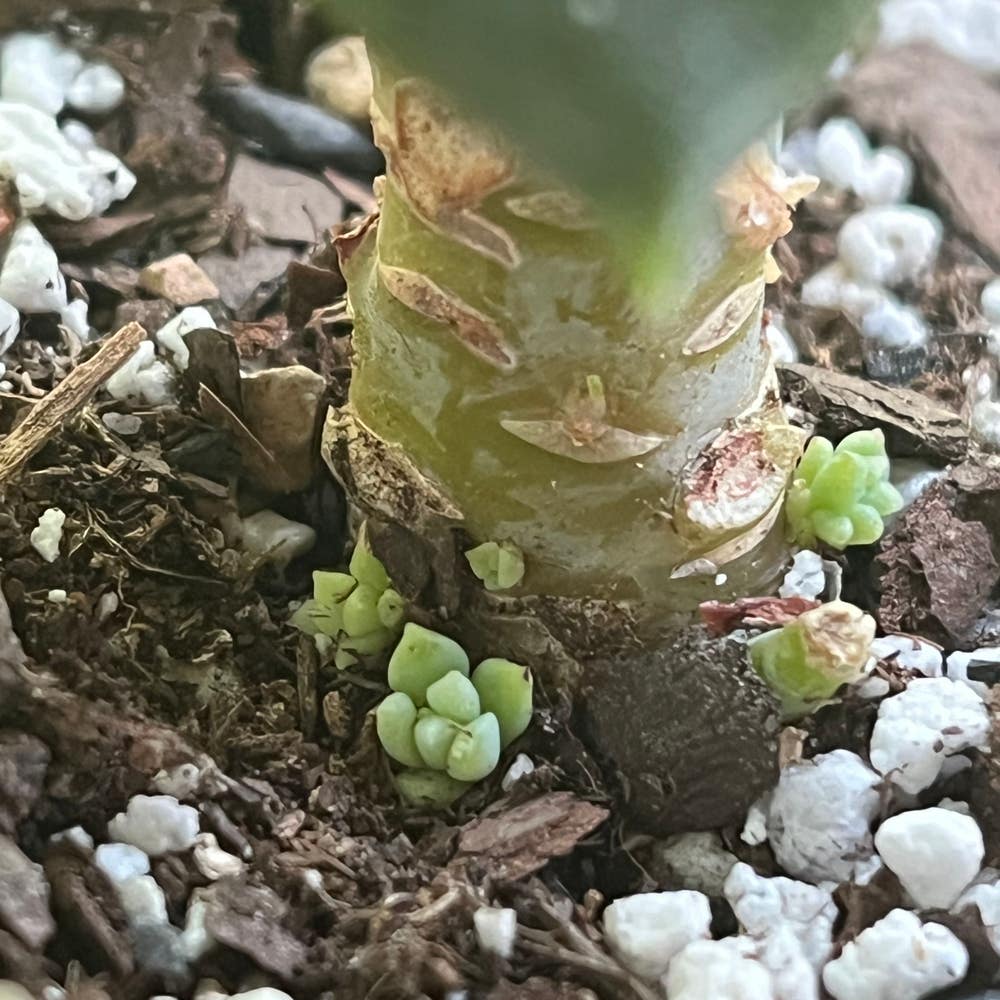
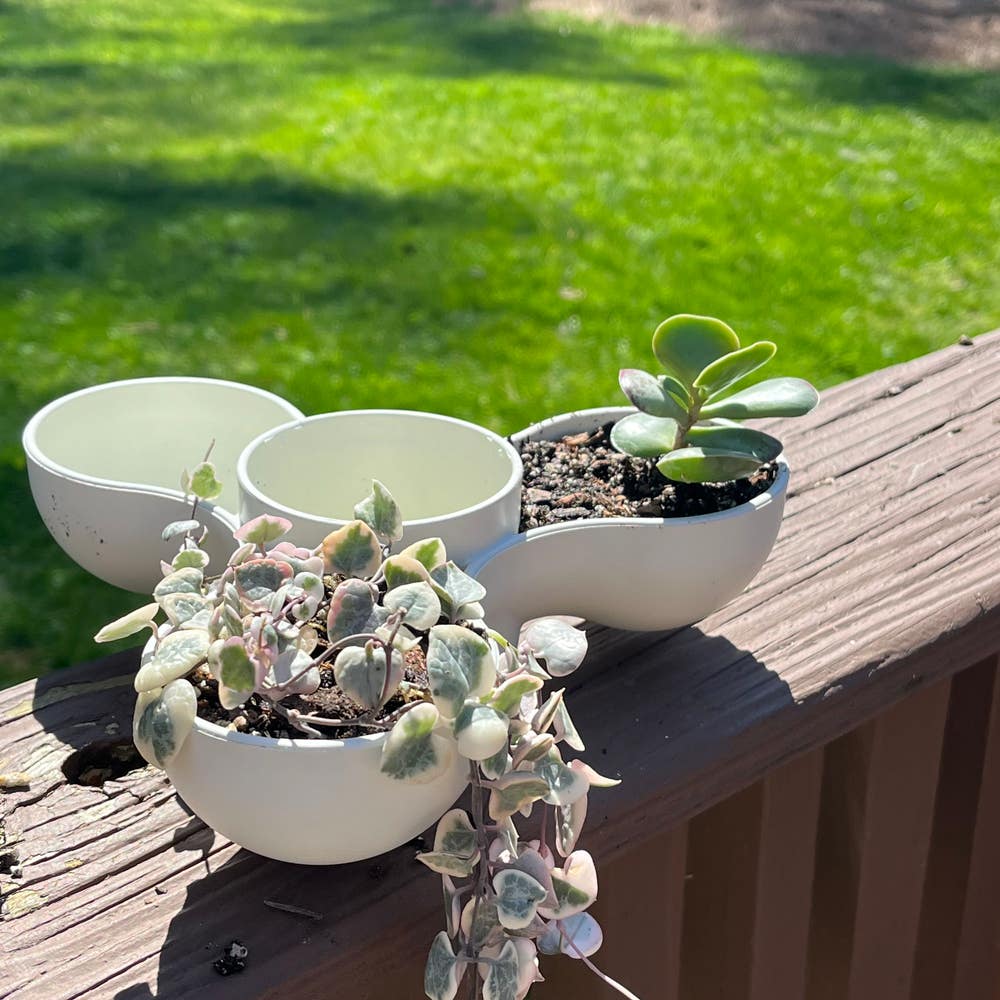
🩹 How to Fix Brown Spots on Your Tiscalatengo Gorge Sedum
Sedum clavatum
By the Greg Editorial Team
Sep 30, 2024•8 min read
This article was created with the help of AI so we can cover more plants for you. May contain errors. See one? Report it here.
Revive your Tiscalatengo Gorge Sedum and banish brown spots for a thriving, vibrant plant! 🌱
- 🌧️ Brown spots arise from overwatering, underwatering, sunburn, pests, or fungal infections.
- 🌞 Prevent sunburn by relocating your Sedum to filtered sunlight.
- 🐛 Regular pest inspections and treatments keep your plant healthy and thriving.
Causes of Brown Spots
💧 Overwatering and Root Rot
Overwatering is a common culprit behind brown spots on your Tiscalatengo Gorge Sedum. Symptoms include yellowing leaves, a mushy texture, and a foul odor emanating from the soil.
The primary causes are poor drainage and excessive watering frequency. If your plant is sitting in soggy soil, it’s time to reassess your watering habits.
🚰 Underwatering and Drought Stress
On the flip side, underwatering can also lead to brown spots. Look for crispy, shriveled leaves and browning edges as telltale signs.
This often results from infrequent watering or dry environmental conditions. Make sure to keep an eye on your plant’s moisture levels to avoid this issue.
☀️ Sunburn and Excessive Light Exposure
Your Sedum can suffer from sunburn if exposed to too much direct sunlight. Symptoms include bleached patches and brown spots on leaf tips.
This typically happens when the plant is in direct sunlight for prolonged periods, especially in hot climates. Consider relocating your plant to a spot with filtered light.
🐛 Pest Infestations
🧼 Mealybugs
Mealybugs can wreak havoc on your Sedum. Look for cotton-like masses on leaves and a sticky residue that indicates their presence.
These pests weaken the plant and lead to leaf discoloration. Regular inspections can help catch them early.
🐜 Aphids
Aphids are another pest to watch out for. These small, green insects often cluster on stems and leaves.
They distort new growth and cause yellowing and browning. If you spot them, act quickly to prevent further damage.
🍄 Fungal Infections and Diseases
Fungal infections can manifest as dark brown spots with yellow halos, often leading to leaf drop. These issues arise from overly moist conditions and poor air circulation.
Keeping your plant in a well-ventilated area can help mitigate this risk.
🌱 Nutrient Deficiencies
🌿 Nitrogen Deficiency
A nitrogen deficiency can leave your Sedum looking pale and stunted. Symptoms include pale green leaves and sluggish growth.
This often stems from poor soil quality or a lack of fertilization. Regularly enriching your soil can help prevent this issue.
🥔 Potassium Deficiency
Brown spots on leaf edges and weak stems are signs of potassium deficiency. This usually results from imbalanced soil nutrients or inadequate fertilization.
Addressing nutrient levels in your soil is crucial for maintaining plant health.
Understanding these causes is the first step in addressing brown spots on your Tiscalatengo Gorge Sedum. Next, let’s explore how to diagnose these issues effectively.
Diagnosing Brown Spots
🌧️ Identifying Symptoms of Overwatering
Overwatering can be a sneaky culprit behind brown spots. To check for root rot, gently remove the plant from its pot and inspect the roots for mushiness or discoloration.
A soil moisture test is also essential. Use a moisture meter or simply stick your finger into the soil to gauge its dampness.
💧 Recognizing Signs of Underwatering
Underwatering manifests through crispy, shriveled leaves. Feel the leaf texture; if it’s dry and brittle, your plant is likely thirsty.
Additionally, check the soil condition. If it’s completely dry, it’s time to give your plant a drink.
☀️ Assessing Light Conditions and Their Impact
Light exposure plays a crucial role in your plant's health. Measure how many hours of direct sunlight your sedum receives daily.
Also, observe the leaf orientation. If leaves are curling or showing signs of sunburn, they might be getting too much direct light.
🐜 Checking for Pests and Their Effects
Pests can wreak havoc on your sedum. Conduct a visual inspection for any small insects on leaves and stems.
Look for sticky residue, which can indicate the presence of pests like aphids or mealybugs. Honeydew or sooty mold are telltale signs of an infestation.
🌱 Evaluating Soil Quality and Drainage
Soil quality is vital for your plant's well-being. Assess the soil texture; compacted or heavy soil can hinder drainage.
Perform a drainage test by watering the plant and observing how quickly the water drains. Slow drainage can lead to root problems down the line.
By diagnosing these issues, you can take the necessary steps to restore your Tiscalatengo Gorge Sedum to its vibrant self. Next, let’s explore effective treatment options to tackle these brown spots head-on.
Treatment Options
Adjusting Watering Practices 🌊
Establishing a consistent watering schedule is crucial for your Tiscalatengo Gorge Sedum. Monitor soil moisture and water only when the top inch feels dry.
Using well-draining soil is essential to prevent water retention. This helps avoid root rot and keeps your plant healthy.
Allow the soil to dry out between waterings. This practice encourages strong root development and prevents overwatering issues.
Improving Soil Drainage 🚰
Amend your soil with perlite or sand to enhance drainage. This will create a more suitable environment for your sedum.
Ensure your pots have drainage holes to prevent water accumulation. Proper drainage is key to maintaining healthy roots.
Relocating the Plant for Optimal Light ☀️
Move your plant to a location with filtered sunlight or partial shade. This adjustment can protect it from sunburn and excessive light exposure.
Rotate the plant periodically to ensure even light exposure. This helps all sides of the plant receive adequate sunlight.
Treating Pests with Insecticidal Soap 🐞
For pest infestations, apply insecticidal soap to affected areas thoroughly. Repeat this treatment every 7-10 days for best results.
Timing is important; apply the soap in the early morning or late evening. This minimizes the risk of harming beneficial insects.
Applying Fungicides for Fungal Issues 🍄
Identify the type of fungus affecting your plant by consulting with a local garden center. Accurate identification is crucial for effective treatment.
Follow label instructions for dosage and frequency when applying fungicides. Proper application ensures the best chance of recovery for your sedum.
Fertilizing to Address Nutrient Deficiencies 🌱
Use a balanced fertilizer that includes micronutrients to address any deficiencies. This will support healthy growth and vibrant foliage.
Apply the fertilizer during the growing season, following package instructions. Regular feeding helps maintain nutrient levels in the soil.
By implementing these treatment options, you can effectively combat brown spots on your Tiscalatengo Gorge Sedum. With the right care, your plant will thrive and bring beauty to your space.
Preventive Measures
💧 Best Watering Practices
Watering your Tiscalatengo Gorge Sedum effectively is crucial. Aim to water deeply but infrequently, allowing the soil to dry out completely between waterings.
Using a moisture meter can help you gauge when your plant needs water. This tool takes the guesswork out of watering, ensuring your plant thrives.
☀️ Ideal Light Conditions
Light plays a significant role in your plant's health. Provide full sun to partial shade, steering clear of intense midday sun that can scorch the leaves.
Keep an eye on how much light your plant receives and adjust its placement as needed. This simple tweak can make a world of difference.
🐛 Regular Pest Inspections and Treatments
Pests can sneak up on you, so regular inspections are key. Check your plants weekly for any signs of pests.
If you spot any unwanted guests, consider using neem oil or insecticidal soap as a preventive measure. Staying proactive can save your plant from serious damage.
🌱 Soil Amendments for Better Drainage
Good drainage is essential for healthy roots. Incorporate organic matter like compost to enhance soil structure and drainage.
Using a cactus or succulent potting mix can also provide optimal drainage conditions. This ensures your Sedum has the right environment to flourish.
🍂 Seasonal Care Adjustments
As seasons change, so should your care routine. Adjust your watering frequency based on the weather and plant needs.
Keep an eye on temperature and humidity levels, making necessary changes to keep your plant happy. This adaptability will help your Sedum thrive year-round.
By implementing these preventive measures, you can maintain the health of your Tiscalatengo Gorge Sedum and enjoy its beauty for years to come. Next, let’s explore how to monitor and maintain your plant effectively.
Monitoring and Maintenance
Regular Leaf Inspections for Early Signs 🌿
Regularly checking your Tiscalatengo Gorge Sedum is crucial. Inspect for any discoloration or texture changes weekly to catch issues early.
Removing affected leaves promptly can prevent the spread of problems. This simple step can keep your plant healthy and thriving.
Keeping a Care Journal for Tracking Changes 📓
Documenting your plant care routine can be a game changer. Keep track of watering schedules, light conditions, and any treatments you apply.
Noting changes in leaf health helps identify patterns over time. This insight can guide your future care decisions.
Seasonal Adjustments in Care Routines 🍂
As seasons change, so should your care routine. Modify your watering and fertilization practices based on the plant's growth cycles.
Be prepared for seasonal temperature changes by relocating your plant if necessary. This proactive approach ensures your Sedum remains happy year-round.
Importance of Proper Potting and Repotting Techniques 🪴
Using pots with adequate drainage holes is essential for your plant's health. Proper drainage prevents water accumulation, which can lead to root rot.
Repotting every 1-2 years refreshes the soil and allows you to check root health. This routine maintenance keeps your Tiscalatengo Gorge Sedum in optimal condition.
By staying vigilant and proactive in your monitoring and maintenance, you can ensure your Sedum flourishes beautifully. Next, let’s explore preventive measures to keep your plant healthy and vibrant.
⚠️ Safety First
This content is for general information and may contain errors, omissions, or outdated details. It is not medical, veterinary advice, or an endorsement of therapeutic claims.
Always consult a qualified healthcare professional before using any plant as food, medicine, or supplement.
Never eat any plant (or feed one to pets) without confirming its identity with at least two trusted sources.
If you suspect poisoning, call Poison Control (800) 222-1222, the Pet Poison Helpline (800) 213-6680, or your local emergency service immediately.
Spotted an error? Please report it here.
Transform your Tiscalatengo Gorge Sedum from sad to stunning 🌱 with Greg's tailored watering reminders and pest alerts that keep your plant thriving!