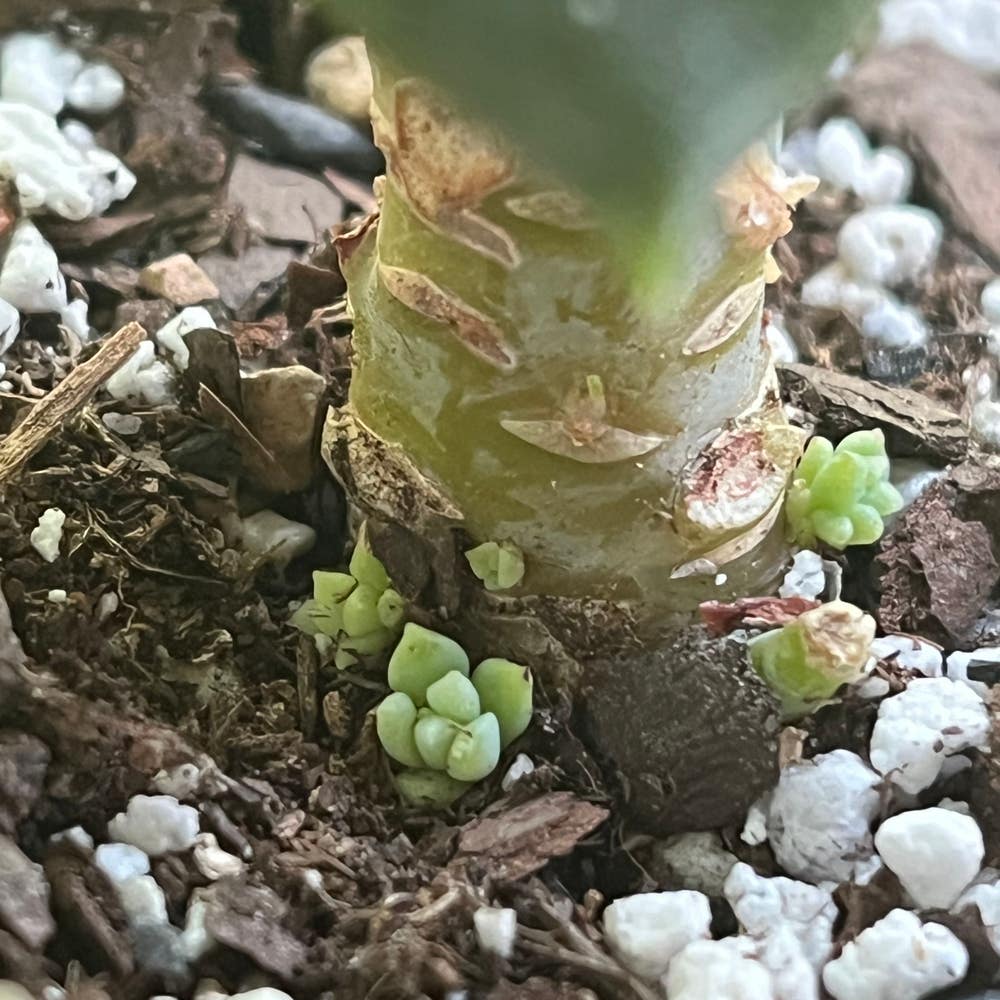
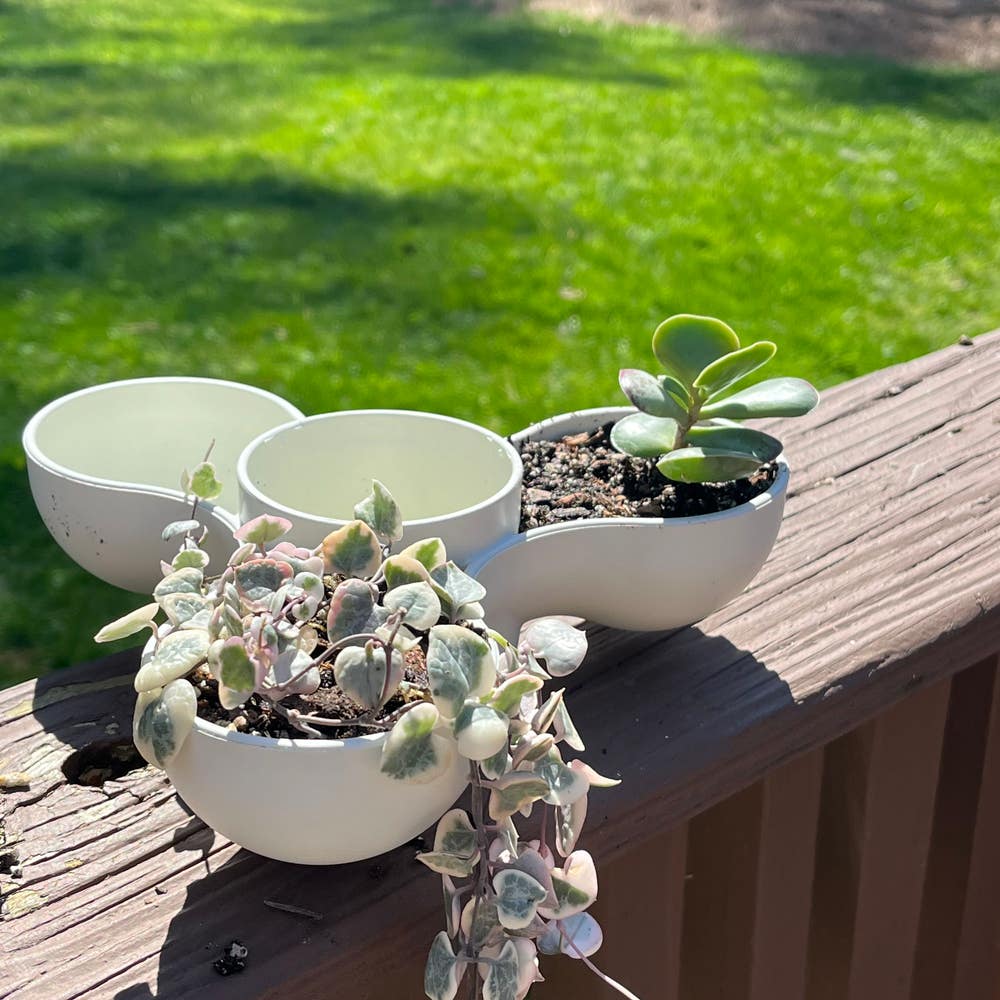
🍂 Best Tips for Dropping Leaves on Tiscalatengo Gorge Sedum
Sedum clavatum
By the Greg Editorial Team
Sep 30, 2024•6 min read
This article was created with the help of AI so we can cover more plants for you. May contain errors. See one? Report it here.
Master leaf drop prevention for your Tiscalatengo Gorge Sedum 🌱 and watch it thrive like never before! 🌿
- 🌡️💧 Environmental stressors like temperature and humidity cause leaf drop in Tiscalatengo Sedum.
- 🚫💦 Overwatering leads to root rot, while underwatering causes wilting and dry soil.
- 🌞🌱 Ensure 6+ hours of sunlight daily and use well-draining soil for healthy growth.
Causes of Leaf Drop
🌡️ Environmental Stress Factors
Temperature fluctuations, humidity levels, and light exposure are common stressors for Tiscalatengo Gorge Sedum. These environmental factors can lead to premature leaf drop, impacting the overall health of your plant.
💧 Overwatering and Root Rot
Overwatering can cause root rot, which manifests as yellowing leaves, mushy stems, and a foul odor from the soil. Ensuring well-drained soil is crucial for the plant's survival and vitality.
🚰 Underwatering and Drought Stress
Underwatering presents its own challenges, with signs including wilting leaves and a shriveled appearance. To maintain moisture without overwatering, aim for a consistent watering frequency that allows the soil to dry out between sessions.
🐛 Pest Infestations and Diseases
Pests like aphids, mealybugs, and spider mites can wreak havoc on your Sedum. Look for symptoms such as discolored leaves, webbing, and sticky residue to catch infestations early.
🌱 Nutrient Deficiencies
Key nutrients like nitrogen, phosphorus, and potassium are essential for healthy growth. Symptoms of deficiencies include stunted growth, yellowing leaves, and poor leaf retention, signaling the need for a nutrient boost.
Understanding these causes of leaf drop is vital for maintaining the health of your Tiscalatengo Gorge Sedum. By addressing these issues proactively, you can ensure your plant thrives and flourishes.
Diagnosing Leaf Drop Issues
🌊 Identifying Symptoms of Overwatering
Overwatering can wreak havoc on your Tiscalatengo Gorge Sedum. Look for yellowing leaves, soft stems, and even mold forming on the soil surface.
To confirm overwatering, perform a soil moisture test. Simply insert your finger into the soil or use a moisture meter to check for soggy conditions.
💧 Recognizing Signs of Underwatering
Underwatering presents its own set of challenges. Watch for wrinkled leaves, dry soil, and noticeable leaf drop.
For a quick assessment, check the soil depth. If it feels dry several inches down, your plant is likely thirsty.
🐛 Checking for Pests and Diseases
Pests and diseases can also contribute to leaf drop. Inspect the undersides of leaves and stems for common pests like aphids or spider mites.
Additionally, keep an eye out for disease symptoms such as discoloration, wilting, or unusual growth patterns that could indicate underlying issues.
🧪 Soil Testing for Nutrient Levels
Understanding nutrient availability is crucial for optimal growth. Soil testing helps identify deficiencies that may lead to leaf drop.
You can use home testing kits or opt for professional lab analysis to get a comprehensive view of your soil's nutrient levels. This step is essential for maintaining a healthy plant.
As you diagnose these leaf drop issues, remember that timely intervention can make all the difference. Next, we’ll explore preventive measures to keep your Sedum thriving.
Preventive Measures
Proper Watering Techniques 🌊
Watering your Tiscalatengo Gorge Sedum is all about balance. Aim to water deeply but infrequently, allowing the roots to stretch and grow strong.
To ensure you're on the right track, check that the soil dries out between waterings. This helps prevent both overwatering and underwatering, keeping your plant healthy.
Ideal Soil Composition 🏺
The right soil mix is crucial for your sedum's success. Use a well-draining blend that includes sand or perlite to promote airflow and drainage.
Additionally, maintaining a slightly acidic to neutral pH (between 6.0 and 7.0) is essential. This ensures that your plant can absorb nutrients effectively.
Optimal Sunlight Exposure ☀️
Your sedum thrives in bright conditions. Aim for full sun to partial shade, providing at least six hours of sunlight daily.
Insufficient light can lead to stretched growth and increased leaf drop. Keep an eye on your plant's positioning to ensure it gets the light it needs.
Seasonal Care Adjustments 🍂
Adjusting your care routine with the changing seasons is key. In summer, increase watering frequency to keep the soil moist, while in winter, reduce it to prevent root rot.
By tailoring your approach based on the season, you can help your sedum flourish year-round. This proactive care will set the stage for a vibrant, healthy plant.
Treatment Solutions
🌧️ How to Treat Overwatered Sedum
Overwatering can be detrimental to your Sedum. Start by assessing the situation: check for root rot and remove any affected roots to prevent further damage.
Next, adjust your watering schedule. Allow the soil to dry out completely before rewatering to ensure your plant has a chance to recover.
If the problem persists, consider repotting. Use fresh, well-draining soil to give your Sedum a healthy environment to thrive.
💧 Steps to Revive Underwatered Sedum
Reviving an underwatered Sedum is straightforward. Begin by soaking the soil thoroughly and allowing any excess water to drain away.
After watering, monitor the plant closely. Look for signs of improvement in leaf turgidity, indicating that your Sedum is on the mend.
🐞 Pest Control Methods
Pest infestations can wreak havoc on your Sedum. Consider organic pest control options like neem oil or insecticidal soap, which are effective and safe for your plants.
Additionally, introducing beneficial insects can help manage pests naturally. Regular monitoring is crucial; inspect your plants weekly for early signs of infestation to catch problems before they escalate.
🌱 Fertilization Tips for Healthy Growth
Fertilization plays a key role in maintaining healthy Sedum. A light feeding during the growing season—spring and summer—is recommended to support growth.
Opt for balanced, slow-release fertilizers that are suitable for succulents. This approach ensures your Sedum receives the nutrients it needs without the risk of over-fertilization.
With these treatment solutions, your Sedum can bounce back from various issues. Next, let’s explore long-term care strategies to keep your plant thriving year-round.
Long-term Care Strategies
Best Practices for Maintaining Leaf Health 🌿
Regular inspections are crucial for keeping your Tiscalatengo Gorge Sedum healthy. Check for pests, diseases, and nutrient deficiencies to catch issues early.
Proper pruning is another key practice. Remove dead or damaged leaves to encourage new growth and maintain the plant's overall vigor.
Seasonal Adjustments ❄️
Winter care requires a few adjustments. Reduce watering frequency and protect your sedum from frost to ensure it survives the colder months.
In summer, hydration becomes essential. Ensure your plant receives adequate moisture during the hot months to prevent stress and leaf drop.
Propagation Techniques 🌱
Propagation can be a rewarding way to expand your collection. Leaf cuttings and offsets are effective methods for growing new plants.
Timing is everything for successful propagation. Aim to propagate during the growing season for the best chance of success.
By following these long-term care strategies, you can enjoy a thriving Tiscalatengo Gorge Sedum that brings beauty to your space. Next, let’s explore treatment solutions for specific issues that may arise.
⚠️ Safety First
This content is for general information and may contain errors, omissions, or outdated details. It is not medical, veterinary advice, or an endorsement of therapeutic claims.
Always consult a qualified healthcare professional before using any plant as food, medicine, or supplement.
Never eat any plant (or feed one to pets) without confirming its identity with at least two trusted sources.
If you suspect poisoning, call Poison Control (800) 222-1222, the Pet Poison Helpline (800) 213-6680, or your local emergency service immediately.
Spotted an error? Please report it here.
Keep your Tiscalatengo Gorge Sedum leafy and lush 🌿 by balancing watering and sunlight, while Greg provides personalized care tips to ensure your plant thrives!