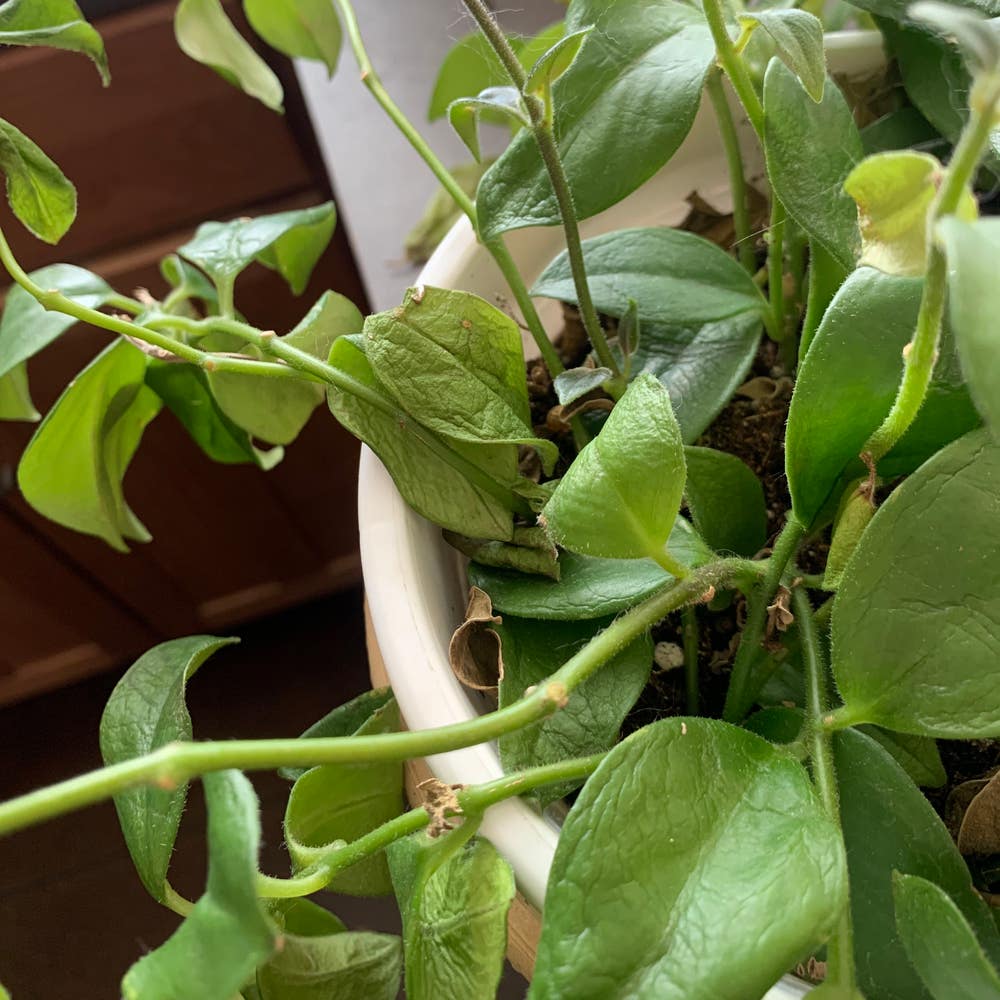
Propagating Mona Lisa Lipstick Plant: Step-by-Step Guide
Aeschynanthus radicans 'Mona Lisa'
By the Greg Editorial Team
Jun 18, 2024•6 min read
This article was created with the help of AI so we can cover more plants for you. May contain errors. See one? Report it here.
Propagate your own vibrant Mona Lisa Lipstick Plant 🌿 and watch your indoor garden flourish without spending a dime! 🌸
- Stem cuttings need healthy stems, perfect cuts, and well-draining soil.
- Air layering for larger specimens: wrap, root, and monitor humidity.
- Division multiplies plants: look for roots or a cracking pot, then divide and care.
Step-by-Step to Propagate with Stem Cuttings
🌱 Choosing Your Champion Stem
Healthy and pest-free stems are the gold standard for propagation. The ideal time for snipping is during the spring or early summer, when plants are in their growth spurt.
🛠️ Prepping Your Stem Cutting
Use sterilized scissors or pruners to make a clean cut just below a leaf node. Angle the cut to increase the surface area for rooting. Remove lower leaves to prevent rot, but keep a couple at the top for photosynthesis.
🌱 Planting Your Stem Cutting
Opt for a pot with well-draining soil. After planting, the roots will take their sweet time to develop. Expect to see some action in about 4 weeks or possibly longer, depending on conditions.

Air Layering: A Propagation Twist
🌱 Setting the Stage for Air Layering
Air layering is a ninja move in the plant propagation world, allowing you to start with a larger specimen than a mere cutting.
🌿 Identifying the Ideal Stem
The ideal stem for air layering is healthy and robust, with enough girth to stand alone once severed from the parent plant. Look for a stem with a diameter that suggests independence, and prepare a 2-4 inch section by stripping away the leaves.
🛠 Materials You'll Need
Gather your tools: a sharp knife, sphagnum moss, rooting hormone, clear plastic wrap, and something to tie it all up, like wire or twist ties. Soak your moss until it's thoroughly moist, akin to a well-wrung sponge.
🌱 The Air Layering Process
This is where the magic happens, transforming a mere branch into a self-sufficient entity.
🌱 Wrapping and Rooting
- Make a clean cut around the stem, and apply rooting hormone if desired.
- Wrap the moist sphagnum moss around the cut.
- Encase this in clear plastic wrap to create a cozy, humid microclimate.
- Secure the setup with ties, ensuring you're not squeezing the life out of the stem.
🕰 Monitoring Progress
Patience is your ally here. Watch for condensation inside the plastic, a telltale sign of proper humidity. Roots may take their sweet time, appearing in weeks or months. When you see a healthy cluster of white, firm roots, it's time to cut the cord.
🌱 Knowing When to Pot
Once the roots are visible and robust, carefully sever the new plant below the root mass. Pot it in fresh soil, water immediately, and introduce it to its new home. Keep the air around it fresh with good ventilation to prevent disease, and avoid the temptation to overwater. Your new plant is now ready to thrive on its own.

Division: Multiplying Your Plant Family
🌱 When and How to Divide
Roots peeking through drainage holes? Pot cracking under pressure? Time to divide. Your Mona Lisa Lipstick Plant is sending you a clear SOS. Before you play plant surgeon, water well—it's like giving your plant a comforting pat before the procedure.
🚀 Signs Your Plant Needs Dividing
- Roots Run Wild: Through the pot's drainage holes? It's division o'clock.
- Cracking Up: If the pot's splitting, so should your plant.
- Family Intervention: Spotting pups? Give them room to grow.
- Getting Lightheaded: Droopy or leggy? They're begging for a split.
🛠️ Techniques for a Smooth Division
- Choose a cheerful day—plants are less stressed in good weather.
- Water the plant a day before to ease the transition.
- With a sharp, clean tool, gently separate the plant into sections, ensuring each has roots and leaves.
- Replant promptly in fresh soil, at the same depth they were growing before.
🌱 Post-Division Care
Newly independent plants need TLC. Keep the soil moist but not soggy to encourage root growth. Bright, indirect light is their new bestie. Watch for new leaves—they're the first high-five from your plant.
🚰 Ensuring a Strong Start
- Water wisely: Filtered or rainwater is like premium fuel for your plants.
- Soil check: Keep it cozy, moist, but never waterlogged.
🌿 The First Few Weeks
- New Growth: It's the green flag of success.
- Monitor Moisture: Overwatering is the fast track to root rot city.
- Bright Spot: Find that sweet spot of bright, indirect light.
Remember, it's not just about keeping your plants alive—it's about letting them thrive. Give them the space to strut their stuff, and they'll reward you with a spectacle of vibrant foliage.

Aftercare for Your Propagated Plants
🌱 The First Few Months
Navigating the initial months of your propagated plant's life is like adjusting the settings on a new smartphone; it's all about finding the sweet spot. Bright indirect light is your go-to, steering clear of the intense midday sun that can scorch your plant's tender leaves. Watering is a game of precision—aim for moist soil that's never waterlogged. Think of it as the difference between a sponge that's damp to the touch and one that's dripping wet.
💧 Humidity & Temperature
Keep the humidity on the higher side, but don't turn your plant's environment into a tropical rainforest. Consistent temperatures without drafts are the backdrop for a happy plant. Remember, your propagated cuttings are like delicate pastries fresh out of the oven—they need to be handled with care.
🌿 Transitioning to a Permanent Home: Repotting Tips
When it's time to repot, choose a container that allows for growth but isn't so large that your plant feels lost at sea. The potting mix should be well-draining—think of it as a colander, not a bowl. Water the plant more frequently during the first few weeks post-repot to ease the transition, but resist the temptation to fertilize. Your plant's roots are tender and acclimating; they don't need the extra push just yet.
🚨 Troubleshooting Propagation Pitfalls
Common Issues & Solutions
Yellowing leaves? Could be overwatering. Wilting? Your plant might be thirsty or too hot. Adjust your care routine based on these cues. Sterilize your tools before cutting to prevent disease, and keep those leaves dry to sidestep fungal nightmares.
🆘 When to Seek Help
If your plant's growth is stunted or it's shedding leaves like a dog in summer, it might be time to seek advice. Don't hesitate to reach out to plant communities or a trusted nursery for help. Remember, even the most seasoned plant parents need a lifeline now and then.
⚠️ Safety First
This content is for general information and may contain errors, omissions, or outdated details. It is not medical, veterinary advice, or an endorsement of therapeutic claims.
Always consult a qualified healthcare professional before using any plant as food, medicine, or supplement.
Never eat any plant (or feed one to pets) without confirming its identity with at least two trusted sources.
If you suspect poisoning, call Poison Control (800) 222-1222, the Pet Poison Helpline (800) 213-6680, or your local emergency service immediately.
Spotted an error? Please report it here.
Turn your Mona Lisa Lipstick Plant into a flourishing family by mastering propagation techniques from our guide, and let Greg keep them thriving 🌿 with custom care plans and a supportive plant community.