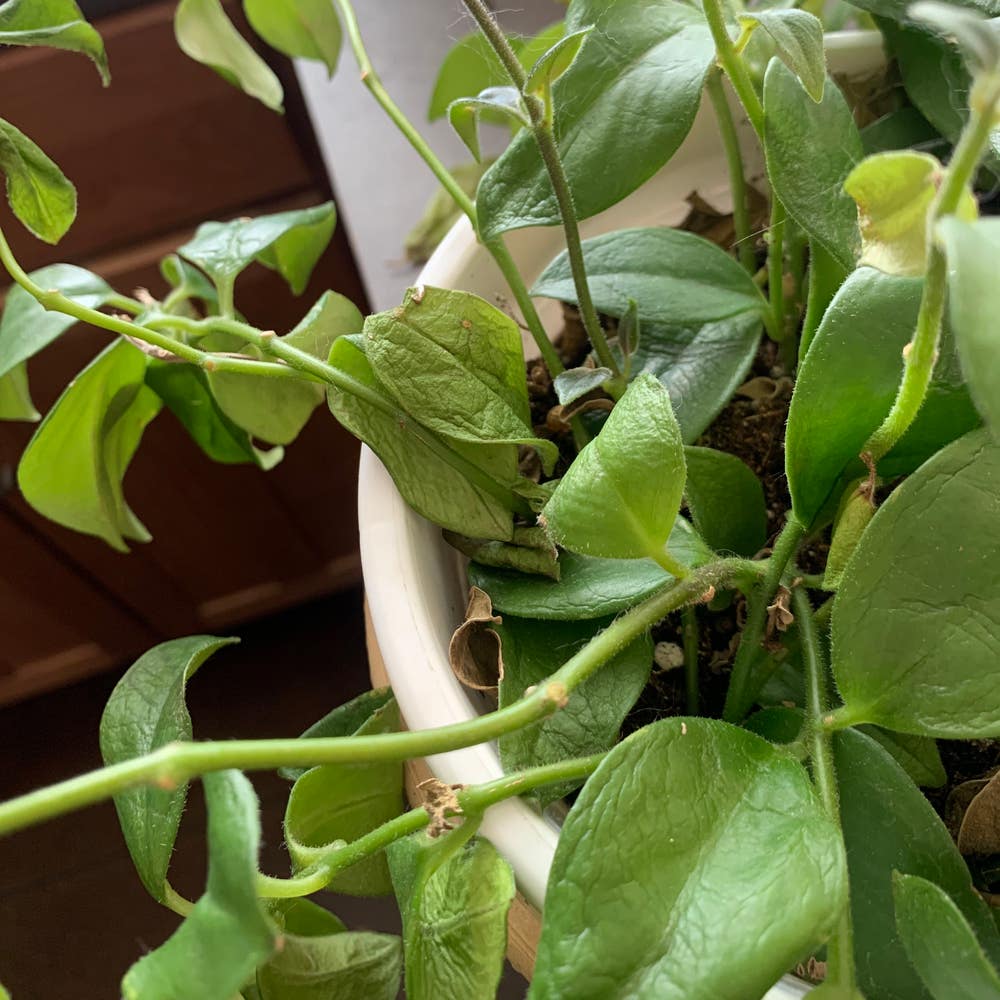
How to Get a Mona Lisa Lipstick Plant to Bloom
Aeschynanthus radicans 'Mona Lisa'
By the Greg Editorial Team
Jun 18, 2024•4 min read
This article was created with the help of AI so we can cover more plants for you. May contain errors. See one? Report it here.
Unlock vibrant blooms 🌺 on your Lipstick Plant with these expert tips for the perfect flower show!
- 🌞 Bright, indirect light and 65° to 80°F ensure optimal blooming.
- 💧 Water when topsoil's dry; morning watering with filtered/rainwater is best.
- ✂️ Prune and use phosphorus-rich fertilizer to direct energy to flowering.
Creating the Perfect Blooming Environment
🌼 Right Light, Right Blooms
Bright, indirect light is the sweet spot for triggering Mona Lisa Lipstick Plant blooms. Too much direct sunlight can scorch leaves, while too little leaves flowers unrealized. Position your plant in a spot that mimics its natural, dappled-light habitat, like near a north or east-facing window.
Rotate your plant regularly to ensure all sides receive equal light, promoting uniform growth and blooming. If natural light is lacking, consider grow lights placed 6-12 inches away to supplement without overwhelming your plant.
🌡️ Temperature and Humidity: The Bloom Thermostat
The ideal temperature range for flowering is a cozy 65° to 80°F (18° - 27°C). Slight cooler temperatures at night can encourage bud formation, so aim for a 10-15 degree drop. Avoid placing your plant in drafty areas or near heating and cooling vents, as stability is key.
Humidity is crucial, too. Aim for a comfortable 40-50% humidity level. If your air is Sahara-like, use a humidifier or a pebble tray to up the moisture. Consistency in temperature and humidity is like a steady drumbeat, essential for the rhythm of blooming.

Feeding Your Plant for Fabulous Flowers
💐 The Role of Fertilizers in Flowering
Phosphorus is your plant's best friend when it comes to flowering. Look for a fertilizer where the middle number in the N-P-K ratio is higher than the others. This isn't about lush foliage; it's about those show-stopping blooms. Stick to a balanced diet for your plant, and avoid the temptation to overfeed—it's a fine line between abundant blooms and a jungle of leaves.
Fertilize after pruning, aligning with the plant's growth cycle. Late winter or early spring is your cue. This timing ensures your plant gets the nutrients when it's most receptive. Remember, moderation is key—overfeeding can make your plant too sluggish for flower production.
✂️ Pruning: More Than Just a Trim
Pruning isn't just about keeping your plant tidy; it's strategic. By cutting back excess foliage, you're directing your plant's energy towards flowering. Think of it as energy management—you want the plant to invest in blooms, not just leaves.
Keep those shears handy and focus on new growth, which is where the blooming magic happens. It's a balancing act: too much growth can sap energy away from flower production. Prune wisely, and you'll set the stage for a floral spectacle.

Watering Wisdom for Winning Blooms
💧 Moisture Mastery for Maximum Blooms
Watering your Mona Lisa Lipstick Plant isn't just about sticking to a schedule; it's about syncing with its life cycle. During the blooming phase, keep the soil evenly moist without turning it into a swamp.
- Check the topsoil – if it's dry to the touch, it's time for a drink. This isn't just about hydration; it's about making sure your plant can take up nutrients effectively.
🚰 Signs Your Plant is Thirsty (or Drowning)
Your plant will drop some hints if you're missing the mark on watering. Yellow leaves? You might be overdoing it. Wilting? It's parched and pleading for a sip.
- Morning is key – water early to reduce evaporation and set your plant up for a day of photosynthesizing glory.
- Quality counts – if your tap is more mineral than moisture, switch to filtered or rainwater to avoid leaf browning.
Remember, your plant's not just growing; it's living. Water wisely, and watch those blooms flourish.

Blooming Troubles and Triumphs
🌸 Bud Drop and Flower Fails: What's Going Wrong?
Bud drop can turn the dream of vibrant blooms into a floral fiasco. It's often a sign of watering woes or a climate conundrum. Keep soil moisture consistent; your plant craves stability like a late-night snack. Sudden temperature or light shifts? They're the equivalent of a cold shower for your blossoms. Keep conditions steady to avoid bloom shock.
🐛 Pests and Diseases: Keeping Your Blooms Safe
Pests are the ultimate bloom bullies. Aphids, spider mites, and mealybugs are like unwanted party guests, hogging the resources meant for your flowers. Regular plant check-ups and prompt pest eviction notices are key. Diseases, on the other hand, are stealthy saboteurs. Fungicides or insecticides can be allies in this covert war, but prevention is the true hero. Keep an eye out for the first signs of trouble—spotted leaves or wilting—and act swiftly to keep your blooms on track.
⚠️ Safety First
This content is for general information and may contain errors, omissions, or outdated details. It is not medical, veterinary advice, or an endorsement of therapeutic claims.
Always consult a qualified healthcare professional before using any plant as food, medicine, or supplement.
Never eat any plant (or feed one to pets) without confirming its identity with at least two trusted sources.
If you suspect poisoning, call Poison Control (800) 222-1222, the Pet Poison Helpline (800) 213-6680, or your local emergency service immediately.
Spotted an error? Please report it here.
Let Greg be your plant's bloom buddy by setting up custom care reminders 🌺 for the perfect light, water, and nutrients, ensuring your Mona Lisa Lipstick Plant thrives in your unique space.