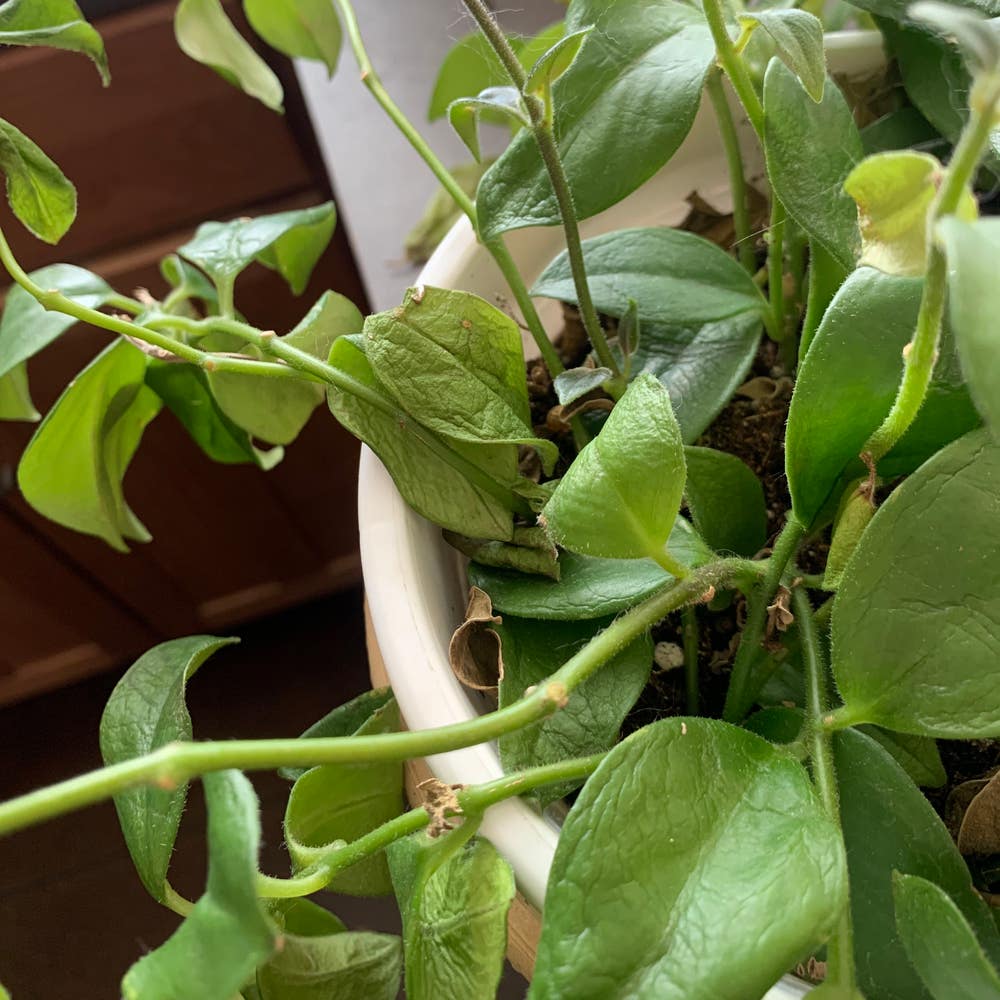
What Are The Bugs on My Mona Lisa Lipstick Plant? 🐛
Aeschynanthus radicans 'Mona Lisa'
By the Greg Editorial Team
Jun 18, 2024•3 min read
This article was created with the help of AI so we can cover more plants for you. May contain errors. See one? Report it here.
Eradicate bugs on your Lipstick Plant and ensure its vibrant health with expert tips! 🌿🔍
- Identify pests by webbing, waxy bumps, cottony residue, or flies around soil.
- Combat bugs with neem oil, alcohol rubs, and drying out soil.
- Prevent infestations with regular checks, proper humidity, and encouraging predators.
Spot the Invaders: Identifying Common Pests
🕷️ Spider Mites
Webbing on your plant's leaves isn't a new interior design trend—it's a distress signal. Spider mites are the culprits, leaving behind their silk-like threads and speckled, damaged leaves. They're tiny, but their impact is not.
🐞 Scale Insects
If you spot waxy bumps on stems and leaves, you've got scale insects squatting on your plant. These freeloaders are tough to evict, often blending in with the plant's own coloration. A sticky residue, known as honeydew, is another red flag.
🦟 Fungus Gnats and Fruit Flies
A cloud of tiny flies around your plant's soil is more than just annoying—it's a sign of fungus gnats or fruit flies. These pests love moist soil and can be spotted by their irritating presence above the soil or their larvae below.
🐛 Mealybugs
The presence of a cottony residue on your plant is a telltale sign of mealybugs. These fluffy white destroyers are feasting on your plant's sap, leaving behind a mess and potentially harming your plant's health.

Battle Tactics: Effective Remedies for Each Pest
🕷️ Spider Mites
Neem oil and increased humidity are your first line of defense against spider mites. Spritz affected areas with a neem oil mixture, ensuring thorough coverage. Boosting the humidity can also create an inhospitable environment for these pests.
🦠 Scale Insects
Manual removal of scale insects can be oddly satisfying; think of it as peeling away your plant's problems. For those stubborn scales, dabbing them with alcohol on a cotton swab works wonders. If you're up for a mixology challenge, concoct a soap and oil spray to cover larger infestations.
🦟 Fungus Gnats and Fruit Flies
Sticky traps are like fly hotels with a one-way ticket. Place them around the plant to catch adults. Letting the soil dry out between waterings can evict larvae from their cozy soil beds. For an underground assault, beneficial nematodes are the unseen heroes.
🐞 Mealybugs
Alcohol is not just for happy hour; it's a mealybug's worst nightmare when applied directly with a Q-tip. If you prefer a spray-and-pray method, mix up a soapy water or neem oil solution. Remember, persistence is key—apply with the determination of a plant parent in a pest war.

Fortify Your Plant: Preventative Measures
🛡️ General Prevention Tips
Regular vigilance is your plant's bodyguard. It's simple: check your Mona Lisa Lipstick Plant often, and if you spot any freeloaders, isolate the plant faster than a celebrity dodges paparazzi. This keeps the rest of your green gang safe.
💡 Environmental Controls
Humidity and watering are like the thermostat of plant health—get it right, and pests won't want to crash your plant's party. Ensure the soil is as well-drained as a detective's whiskey glass after a long day, and keep the air flowing around your plant like it's auditioning for a wind machine.
👩🌾 Natural Defenses
Encouraging predators is like hiring a hitman for pests. Ladybugs and lacewings are your go-to assassins. Companion planting? That's your plant's wingman, deterring pests while looking good. Think of it as nature's own pesticide, minus the toxic relationship.

⚠️ Safety First
This content is for general information and may contain errors, omissions, or outdated details. It is not medical, veterinary advice, or an endorsement of therapeutic claims.
Always consult a qualified healthcare professional before using any plant as food, medicine, or supplement.
Never eat any plant (or feed one to pets) without confirming its identity with at least two trusted sources.
If you suspect poisoning, call Poison Control (800) 222-1222, the Pet Poison Helpline (800) 213-6680, or your local emergency service immediately.
Spotted an error? Please report it here.
Banish bugs from your Mona Lisa Lipstick Plant with Greg's personalized care reminders 🌿, ensuring a pest-free paradise through vigilant plant care and community wisdom!