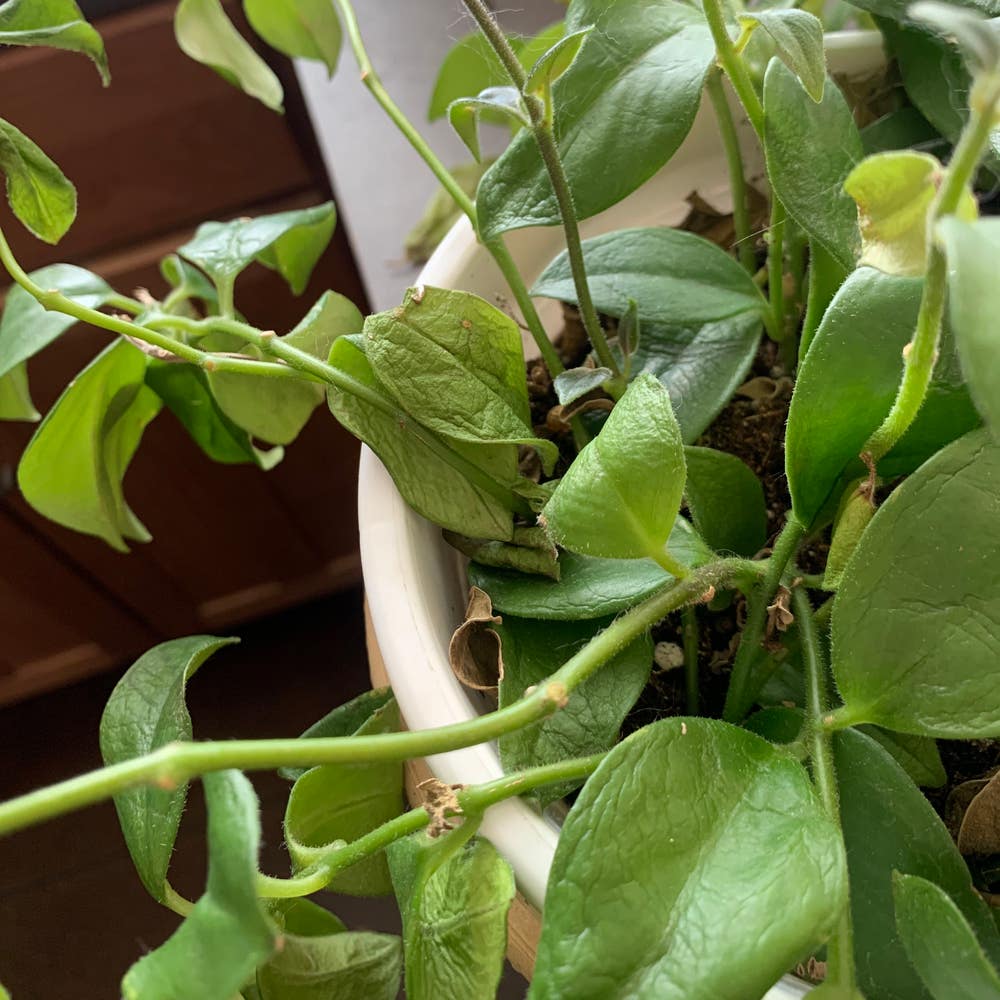
🌞 My Mona Lisa Lipstick Plant's Light Requirements
Aeschynanthus radicans 'Mona Lisa'
By the Greg Editorial Team
Jun 18, 2024•4 min read
This article was created with the help of AI so we can cover more plants for you. May contain errors. See one? Report it here.
Nurture stunning blooms on your Mona Lisa Lipstick Plant with our ultimate light guide. 🌺🔦
- Bright, indirect sunlight indoors promotes growth and blooming.
- Outdoor placement needs strategic shading to prevent damage.
- Grow lights supplement when natural light isn't enough.
Best Spots for Your Indoor Mona Lisa
🌞 Finding the Perfect Indoor Spot
Bright, indirect sunlight is the sweet spot for your Mona Lisa Lipstick Plant. Scout locations near windows that bathe the room in light, but where rays don't directly hit the plant.
Shield your Mona Lisa from the sun's harsh midday performance. Use sheer curtains or position the plant so it enjoys the gentler morning light.
🌅 Let There Be Light... But Not Too Much
Balance is key. Too much shade, and your plant might as well be in witness protection—too much sun, and it's a leafy lobster. Aim for a spot that's just right.
Bright light can be the secret sauce for those coveted blooms. Monitor your plant for signs of happiness: new growth and budding flowers are like a thumbs-up from your Mona Lisa.

Thriving Outdoors: Sun or Shade?
🏡 Picking the Right Outdoor Location
Finding the ideal spot for your Mona Lisa Lipstick Plant outdoors is like playing real estate agent for your green friend. It's all about location, location, location. Bright, indirect light is the Mona Lisa's jam. Think of it as the plant's non-negotiable for its outdoor summer home.
To prevent a crispy plant situation, strategic shading during the peak sun hours is crucial. A spot under a tree with dappled sunlight, or behind a sheer curtain on a patio, can be the perfect compromise. It's like giving your plant a pair of stylish sunglasses for the midday glare.
🌿 Transitioning to the Great Outdoors
Before moving your plant outside, it's important to acclimate it gradually. Start by placing it in a shaded area and slowly increase its exposure to the outdoor environment over a week or two. This prevents the botanical equivalent of shock, which nobody wants.
Remember, as the seasons shift, so does the sun's intensity. Keep an eye out for signs of stress, like leaves that look like they've had too much fun in the sun. Adjust the plant's location accordingly to maintain that sweet spot of light without the burn.

Supplementing with Grow Lights: A Bright Idea?
💡 When Natural Light Just Isn't Enough
If your Mona Lisa Lipstick Plant is giving you the side-eye from its dim corner, it might be grow light time. These artificial sun gods can be a game-changer, especially during those months when the actual sun seems to be on a sabbatical.
Choose wisely; not all grow lights are created equal. Full-spectrum bulbs are your best bet, offering a buffet of wavelengths that mimic the sun's natural output. Think of them as a multivitamin for your plant—providing a little bit of everything it needs.
💡 Grow Light Schedules
Consistency is key. Plants love routine, so hooking up your grow light to a timer will keep both you and your plant from losing track of day and night. Aim for 12 to 14 hours of light, which is like a typical day in the sun without the risk of a sunburn.
💡 Light-Related Troubleshooting
Keep a vigilant eye on your green friend. If it starts looking like it's planning an escape to a brighter place, it's time to adjust the light setup. Too much light and you'll have a crispy critter; too little and it's like you're not even trying. The Goldilocks zone is about a foot above your plant—close enough to bask in the glow, but far enough to avoid a tan.
Remember, grow lights are like a plant's personal spotlight—there to illuminate, not overwhelm. If your Mona Lisa starts belting out a chorus of new growth, you've hit the sweet spot. If not, it's time to tweak the lighting levels or duration. Keep it real, keep it bright, and watch your plant thrive.

⚠️ Safety First
This content is for general information and may contain errors, omissions, or outdated details. It is not medical, veterinary advice, or an endorsement of therapeutic claims.
Always consult a qualified healthcare professional before using any plant as food, medicine, or supplement.
Never eat any plant (or feed one to pets) without confirming its identity with at least two trusted sources.
If you suspect poisoning, call Poison Control (800) 222-1222, the Pet Poison Helpline (800) 213-6680, or your local emergency service immediately.
Spotted an error? Please report it here.
Find the sweet spot ☀️ for your Mona Lisa Lipstick Plant with Greg's personalized reminders to adjust light as seasons shift, ensuring your plant always has its ideal shine.