Black Spots on My Mona Lisa Lipstick Plant Leaves
Aeschynanthus radicans 'Mona Lisa'
By the Greg Editorial Team
Jun 18, 2024•5 min read
This article was created with the help of AI so we can cover more plants for you. May contain errors. See one? Report it here.
Banish black spots 🕵️♂️ and keep your Lipstick Plant's leaves pristine with our expert care guide.
- Black spots may signal disease, like fungal or bacterial infections.
- Early detection and treatment are key to managing black spots.
- Prevent with dry leaves, airflow, and clean gardening practices.
Spotting the Culprit: Identifying Black Spots
🕵️♂️ What Black Spots Look Like
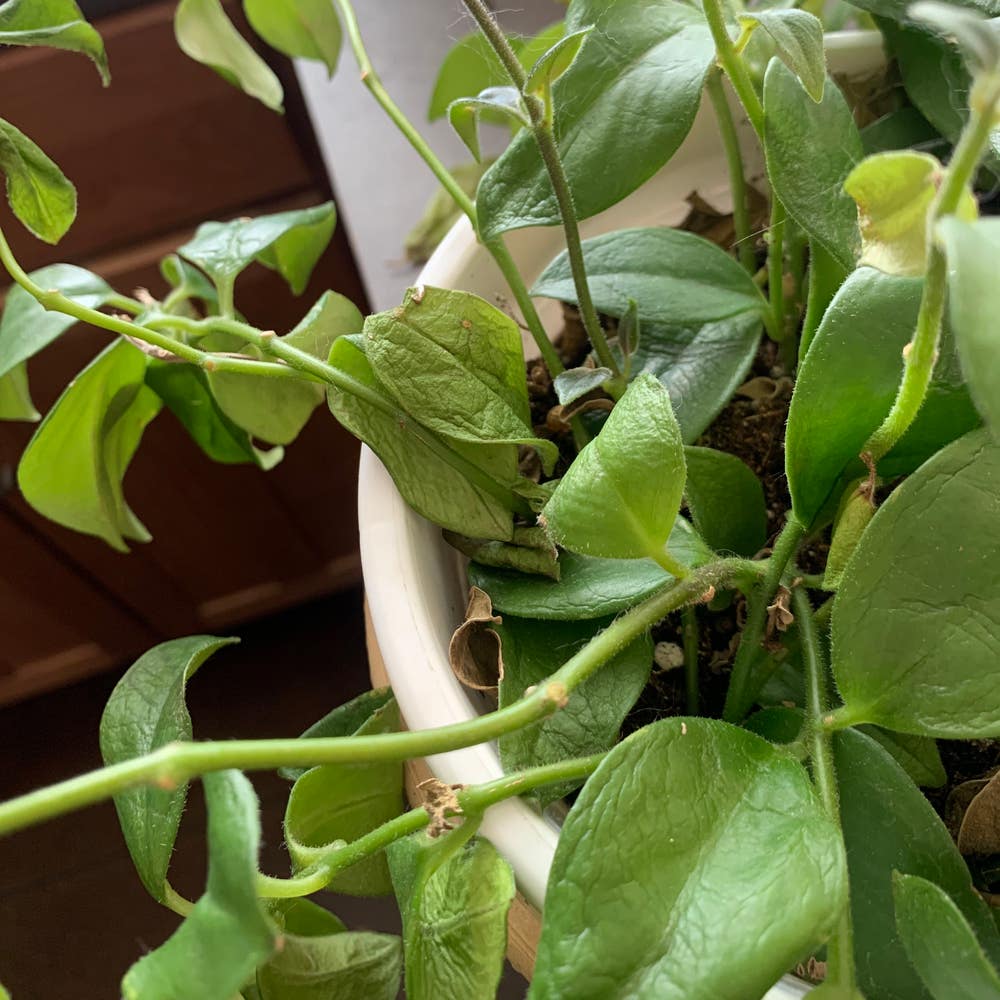
Black spots on your Mona Lisa Lipstick Plant are dark blemishes that can be less than ⅛ inch across. They're the plant equivalent of a bad skin day, showing up as tiny specks or growing into larger blotches that can't be hidden with a bit of concealer. Yellowing leaves often accompany these spots, signaling that your plant's health is more than skin deep.
🕵️♂️ Where to Find Them
Check both sides of the leaves, especially the undersides, which can be a secret hideout for these unwanted guests. Whether they're crashing the party on the new growth or taking over the senior leaves, location matters. It's like the difference between a scratch on your phone's screen and one on the camera lens; both are annoying, but one affects functionality more than the other.
🕵️♂️ Early Detection
Catching black spots early is crucial, akin to spotting a typo in an important email before hitting send. Regular leaf check-ups are your plant's health screenings. Visual inspection is key; if you see spots with dark margins or concentric rings, it's time to act. It's not just about aesthetics; it's about preventing a full-on invasion.
🕵️♂️ Mistaken Identities
Not every spot is a harbinger of doom. Natural variegation can mimic black spots, but true black spots look out of place, like a coffee stain on a white shirt. They're typically small, dark, and may appear as tiny specks. If you're unsure, a magnifying glass and a bit of sleuthing can help differentiate the harmless from the harmful.

The Usual Suspects: Causes of Black Spots
🍄 Fungal Foes: Recognizing Signs of Fungal Diseases
Fungal infections are the plant equivalent of a cold that just won't quit. Leaf spot and anthracnose are the usual suspects, leaving behind their calling cards in the form of fuzzy spots or concentric rings. These aren't just random patterns; they're a distress signal from your Mona Lisa Lipstick Plant.
- Common Culprits: Leaf spot and anthracnose love to crash the party.
- Spotting the Signs: Look for fuzzy spots and those telltale concentric rings.
🦠 Bacterial Baddies: Understanding Bacterial Leaf Spot
Bacterial leaf spot is like that uninvited guest who slips in and makes itself at home. Water-soaked lesions and angular spots are the hallmarks of bacterial trouble. These invaders exploit plant stress, turning tiny wounds into gateways for infection.
- Water-Soaked Lesions: Angular spots that look like they've had a bad day.
- Plant Stress: Bacteria capitalize on it, making a bad situation worse.
Keep an eye out for the early signs of these pathogens. Quick identification can mean the difference between a minor hiccup and a full-blown plant health crisis.

Battling Black Spots: Treatment Strategies
🌑 Fungus Among Us: Choosing the Right Antifungal Warriors
Antifungal treatments are essential in combating black spots caused by fungal issues. It's critical to select the right product for the job. Protectant fungicides act as a barrier and must be applied before the fungus settles in. Systemic fungicides, like tebuconazole and triticonazole, work from within the plant to stop the spread. Always apply fungicides with care, following the label to the letter, and rotate them to avoid resistance.
💨 Airflow and Dry Leaves: Your First Line of Defense
Improving air circulation is a non-negotiable step in treating and preventing black spots. Ensure your Mona Lisa Lipstick Plant is in a well-ventilated area to keep the leaves dry and reduce fungal attraction. Prune any affected leaves with sterilized tools to prevent further infection.
🦠 Bacteria Be Gone: Stopping Bacterial Infections in Their Tracks
For bacterial black spots, copper-based fungicides can be effective. Products like copper sulfate are designed to contain the spread. However, they're not a silver bullet. In severe cases, antibiotics such as streptomycin may be necessary, but use them sparingly to avoid resistance.
✂️ Clean Cuts: Removing Infected Material to Halt the Spread
When pruning, make sure to remove infected leaves immediately and dispose of them properly—don't compost, as this could spread the disease. Clean your tools after every cut to prevent cross-contamination. Remember, keeping your plant's environment clean is as crucial as the treatment itself.

Fortifying Your Plant: Prevention Tactics
💧 Water Wisely: Techniques to Keep Leaves Dry and Healthy
Watering is a balancing act. Too little and your plant thirsts, too much and you invite trouble. Early morning watering is the golden hour, allowing leaves to dry under the day's light. Ensure the soil is moist, not a swamp, to keep roots happy and rot at bay.
🌬 Circulate and Ventilate: Ensuring Your Plant Breathes Easy
Good air circulation is like a breath of fresh air for your plants. It's a preventative measure against the stagnation that diseases love. Place your plant where the air can whisper to it, but not howl. No drafts, just a gentle flow to keep those leaves breathing easy.
🧼 Sanitation Station: Keeping Your Garden Tools and Space Disease-Free
Cleanliness is next to plant godliness. Fallen leaves? Remove them. It's not just tidying up; it's breaking the cycle of potential disease. Keep your tools as clean as a whistle; think of them as surgical instruments for your green patients. It's all about preventing problems before they start.
⚠️ Safety First
This content is for general information and may contain errors, omissions, or outdated details. It is not medical, veterinary advice, or an endorsement of therapeutic claims.
Always consult a qualified healthcare professional before using any plant as food, medicine, or supplement.
Never eat any plant (or feed one to pets) without confirming its identity with at least two trusted sources.
If you suspect poisoning, call Poison Control (800) 222-1222, the Pet Poison Helpline (800) 213-6680, or your local emergency service immediately.
Spotted an error? Please report it here.
Banish black spots 🕵️♂️ on your Mona Lisa Lipstick Plant by using Greg to remind you when to water and how to maintain perfect humidity, ensuring your plant stays as vibrant as its namesake.