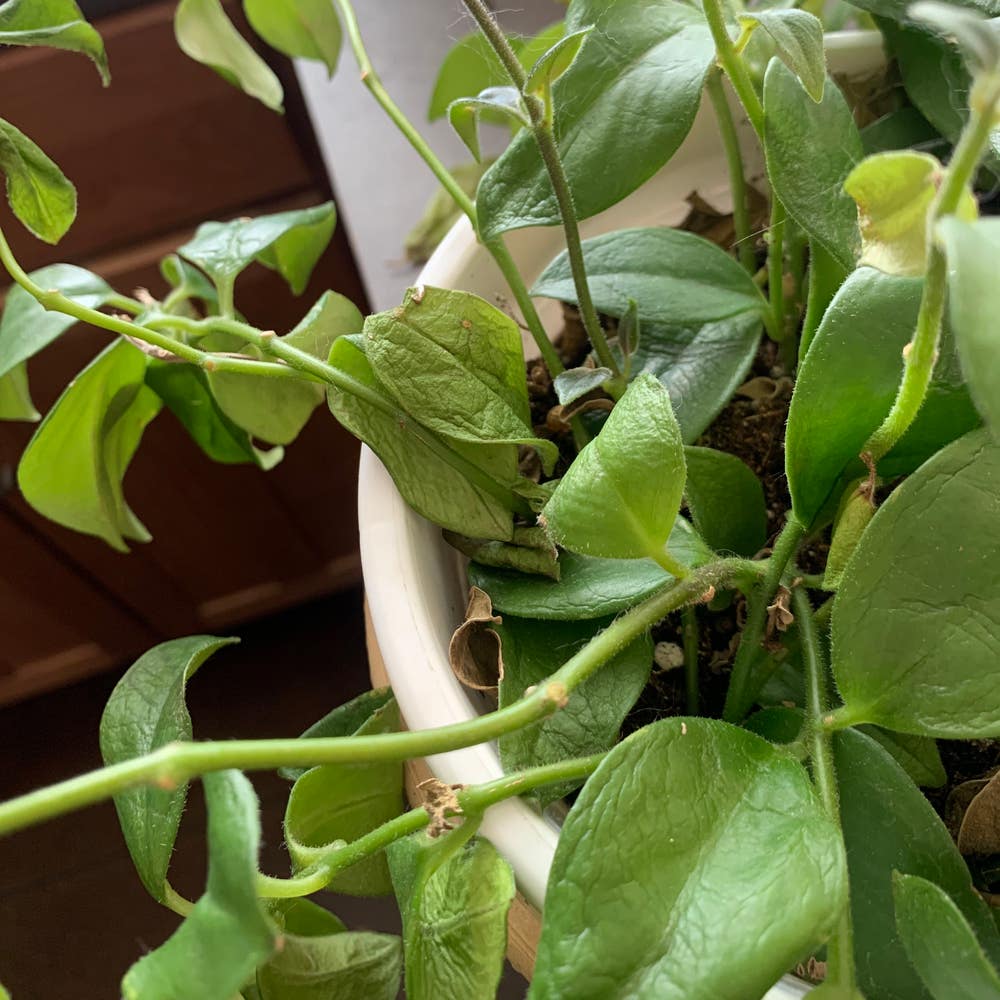
How Do I Cure Mona Lisa Lipstick Plant Root Rot?
Aeschynanthus radicans 'Mona Lisa'
By the Greg Editorial Team
Jun 18, 2024•4 min read
This article was created with the help of AI so we can cover more plants for you. May contain errors. See one? Report it here.
Rescue your Lipstick Plant 🌿 from root rot's fatal clutches with life-saving care tips!
- Yellow leaves and wilting signal root rot; inspect roots promptly.
- Remove and repot with well-draining soil to treat root rot.
- Water wisely and monitor to prevent future root rot and ensure plant health.
Spotting the Red Flags: Symptoms of Root Rot
🚩 Visual Symptoms
Yellowing leaves and wilting are the plant's distress signals. They're not just going through a phase; they're crying out for help. Don't ignore these signs; they're the first indicators that your Mona Lisa Lipstick Plant might be suffering from root rot.
🕵️♂️ Root Inspection
To confirm your suspicions, get your hands dirty. Gently remove your plant from its pot and take a look at the roots. Healthy roots are firm and white, but if they're brown, mushy, or smell like a swamp, it's time to take action.
🚨 Consequences for Your Plant
Left unchecked, root rot can be a death sentence for your plant. It's not just about unsightly leaves; the disease can quickly compromise the entire root system, leading to a total plant collapse.

The Rescue Mission: Treating Root Rot
🌱 Initial Steps
First things first, remove your Mona Lisa Lipstick Plant from its pot with a sense of purpose. Shake off the excess soil gently, like you're sifting for gold, but in this case, you're hunting for healthy, white roots.
🏥 Surgical Precision
Next up, it's time for a little plant surgery. Sterilize your scissors or pruning shears—think surgeon scrubbing in. Snip away the mushy, discolored roots with the precision of a bonsai master. This isn't a trim; it's a life-saving operation.
🌿 Repotting for Recovery
Finally, give your plant a new lease on life. Choose a pot that's got more holes than a detective's alibi and fill it with well-draining soil that's as fresh as a new start. Repot your plant, water it with the restraint of a cactus owner, and you've just turned the tables on root rot.

Water Wisely: Preventing Future Root Rot
💧 Perfecting Your Watering Technique
Watering isn't guesswork; it's strategy. Balance is key: too much, and you're drowning the roots; too little, and your plant is parched. Use a soil probe or your finger to test moisture—aim for damp, not soggy.
🌦 Seasonal Adjustments
Your plant's thirst changes with the seasons. Reduce watering in winter when growth slows, and increase in summer when the heat cranks up. It's not just about quantity, but timing.
🌱 Reading the Soil's Signals
Embrace the "soak and dry" method. Water thoroughly, then let the soil nearly dry out before the next round. This mimics natural rainfall, giving roots the breather they need.
The Right Home for Your Plant
🏡 Pot and Soil Strategy
Choose a pot with drainage holes—non-negotiable. It's like an escape route for excess water. Pair with a well-draining soil mix; think peat, perlite, and vermiculite. It's the trifecta for dry roots.
🌍 Environmental Control
Humidity is a root rot accomplice. Strike a balance in your home's moisture levels—consider a dehumidifier if you're living in a steam room. And if you love watering, learn to love restraint even more.

Keeping Vigilant: Ongoing Care and Monitoring
🕵️ Regular Check-ups
To maintain your Mona Lisa Lipstick Plant's health, regular inspections are crucial. Look for signs of distress such as wilting, discoloration, or unusual leaf behavior. These check-ups are your plant's equivalent of a routine health screening, and they're vital for catching issues early.
🌬️ Adjusting Care with the Seasons
Your plant care should adapt with the seasons. During winter, reduce watering and skip fertilization, while summer may require increased hydration. Monitor the light and temperature to ensure a stable environment for your plant. Setting reminders can help you stay on track with these seasonal adjustments.
📊 Monitoring and Assessment
Keep a log of your plant's condition and any changes in your care routine. This record-keeping is a strategic tool to identify what's working and what isn't, allowing for precise adjustments to your care approach.
🐜 Pest Control and Soil Health
Regularly inspect for pests and intervene promptly if needed. Also, check the soil and drainage to ensure your plant's home is as healthy as it is. Adjustments to watering and light exposure should be made based on your ongoing observations and the feedback your plant provides through its appearance.
🛠 Proactive Adjustments
Stay proactive with your care routine. If you notice any changes in leaf color or growth rate, it's time to tweak your approach. Rotate the plant for even growth and adjust watering according to the temperature—less in winter, more in summer. Remember, vigilance is key to preventing issues before they arise.
⚠️ Safety First
This content is for general information and may contain errors, omissions, or outdated details. It is not medical, veterinary advice, or an endorsement of therapeutic claims.
Always consult a qualified healthcare professional before using any plant as food, medicine, or supplement.
Never eat any plant (or feed one to pets) without confirming its identity with at least two trusted sources.
If you suspect poisoning, call Poison Control (800) 222-1222, the Pet Poison Helpline (800) 213-6680, or your local emergency service immediately.
Spotted an error? Please report it here.
Prevent Mona Lisa Lipstick Plant root rot ⚠️ by letting Greg remind you when to water and how to adjust care seasonally for a thriving, healthy plant!