What Temperature Does My Mona Lisa Lipstick Plant Need?
Aeschynanthus radicans 'Mona Lisa'
By the Greg Editorial Team
Jun 18, 2024•2 min read
This article was created with the help of AI so we can cover more plants for you. May contain errors. See one? Report it here.
Discover the ideal 75-85°F range that guarantees your Lipstick Plant's vibrant health and blooms! 🌡️🌺
- Ideal range 75-85°F (24-29°C) for thriving Mona Lisa Lipstick Plants.
- 🌡️ Avoid below 50°F to prevent tissue damage and leaf drop.
- Consistent temps for blooms; fluctuations can hinder flowering.
The Sweet Spot: Ideal Temperature Range for Mona Lisa Lipstick Plant
♨️ What's the magic number?
Mona Lisa Lipstick Plants bask in warmth. They thrive best between 75-85°F (24-29°C). Growth may slow if the mercury dips to 60°F, and anything below 50°F is a no-go zone, risking tissue damage and leaf drop.
Keeping it cozy
To maintain these tropical temps, avoid drafts and sudden temperature changes. Keep your plant away from air conditioners and heaters, as these can create unwelcome microclimates. Instead, use a digital thermometer to monitor the area around your plant—precision is key. If you're in a colder climate, consider an oil heater to gently warm the room, but don't let it turn into a plant sauna. Remember, consistency is the guardian of your plant's comfort.

When Things Heat Up: Recognizing Temperature Stress
🌡️ Spotting the signs
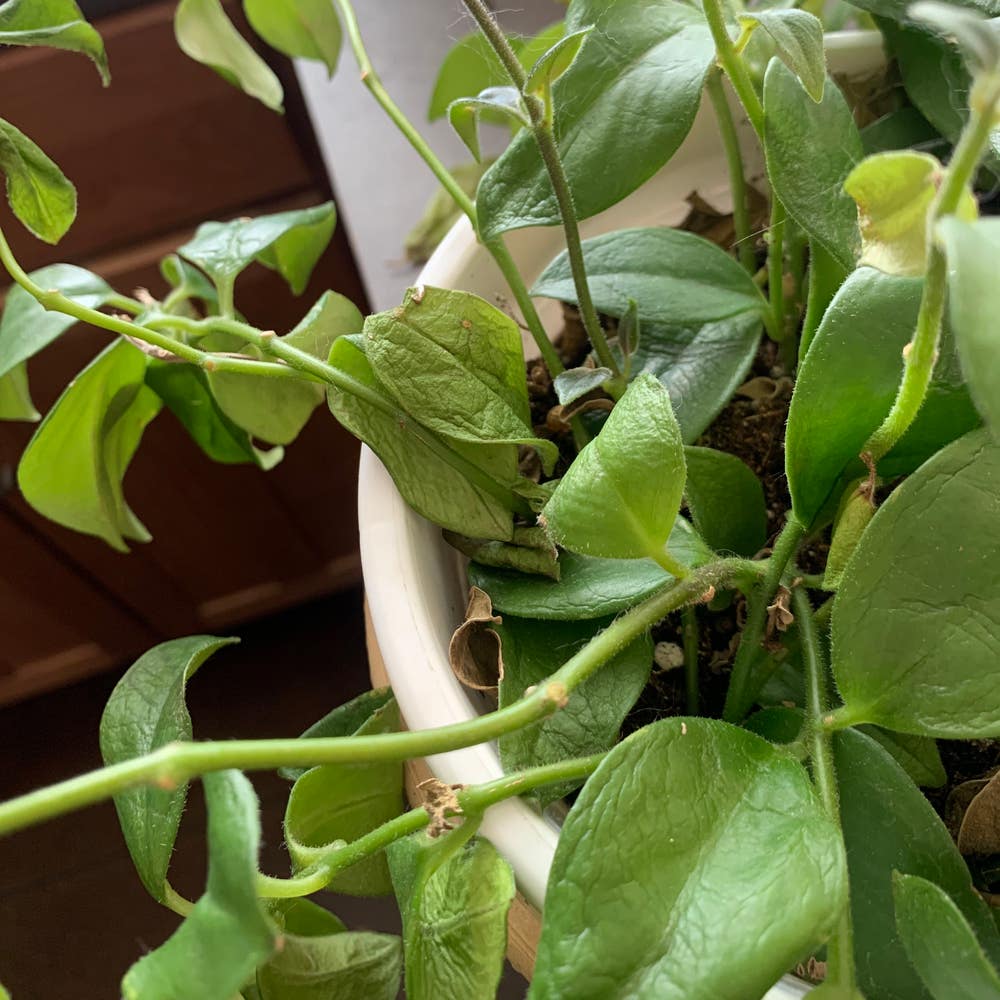
Leaves that wilt or display discoloration are crying out for help. Crispy leaves suggest your Mona Lisa Lipstick Plant might be too hot, while mushy spots hint at a cold injury.
🧊 What's causing the chill?
Drafts and sudden temperature changes are the usual suspects behind temperature stress. Fluctuations can turn your plant's environment into a roller coaster ride it didn't sign up for. Keep an eye out for browning leaves or a droopy stance – they're not just being dramatic; they're stressed.

Turning Up the Heat on Flowering
🌡️ Blooms and degrees
To coax a Mona Lisa Lipstick Plant into flaunting its vibrant flowers, temperature plays a starring role. The sweet spot for this botanical beauty lies within a balmy range, where the mercury hovers just right. Optimal temperatures encourage the plant to produce its signature blooms, showcasing a riot of color that's a feast for the eyes.
🥶 When temperatures drop
Chilly conditions can slam the brakes on your plant's flowering cycle. When the thermometer dips too low, the plant's blooming ambitions are put on ice. Cold temperatures signal the plant to conserve energy, leading to a disappointing absence of flowers. It's a botanical bummer, but with careful temperature management, you can keep the floral show on the road.

⚠️ Safety First
This content is for general information and may contain errors, omissions, or outdated details. It is not medical, veterinary advice, or an endorsement of therapeutic claims.
Always consult a qualified healthcare professional before using any plant as food, medicine, or supplement.
Never eat any plant (or feed one to pets) without confirming its identity with at least two trusted sources.
If you suspect poisoning, call Poison Control (800) 222-1222, the Pet Poison Helpline (800) 213-6680, or your local emergency service immediately.
Spotted an error? Please report it here.
Keep your Mona Lisa Lipstick Plant thriving 🌡 with Greg's reminders to check and adjust temperatures, ensuring those vibrant blooms are never at risk from the chill.