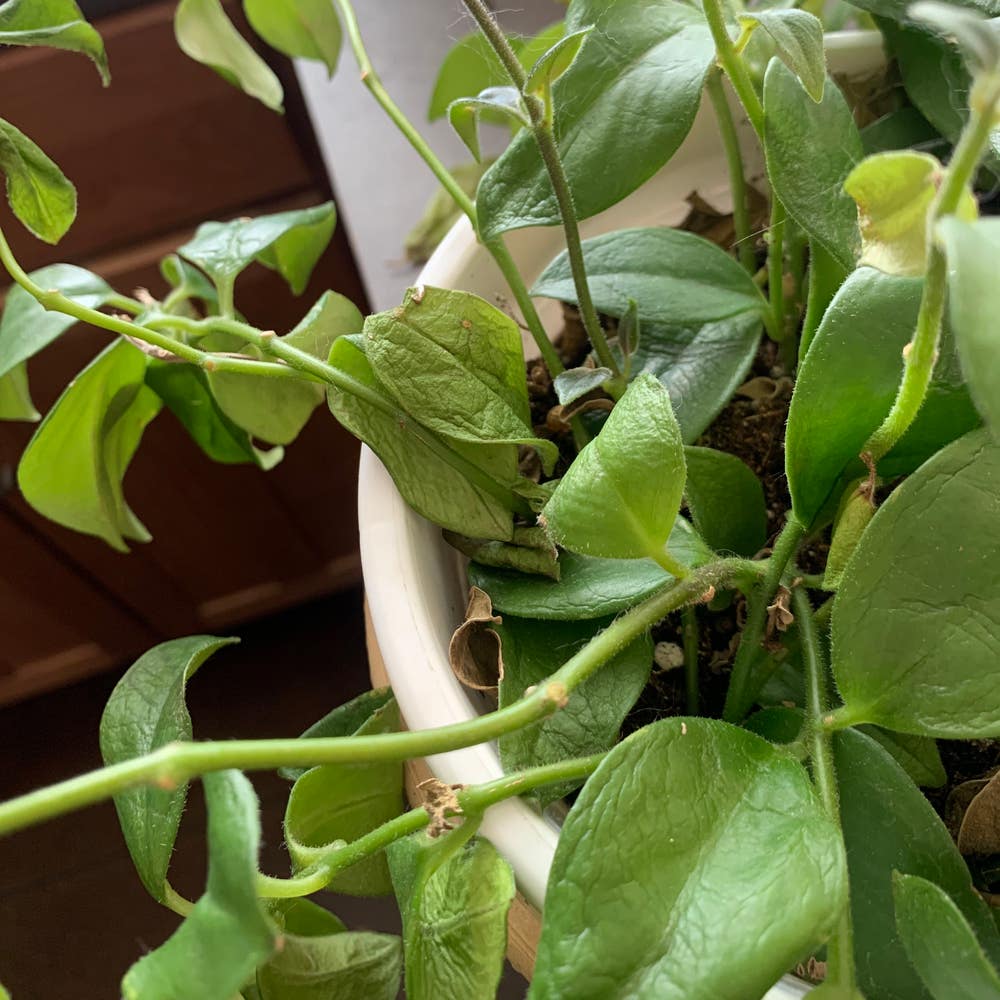
Should I Repot My Mona Lisa Lipstick Plant And If So, How?
Aeschynanthus radicans 'Mona Lisa'
By the Greg Editorial Team
Jun 18, 2024•4 min read
This article was created with the help of AI so we can cover more plants for you. May contain errors. See one? Report it here.
Transform your Lipstick Plant into a flourishing masterpiece 🎨 with savvy repotting tips for vibrant growth.
- Roots peeking out? Time to repot your Lipstick Plant.
- Choose terracotta or ceramic pots for breathability and moisture control.
- Repot in spring; avoid blooming or dormant seasons.
Spotting the Tell-Tale Signs It's Time for a New Home
🌱 Root Clues: Peeking Roots
When roots stage a jailbreak from the drainage holes, it's not a magic trick—it's a cry for help. Your Mona Lisa Lipstick Plant's roots should be comfortably hidden, not making a cameo at the pot's base. A root escape act is a clear signal: repotting time has arrived.
💧 Thirsty Soil: Dry Spells
If your plant's soil dries out faster than a text message conversation, it's a hint that the roots need more room. Quick-drying soil means the plant is thirsty for space, not just water. When the soil feels more like a desert than a damp forest floor, consider that your cue to upgrade the pot.
🌱 Growth Halt: Stunted Ambitions
A growth standstill is like hitting a ceiling in your career—frustrating and limiting. If your plant has stopped growing, it's not slacking off; it's root-bound. Stunted growth is the plant's way of waving a white flag and signaling it's time for a change of scenery.

Choosing the Right Pot: Material Matters
🌱 Breathable Beauties: Terracotta and Ceramic
Terracotta is the moisture-wicking champion for your Mona Lisa Lipstick Plant. Its porous nature allows air and water to circulate, preventing root rot and overwatering mishaps.
Ceramic pots, with their stylish flair, offer a similar breathability, especially when unglazed. They keep the moisture levels steady, ensuring your plant's roots are neither too wet nor too dry.
🚫 Plastic Pots: Think Twice
Plastic may be easy on the wallet, but it's a humidity hoarder. These pots trap moisture, which can spell trouble for the delicate root system of your Lipstick Plant.
Moreover, plastic's environmental footprint is hefty. If sustainability is your jam, you might want to swipe left on plastic and opt for more eco-friendly materials.

The Repotting Rundown: When and How
⏰ Timing is Everything
Spring is the repotting season. It's when your Mona Lisa Lipstick Plant is ready to burst into growth, making it the perfect time to give it a new home. Avoid repotting during blooming or the dormant winter months to prevent unnecessary stress on your plant.
Step-by-Step to a New Abode
🌱 Prepping the Pot and the Plant
Hydrate your plant a day before the move to ease the transition. Choose a new pot that's a size or two larger than the current one, ensuring it has adequate drainage holes. This is not just about upsizing; it's about optimizing the living space for your plant's roots.
Room to Grow
Gently squeeze the pot to loosen the grip of the soil and carefully lift out the plant. Inspect the roots, trimming any that are dead or overly long. Remember, you're creating room for growth, not putting the plant on a diet. Fill the new pot with a well-draining, organically rich soil mix, slightly acidic if possible, but your Lipstick Plant isn't too picky about pH. Repotting is like moving to a new apartment—more space equals more growth potential.

After the Move: Helping Your Plant Settle In
💧 The First Watering
After repotting, water thoroughly to help your Mona Lisa Lipstick Plant settle. Imagine giving a drink to someone who's just finished a marathon – that's what your plant needs. But be cautious; overwatering can lead to soggy soil, which is a no-go. Wait until the top inch of soil feels dry before the next watering session.
🌞 Light and Temperature: The Comfort Zone
Bright, indirect light is your plant's best friend post-move. Direct sunlight? Not so much. It's like a recovering patient; too much too soon can be overwhelming. As for temperature, think stable and comfortable. Avoid placing your plant near drafts or heat sources like radiators, which can cause temperature shock. Keep it in a spot that's just right, where it can bask in consistent warmth without breaking a sweat.
🕵️ Monitoring and Adjustment
Keep a close eye on your plant for the first few weeks. It's like a new neighbor settling in; you want to make sure it's doing okay. Check the soil moisture regularly – it should be moist but not wet. And remember, if your plant's leaves start dropping, don't panic. It's normal for plants to shed a bit while they adjust to their new digs. Just clear away the fallen soldiers and carry on.
⚠️ Safety First
This content is for general information and may contain errors, omissions, or outdated details. It is not medical, veterinary advice, or an endorsement of therapeutic claims.
Always consult a qualified healthcare professional before using any plant as food, medicine, or supplement.
Never eat any plant (or feed one to pets) without confirming its identity with at least two trusted sources.
If you suspect poisoning, call Poison Control (800) 222-1222, the Pet Poison Helpline (800) 213-6680, or your local emergency service immediately.
Spotted an error? Please report it here.
Ensure your Mona Lisa Lipstick Plant thrives in its new pot by following Greg's seasonal reminders 🌱 and expert care tips tailored just for you!