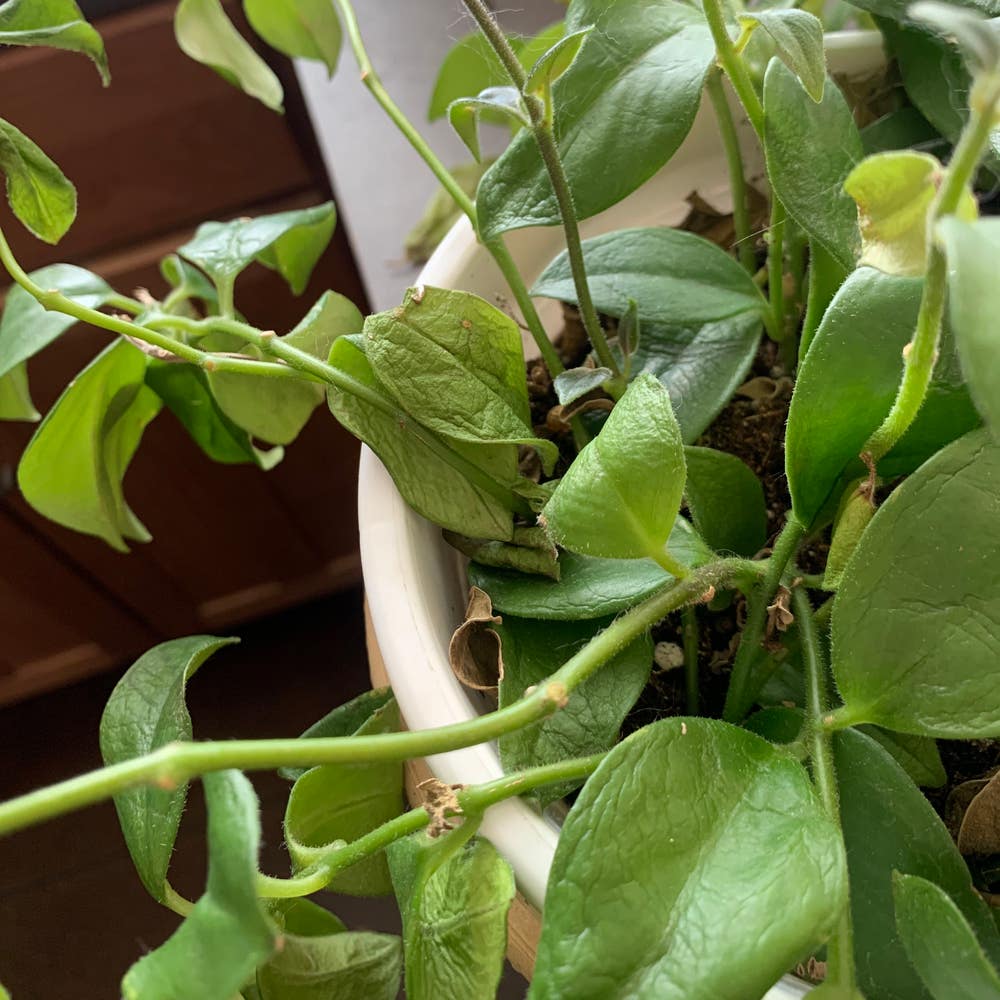
Mona Lisa Lipstick Plant Fertilizer: How and When to Use It
Aeschynanthus radicans 'Mona Lisa'
By the Greg Editorial Team
Jun 18, 2024•4 min read
This article was created with the help of AI so we can cover more plants for you. May contain errors. See one? Report it here.
Nurture vibrant Mona Lisa blooms 🌺 with tailored fertilizing tips that ensure peak flowering.
- Organic vs. Synthetic: Choose based on your plant care style.
- NPK Ratio Matters: Phosphorus is key for Mona Lisa blooms.
- Seasonal Fertilizing: Spring/summer feed, fall adjust, winter rest.
Choosing the Right Fertilizer for Your Mona Lisa Lipstick Plant
💚 Organic vs. Synthetic: Which Way to Go?
The Mona Lisa Lipstick Plant isn't fussy; it'll thrive with either organic or synthetic fertilizers. Organic options are the tortoise in the race—slow and steady, nurturing the soil ecosystem along the way. They might hit the nose and the wallet harder, but they're a gift that keeps on giving. Synthetic fertilizers are the hare, zipping nutrients straight to your plant for a rapid green-up. But beware, they can be a root-scorching hazard if overused.
🌱 Understanding NPK Ratios
The NPK ratio is like a plant's dietary label—Nitrogen (N) for foliage, Phosphorus (P) for those signature blooms, and Potassium (K) for overall health. Aim for a balanced meal with a slight lean towards phosphorus to encourage flowering. Remember, your plant's appetite changes with the seasons, so adjust the ratios accordingly.
🏆 The Best Fertilizer Brands for Mona Lisa Lipstick Plant
When it comes to brands, it's a jungle out there. For the Mona Lisa Lipstick Plant, look for fertilizers that boast a balanced NPK ratio with a phosphorus edge. Some stellar picks include Espoma Organic, known for its gentle touch, or Osmocote Smart-Release for a more set-it-and-forget-it approach. Always read labels and reviews, and when in doubt, less is more—your plant will send signals if it's not getting the nutrition it craves.

Timing is Everything: When to Fertilize for Peak Blooms
💡 Growth Cycle Know-How
Your Mona Lisa Lipstick Plant has an internal clock that dictates when it's ready to absorb nutrients and strut its stuff with vibrant blooms. Spring and summer are its go-time for growth, making this the prime window for fertilization. During these seasons, your plant's metabolism is in overdrive, and it's hungry for a nutrient boost.
🍂 Seasonal Adjustments
As the seasons shift, so should your fertilization game plan. Summer's end signals a slowdown in your plant's growth, and it's time to ease up on the feeding frenzy. Transition to a lighter fertilization schedule in the fall and put the fertilizer away for winter hibernation. Remember, overdoing it can lead to a lush green beast with no flowers in sight. Keep it balanced; think of it as a diet for your plant—too much of a good thing is still too much.

Fertilizing Like a Pro: Techniques and Tips
💧 The Right Amount
Measuring the correct dosage of fertilizer for your Mona Lisa Lipstick Plant is crucial. Start with a reduced dosage from what's recommended on the label, as over-fertilization can harm the plant.
🌿 Application Methods
For liquid fertilizers, dilute more than directed to prevent over-application. Apply at the base, avoiding the stem and leaves. After fertilizing, water your plant to help the nutrients penetrate the soil.
👀 Monitoring Plant Response
Observe your plant in the days following fertilization. Yellowing leaves may indicate overuse. Adjust the strength or frequency of applications based on the plant's health and growth for optimal results.

Troubleshooting: Dealing with Over-Fertilization
🚨 Spotting the Signs
Recognizing when your Mona Lisa Lipstick Plant has had one too many nutrient cocktails is crucial. Look for a crusty buildup on the soil surface, leaves turning yellow or brown at the tips and margins, or roots that are brown and limp. Wilting leaves can be deceptive; they scream thirst but may actually be drowning in fertilizer. If your blooms are looking lackluster or non-existent, it's time to suspect a nutrient party foul.
🛠 Quick Fixes
Caught in the act? Stop the music and get to work. First, remove any visible fertilizer from the soil's surface. Then, it's time for a deluge—flush the soil with water to dilute the excess nutrients, repeating this process every few days. Snip off any damaged leaves; they're not making a comeback. In extreme cases, consider repotting your plant with fresh, nutrient-free soil to give it a clean slate.
🕰 Long-Term Recovery
Patience is your new best friend. After addressing the immediate over-fertilization crisis, hold off on future fertilizing for at least three to four weeks. Monitor your plant's recovery, ensuring it has the right balance of light and water—too much of either can hinder the bounce-back process. Remember, recovery is a marathon, not a sprint. Give your plant the time it needs to shake off the hangover and return to its vibrant self.
⚠️ Safety First
This content is for general information and may contain errors, omissions, or outdated details. It is not medical, veterinary advice, or an endorsement of therapeutic claims.
Always consult a qualified healthcare professional before using any plant as food, medicine, or supplement.
Never eat any plant (or feed one to pets) without confirming its identity with at least two trusted sources.
If you suspect poisoning, call Poison Control (800) 222-1222, the Pet Poison Helpline (800) 213-6680, or your local emergency service immediately.
Spotted an error? Please report it here.
Ensure your Mona Lisa Lipstick Plant flourishes with perfect blooms by following Greg's 🌸 custom fertilization schedule, avoiding the common pitfalls of over or underfeeding.