🌞 Is Direct Sunlight Good for My Mona Lisa Lipstick Plant?
Aeschynanthus radicans 'Mona Lisa'
By the Greg Editorial Team
Jun 18, 2024•2 min read
This article was created with the help of AI so we can cover more plants for you. May contain errors. See one? Report it here.
Nurture your Lipstick Plant 🌿 to perfection by dodging the sun's sizzle! ☀️
- 🌿 Mona Lisa thrives in dappled light, not intense direct sun.
- Window direction affects plant health—adjust for gentle or harsh light.
- Faded or crispy leaves? Too much sun! Use curtains, relocate, and monitor.
Sunlight Decoded: Direct vs. Indirect
🌞 What is Direct Sunlight?
Direct sunlight is the unfiltered star of the show, beaming down with full intensity. It's like the sun is giving your plant a high-five with all its energy.
Direct Sunlight vs. Indirect Sunlight
Indirect sunlight, however, is the supporting act—light that's bounced around, maybe through a sheer curtain or off a wall, before it whispers to your plant's leaves.

The Mona Lisa Lipstick Plant's Sunlight Preferences
🌿 Native Habits Tell a Story
The Mona Lisa Lipstick Plant thrives in

When Windows Play a Role
🌞 The Direction Dilemma
Windows are the gatekeepers of light for your Mona Lisa Lipstick Plant. North-facing windows provide a steady, gentle glow, perfect for these tropical understory plants that are used to dappled light. South-facing windows are the sun's bullseye, especially in the Northern Hemisphere, and can lead to leaf burn without caution. East-facing windows offer a soft morning light that can be ideal, while west-facing windows might serve up a harsher afternoon light that could overwhelm your plant.
🌍 Hemisphere Highlights
The sun's path isn't a one-size-fits-all; it's a geographical tailor. In the Northern Hemisphere, south-facing windows soak up the most sun, but if you're down under in the Southern Hemisphere, it's the north-facing windows that bask in the glory. Remember, as the Earth tilts through the seasons, the intensity and angle of sunlight shift, so you might need to shuffle your plant to avoid the full force of the sun's rays.

Protecting Your Plant from Too Much Sun
🌞 Spotting a Sunburn
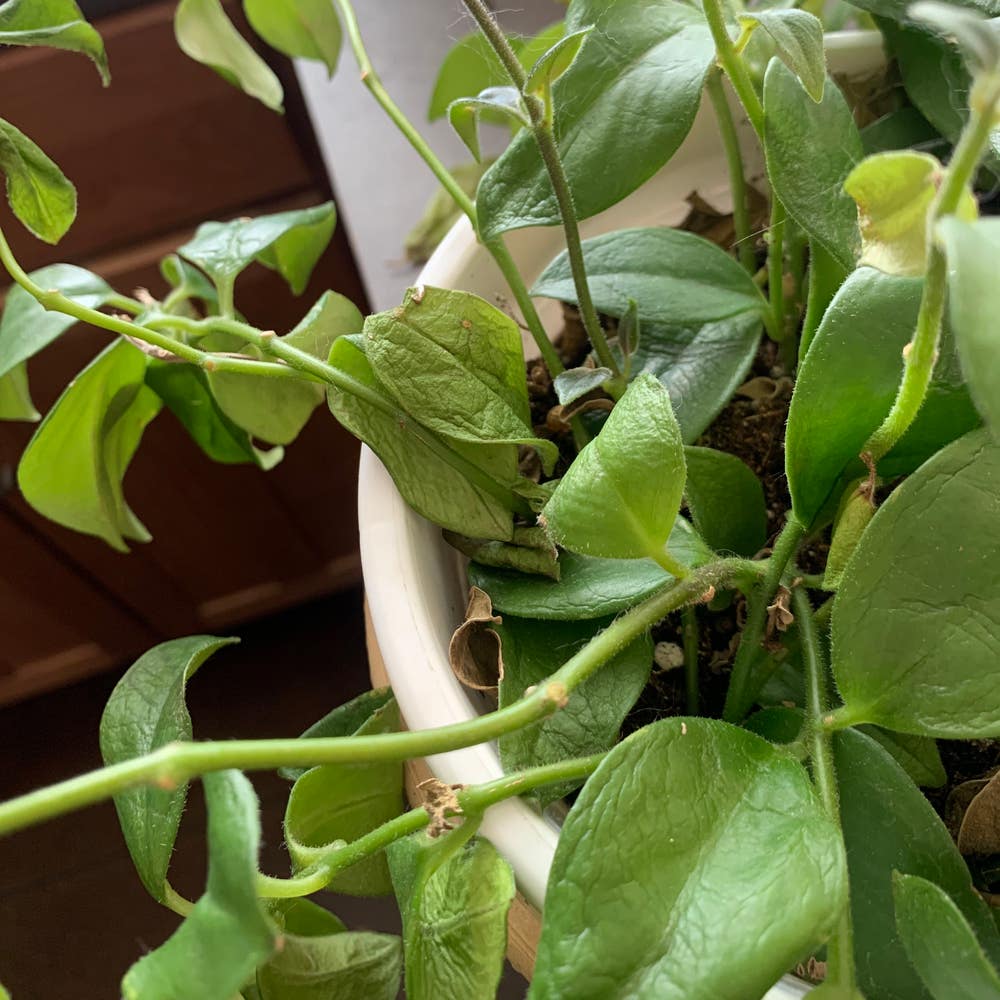
Identifying signs of too much direct sunlight on your Mona Lisa Lipstick Plant is crucial. Faded leaves or those with a crispy texture are the plant's SOS. It's telling you it's had more than its fair share of rays.
🌅 Sunlight Management Strategies
Relocation is your first line of defense. Move your plant away from the harsh midday sun, perhaps to an east or west-facing window, as recommended for the Mona Lisa variety. Consider a sheer curtain to diffuse strong sunlight, acting like a pair of sunglasses for your plant. Seasonal adjustments are key; as the sun's intensity changes, so should your plant's position. Keep an eye out for environmental stress; it's not just pests that can wreak havoc. Lastly, regular monitoring is non-negotiable. It's like running diagnostics on your car – catch issues early, and you'll save yourself a heap of trouble.
⚠️ Safety First
This content is for general information and may contain errors, omissions, or outdated details. It is not medical, veterinary advice, or an endorsement of therapeutic claims.
Always consult a qualified healthcare professional before using any plant as food, medicine, or supplement.
Never eat any plant (or feed one to pets) without confirming its identity with at least two trusted sources.
If you suspect poisoning, call Poison Control (800) 222-1222, the Pet Poison Helpline (800) 213-6680, or your local emergency service immediately.
Spotted an error? Please report it here.
By dodging harsh rays and embracing dappled light, you'll see your Mona Lisa Lipstick Plant prosper 🌱—and with Greg, effortlessly adjust to the sun's seasonal dance for peak plant health.