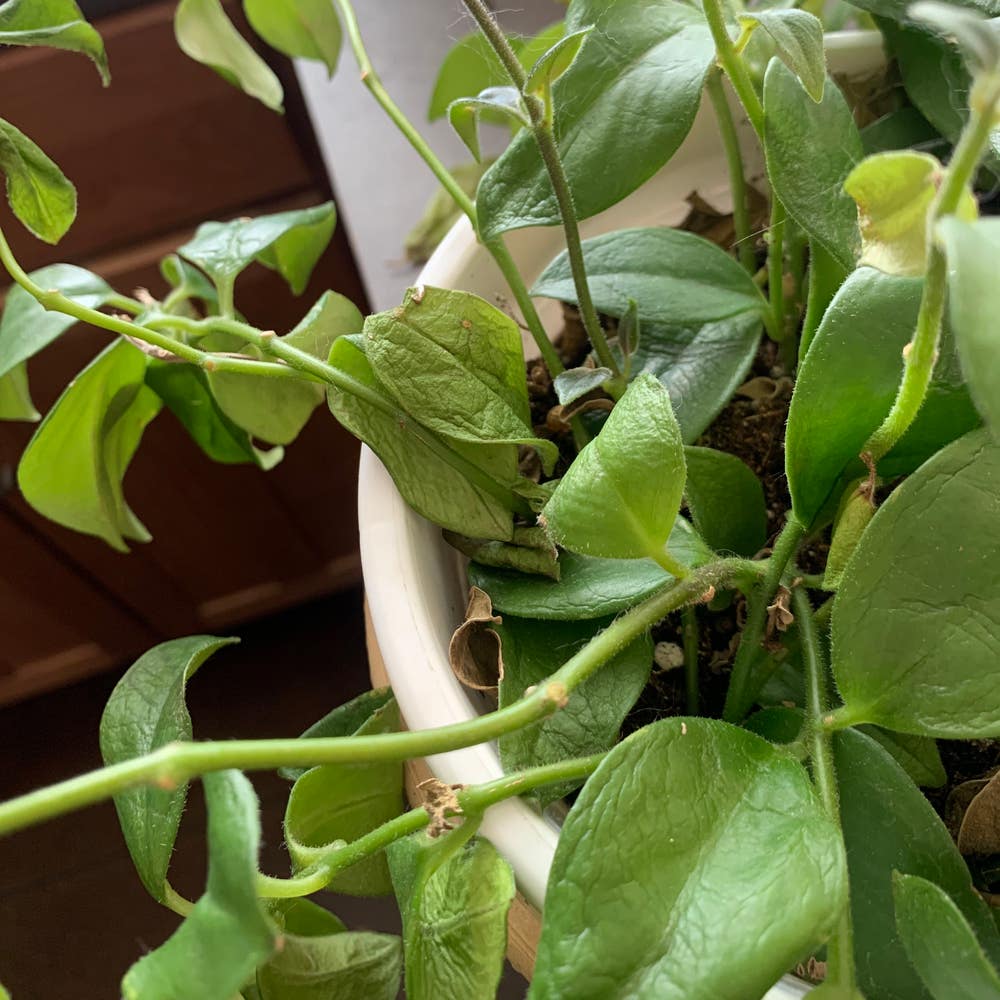
Why Are My Mona Lisa Lipstick Plant Leaves Mushy?
Aeschynanthus radicans 'Mona Lisa'
By the Greg Editorial Team
Jun 18, 2024•4 min read
This article was created with the help of AI so we can cover more plants for you. May contain errors. See one? Report it here.
Revive your wilting Lipstick Plant 🌿 and prevent mushy leaves with these life-saving care tips!
- Mushy leaves signal distress, like overwatering or root rot.
- Check soil before watering; use pots with drainage to prevent mushiness.
- Prune affected foliage and maintain proper humidity and light for recovery.
Spotting the Trouble Signs
🍄 Telltale Symptoms of Mushiness
Visual cues and texture are your allies in diagnosing the health of your Mona Lisa Lipstick Plant. Leaves that resemble a damp sponge signal it's time for action. Dark spots or a wilted look are the plant's distress signals. Leaves that yield too easily to gentle pressure or detach without effort are too soft and indicate a problem. A moldy smell or persistently wet soil are red flags for overwatering.
🕵️ Decoding the Underlying Issues
Linking these symptoms to potential causes is crucial. Discoloration, such as yellowing or browning leaves, often accompanies a mushy texture, hinting at a compromised plant. Stunted growth or mushy stems can be signs of deeper issues, like poor drainage or root rot. If the roots smell off and feel like something from a B-grade horror flick, it's a serious SOS. Stay vigilant, regularly inspect your plant, and be ready to adjust your care routine to address these underlying issues.

Getting to the Root of the Problem
💦 Battling Overwatering
Overwatering is like helicopter parenting: too much of a good thing. Check the soil before you water; it should be damp, not a soggy mess. If it clumps without dripping, you're golden.
🌱 Pot Size and Drainage
Pot size matters. Too large, and you're inviting stagnant water; too snug, and roots suffocate. Aim for the Goldilocks zone and always, always use pots with drainage holes.
🏜️ The Underwatering Paradox
Underwatering can be a sneaky imposter, mimicking overwatering's soggy symptoms. Balance is key; your plant craves consistent moisture, not a desert or a swamp.
💧 Soil Moisture Balance
To prevent the underwatering confusion, let the topsoil dry out slightly between waterings. It's a simple touch test—dry? Time for a drink. Wet? Hold off on the watering can.
🦠 Root Rot: A Silent Assassin
Root rot is the ninja of plant problems—silent, deadly, and out of sight. Spot the rot by checking for black or mushy roots. If you find them, it's time to act fast.
🚱 Stopping Root Rot
To halt root rot, improve drainage stat. Mix in perlite or sand to get that soil aerated. If you've got a case of the rots, consider a fungicide or beneficial fungi like Trichoderma to fight back.

The Recovery Plan
💧 Adjusting Your Watering Technique
Fine-tuning your watering frequency is pivotal for your Mona Lisa Lipstick Plant's recovery. Ditch the rigid watering schedule; instead, test the soil's moisture by feeling an inch below the surface. If it's damp, hold off on the H2O.
🌱 The Right Soil and Repotting Strategy
Choosing the right soil is like picking a good pair of shoes—it needs to fit and function well. Opt for a well-draining mix with a dash of perlite or sand. When repotting, think of it as your plant's moving day to a new home with better facilities.
Step-by-step repotting guide for mushy leaf prevention:
- Select a pot with drainage holes that could make Swiss cheese envious.
- Gently remove your plant, being as tender as a plant whisperer.
- Trim any soggy roots with sterilized scissors—plant hygiene matters.
- Fill the new pot with your well-draining mix and settle your plant in.
- Water sparingly post-repotting, letting your plant acclimate to its new digs.
✂️ Pruning for Perfection
Pruning is like a strategic game; you're the chess master deciding which pieces to sacrifice. Snip off the mushy leaves with sterilized precision. Remember, cleanliness is next to plant-godliness—disinfect those shears after each cut.

Keeping Your Plant Happy and Healthy
💧 Mastering Moisture Management
Humidity is a balancing act. Too little, and your Mona Lisa Lipstick Plant will be as parched as a desert. Too much, and you're inviting mold to the party. Aim for 40-50% humidity – a sweet spot that keeps the leaves firm and healthy. Use a humidifier or a pebble tray to increase moisture, and always have a hygrometer handy to measure levels. Remember, consistency is key.
🌿 Creating the Ideal Environment
Bright, indirect light is non-negotiable for your plant's well-being. Direct sunlight is a no-go; think of it as the overzealous friend who doesn't know when to leave the party. Keep temperatures steady; sudden changes are as welcome as a snowstorm in July. Monitor and adjust the temperature and light to mimic the plant's native tropical environment. Use thermometers and grow lights if necessary, but avoid turning your living room into a plant sauna.
⚠️ Safety First
This content is for general information and may contain errors, omissions, or outdated details. It is not medical, veterinary advice, or an endorsement of therapeutic claims.
Always consult a qualified healthcare professional before using any plant as food, medicine, or supplement.
Never eat any plant (or feed one to pets) without confirming its identity with at least two trusted sources.
If you suspect poisoning, call Poison Control (800) 222-1222, the Pet Poison Helpline (800) 213-6680, or your local emergency service immediately.
Spotted an error? Please report it here.
Avoid the mushy-leaf blues by letting Greg track soil moisture 🌱 and remind you when it's the perfect time to water your Mona Lisa Lipstick Plant!