💄 How Do I Know When My Mona Lisa Lipstick Plant Needs Water?
Aeschynanthus radicans 'Mona Lisa'
By the Greg Editorial Team
Jun 18, 2024•5 min read
This article was created with the help of AI so we can cover more plants for you. May contain errors. See one? Report it here.
Nail your Lipstick Plant's watering routine 🌺, ensuring lush growth without the guesswork!
- Droopy leaves signal thirst, check deeper soil to confirm.
- Seasons dictate watering; more in summer, less in winter.
- Proper potting mix and pots with drainage prevent overwatering.
Spotting a Thirsty Lipstick Plant
🚰 Visual Thirst Cues
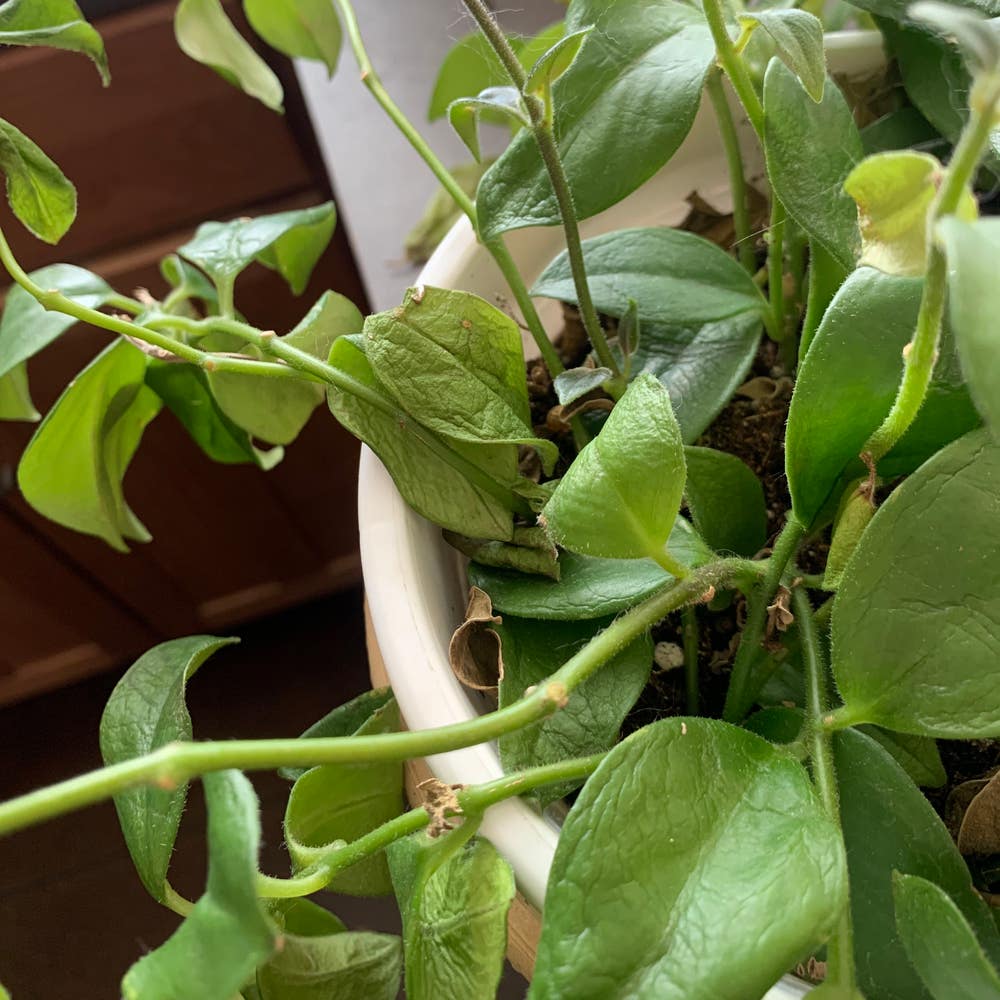
Droopy leaves are your plant's white flag of surrender to thirst. They're not just slacking off; they need a drink. But don't just eyeball the surface; soil dryness can be deceptive. Check beneath the top layer, as the top can be dry while the bottom's still partying with moisture.
🤲 Tactile and Weight Checks
The lift test is a no-brainer: a lightweight pot signals a need for water. It's like picking up an empty coffee cup when you're expecting a full one—surprisingly light. For a hands-on approach, the finger soil test is your go-to. If the top inch feels like a dry summer day, it's time to water. If it's damp, give it a break.

Watering Rhythms and Rituals
💧 Seasonal Watering Cadence
As the seasons turn, your Mona Lisa Lipstick Plant's watering needs pivot. Summer brings about a thirstier plant, basking in its peak growth phase. Here, you'll want to water more frequently, keeping the soil consistently moist but not soggy. Come winter, the plant's thirst dials back. It's a time for restraint, with reduced watering to match the plant's slowed metabolism.
Home climate also plays a pivotal role. A dry, heated indoor environment in winter might mean your plant still needs a fair share of water, albeit less than during the summer months. Keep a vigilant eye on the soil moisture and adjust as needed.
The Right Pour
Watering technique is crucial. Think of it as a ritual; a slow, deliberate pour at the base of the plant, ensuring the water reaches deep into the roots without overwhelming them. It's about finding that sweet spot between a drought and a flood.
Overwatering is the silent killer of houseplants. It's a common mistake, but avoidable. Ensure your plant's pot has proper drainage and resist the urge to water on a schedule. Instead, water when the plant shows you it's ready. Keep a lookout for droopy leaves or dry soil as your cues. Remember, when it comes to watering, sometimes less is indeed more.

The Perfect Potting Mix and Container
🚰 Drainage is Key
Choosing the right potting mix is like picking a reliable umbrella; it should shield your plant's roots from excess water while allowing them to sip what they need. A mix of peat, pine bark, and perlite or vermiculite is often the go-to for those in the know. Add a sprinkle of activated charcoal to keep things sweet down below.
For pots, think of them as your plant's sneakers—drainage holes are the breathable mesh that keeps things cool and dry. Terracotta is the material of choice for many, thanks to its knack for wicking away moisture. Remember, size matters; too big, and you risk a soggy mess, too small, and your plant's growth could be stifled.
Crafting Your Own Mix
If you're feeling crafty, whip up a custom blend. Mix equal parts organic potting mix, orchid bark, and perlite. This DIY approach lets you tweak the recipe to your plant's liking, ensuring their roots are never waterlogged.
Picking pots that promote health: Drainage holes and material matters
When pot shopping, look for options with drainage holes—non-negotiable for healthy roots. The material can make a difference, too. Plastic is lightweight but can retain moisture, so check it doesn't hold water like a grudge. And if you're going for a chic look with ceramic or glazed pots, just ensure they're not trapping water like a dam.

Adapting to Your Plant's Lifestyle
💧 Growth and Environment Interplay
Understanding your Mona Lisa Lipstick Plant's water needs is like decoding a secret language where growth phases are the alphabet. During active growth, your plant is a thirsty beast, guzzling water to support new leaves and blooms. In contrast, when it's chilling in a dormant phase, it sips water like a fine wine, conserving energy for the next growth spurt.
Light and humidity aren't just background settings; they're critical cues that shape your watering schedule. A plant basking in bright, indirect light will need watering more often than one in a dim corner. Similarly, high humidity can make the soil's thirst less urgent, while dry air has the opposite effect.
🌿 Reading the Room: Adjusting Water Based on Light and Humidity
Your plant doesn't care about the latest interior design trends; it cares about survival. If your room is drier than a stand-up comedian's wit, it's time to up the humidity game. Conversely, if you're living in a steam room, ease up on the watering can.
Keep an eye on how the light shifts in your space throughout the day and year. That sunbeam that kisses your plant in the summer might ghost it in the winter, prompting a change in your watering rhythm. And remember, just like you swap your wardrobe with the seasons, your plant's water wardrobe needs switching up too.
Remember, your plant is a living barometer, reacting to its environment. Tune in to its needs, and you'll both be happier for it.
⚠️ Safety First
This content is for general information and may contain errors, omissions, or outdated details. It is not medical, veterinary advice, or an endorsement of therapeutic claims.
Always consult a qualified healthcare professional before using any plant as food, medicine, or supplement.
Never eat any plant (or feed one to pets) without confirming its identity with at least two trusted sources.
If you suspect poisoning, call Poison Control (800) 222-1222, the Pet Poison Helpline (800) 213-6680, or your local emergency service immediately.
Spotted an error? Please report it here.
Keep your Mona Lisa Lipstick Plant from ever going thirsty by letting Greg's custom care plan 🚿 adapt to your home's light and humidity, ensuring just the right amount of water every time.