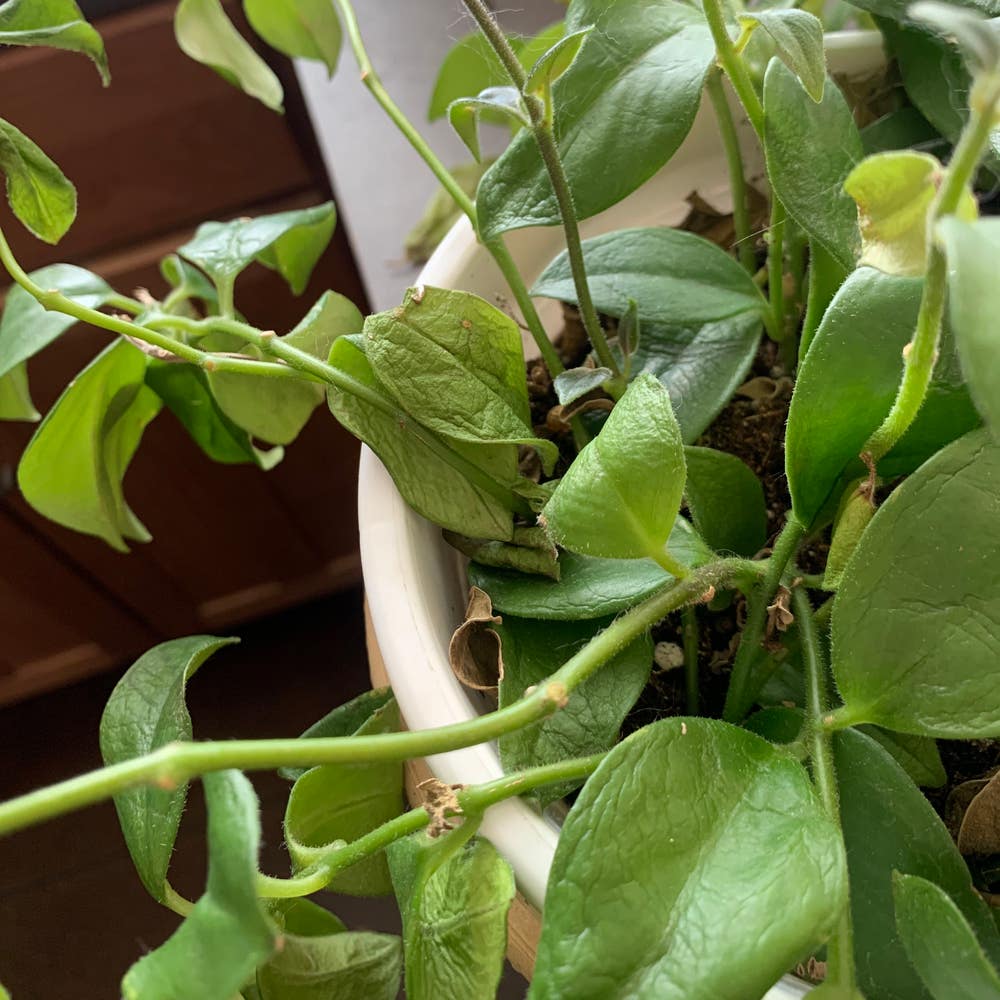
✂️ When and Where Should I Trim My Mona Lisa Lipstick Plant?
Aeschynanthus radicans 'Mona Lisa'
By the Greg Editorial Team
Jun 18, 2024•4 min read
This article was created with the help of AI so we can cover more plants for you. May contain errors. See one? Report it here.
Prune your Lipstick Plant at the right time 🕒 for bushier growth and vibrant blooms! 🌺
- Spring pruning promotes active growth and recovery; autumn trims prep for winter.
- Post-bloom cuts boost new growth and future blooms; target old and dense branches.
- Propagate with precision: Use clean tools for snips and healthy propagation.
Best Times to Give Your Plant a Haircut
🌸 Seasonal Cues: When Your Plant is Ready for a Trim
Spring ushers in the prime time for pruning your Mona Lisa Lipstick Plant. This period of active growth makes the plant more resilient to cutting, allowing for speedy recovery and lush regrowth. In contrast, autumn is about subtle trims—think of it as prepping your plant for a cozy winter rest rather than a full makeover.
🌺 Post-bloom Pruning: Timing It Right for a Beauty Boost
After the Mona Lisa Lipstick Plant has put on its floral show, it's time to get snippy. Post-bloom pruning sets the stage for the next season's performance. By removing spent flowers, you redirect the plant's energy towards new growth and future blooms, ensuring a continuous cycle of beauty.

Zeroing in on Where to Snip
🌿 Spotting the Old and Overgrown
Old growth and overgrown branches are your primary targets. Look for stems that have lost their vigor, appearing more like tired arms than lively offshoots. These are the parts of your Mona Lisa Lipstick Plant begging for a trim. Cut them back to a node to invigorate new, bushier growth.
🌱 Encouraging a Bushy Comeback
When your plant starts resembling a lanky teenager rather than a full-bodied shrub, it's time for strategic cuts. Snip above a node—those little bumps on the stems—to encourage the plant to branch out. This is not just about aesthetics; it's about promoting a healthier, denser plant.
🌳 Strategic Cuts for Shape and Vigor
Pruning isn't just about cutting; it's about sculpting. Aim for a balanced shape by thinning out dense areas. This will not only improve the look of your plant but also enhance light penetration and airflow, crucial for plant health.
🩹 Dealing with Damaged and Diseased Stems
Disease and damage are the silent killers of your plant's potential. Cut away any stems that show signs of distress. This preemptive strike will save your plant from a world of trouble and keep it thriving.
🌸 Syncing with Growth Cycles
Remember, timing is key. Prune during the spring or fall, when your plant is most receptive to change. This aligns with the natural growth cycles, ensuring your plant bounces back with gusto.
🛡️ Pruning as Preventative Care
Keep an eye out for branches that are rubbing together or look weak. By removing these, you're not just tidying up; you're preventing potential wounds that could invite pests or diseases. It's like giving your plant a shield along with a makeover.

Pruning with Precision
✂️ Choosing Your Tools: A Quick Guide to Pruning Shears and Scissors
Sharpness is non-negotiable. Whether you're wielding pruning shears or scissors, make sure they're razor-sharp. Dull tools are a menace to your plant's health, causing jagged cuts that invite pests and disease. Opt for high-quality tools that feel like an extension of your hand—comfort is key for precision work.
Cleanliness is next to plant godliness. Sterilize your tools with rubbing alcohol or a bleach solution before and after each use. This isn't just about being a neat freak; it's about protecting your plant from microscopic invaders.
🌱 Making the Cut: Techniques for Clean Snips and Healthy Growth
Confidence is crucial. Hesitation leads to sloppy cuts. Snip decisively where the leaf meets the stem to direct future growth. Think of it as a strategic game—every cut shapes the plant's destiny.
Technique matters. Angle your shears to cut at a 45-degree angle, ensuring a quick healing process. It's not just a snip; it's a surgical strike for the betterment of your Mona Lisa Lipstick Plant.
Remember, you're not just pruning; you're setting the stage for a flourishing future. Keep your tools sharp, your cuts clean, and your plant will thank you with vigorous growth and stunning beauty.

Pruning as a Gateway to More Plants
✂️ Snip and Propagate: Turning Trimmings into New Starts
Pruning your Mona Lisa Lipstick Plant isn't just about maintaining its beauty; it's a propagation opportunity. Snip off those healthy-looking stems with a few leaves, ensuring you include a node – that's your gold mine for new growth.
🌱 Rooting Your Cuttings: Tips for Propagation Success
Sterilize your scissors first; we're not spreading germs here. Cut just below a leaf node and remove any lower leaves that might rot in water. Dip the end in rooting hormone if you're feeling fancy, but it's not a deal-breaker. Stick those cuttings in water or a well-draining soil mix, and play the waiting game. Roots are shy; they take their sweet time to emerge. Once they do, pot them up and start planning your indoor jungle.
Remember, not every cutting will turn into a plant. But when they do, it's like a free plant lottery win. Keep it clean, keep it sharp, and keep your fingers crossed.
⚠️ Safety First
This content is for general information and may contain errors, omissions, or outdated details. It is not medical, veterinary advice, or an endorsement of therapeutic claims.
Always consult a qualified healthcare professional before using any plant as food, medicine, or supplement.
Never eat any plant (or feed one to pets) without confirming its identity with at least two trusted sources.
If you suspect poisoning, call Poison Control (800) 222-1222, the Pet Poison Helpline (800) 213-6680, or your local emergency service immediately.
Spotted an error? Please report it here.
Shape up your Mona Lisa Lipstick Plant's spring vigor 🌿 with Greg's tailored pruning reminders and expert propagation advice!