💄 Why Are My Mona Lisa Lipstick Plant Leaves Dropping?
Aeschynanthus radicans 'Mona Lisa'
By the Greg Editorial Team
Jun 18, 2024•4 min read
This article was created with the help of AI so we can cover more plants for you. May contain errors. See one? Report it here.
Halt the leaf-drop scare 🍂 with proven tips to nurture a thriving Lipstick Plant!
- 🍂 Excessive leaf drop signals stress; address watering, light, and pests.
- 💧🌡️ Balance water, light, and temperature to prevent leaf loss.
- 🌱 Consistent humidity and nutrients are crucial for plant vigor.
Spot the Signs: Is Your Plant Dropping Leaves Unnaturally?
🍂 Recognizing Excessive Leaf Drop
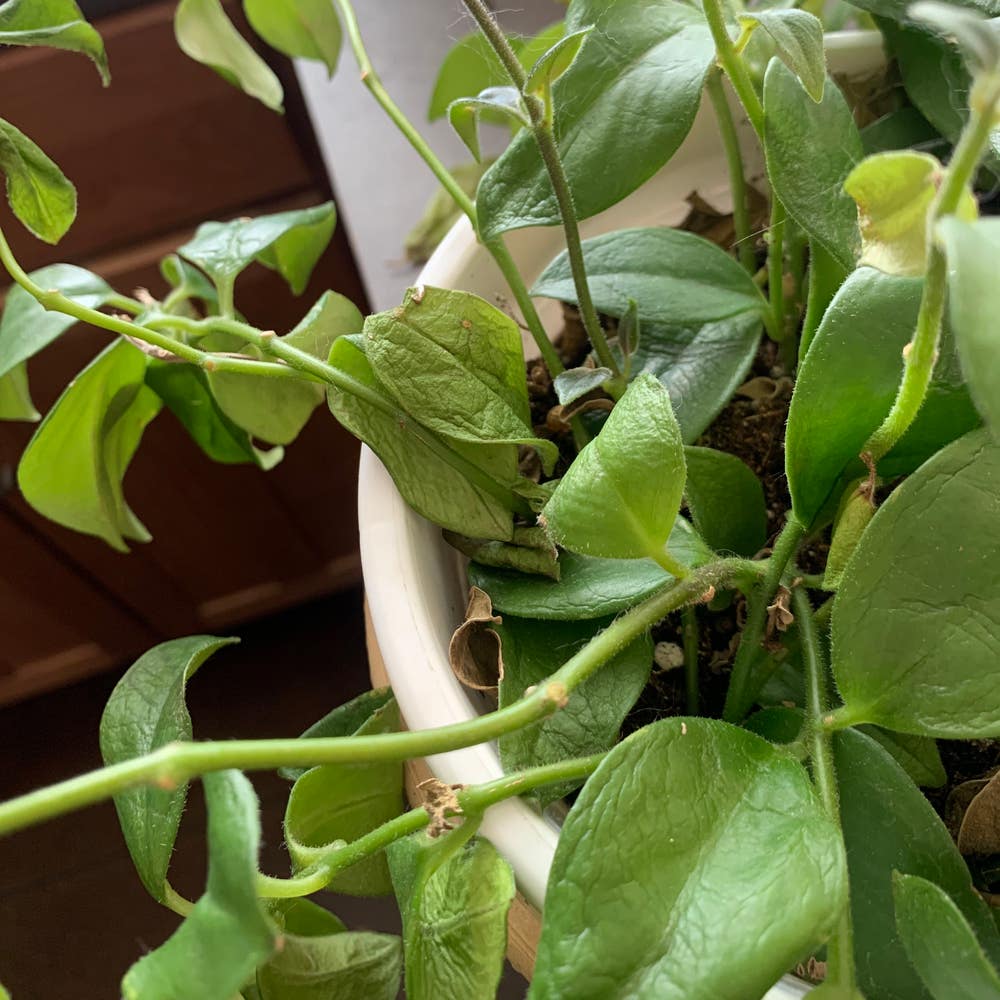
A leaf or two hitting the dirt shouldn't raise an eyebrow, but a deluge of greenery on the floor? That's your plant waving a red flag. If your Mona Lisa Lipstick Plant is shedding more than its fair share, it's not just being dramatic—it's stressed.
🚨 When to Worry
Yellow leaves occasionally? Normal aging. But a cascade of leaf loss paired with sad, droopy foliage is your cue to spring into action. Watch for an uptick in leaf fall, especially if your plant's overall vibe screams "I've seen better days." That's not just a bad hair day; it's a botanical SOS.

Water Woes: Finding the Balance for Your Lipstick Plant
💧 The Perils of Overwatering and Underwatering
Yellowing leaves may be waving a flag of distress, signaling that your watering habits could use a revamp. If the soil feels like a swamp, you've gone overboard with the H2O. Conversely, soil dry as a bone is a clear sign to up your watering game.
🚿 Dialing in the Perfect Watering Schedule
Finding the Goldilocks zone for watering isn't rocket science, but it does require attention. Water thoroughly, letting the excess drain, but avoid turning your plant's pot into a pool party. Adjust to your plant's needs, which can fluctuate with the environment—more frequent watering in the heat, less when it's cooler. Stick your finger in the soil; if it's dry a couple of inches down, it's time to water. Remember, consistency is about soil moisture, not calendar dates.

Light and Temperature: Creating the Ideal Environment
⚖️ The Goldilocks Zone for Light and Warmth
Your Mona Lisa Lipstick Plant craves stability in its light and temperature diet. Bright, indirect light is the sweet spot; it's like the plant's favorite comfort food. Too much direct sunlight, and you're basically giving your plant a sunburn. On the flip side, too little light, and you're starving it of its energy source.
🛠️ Quick Fixes for Light and Temperature Issues
If your plant's leaves are dropping like flies, it's time to reassess its living quarters. Rotate your plant regularly to ensure even light exposure. Keep the temperature steady, ideally between 65-75°F (18-24°C). If your home's temperature swings more than a pendulum, consider a heat mat or fan to even things out. Avoid placing your plant near drafty areas or heat sources, which are as welcome as a skunk at a garden party.

Humidity and Nutrients: The Invisible Essentials
💧 Humidity: The Silent Leaf Dropper
Humidity levels can be the stealthy saboteurs of leaf health. Too low, and you'll see your Lipstick Plant's leaves turning crispy like overdone toast. Too high, and they'll droop, looking as sad as a deflated balloon. Aim for that tropical sweet spot, where the air is moist but not muggy. Consider a pebble tray or a humidifier to maintain consistent humidity, and remember, good air circulation is key to avoiding mold and pests.
🌿 Feeding Your Plant Right
Nutrient deficiencies can turn your Lipstick Plant into a lackluster shadow of its former self. Nitrogen is a big deal—it's like the protein shake for your plant, essential for leaf growth and overall vigor. Yellowing leaves can signal a nitrogen cry for help. On the flip side, too much nitrogen and your plant's leaves will look like they've been polished to a high shine, and not in a good way. Use a balanced fertilizer, but don't go overboard—think of it as seasoning food, not drowning it in sauce. And keep an eye on soil pH; it's the bouncer that decides which nutrients get into the club.
Pest Patrol: Keeping the Critters at Bay
🐜 Common Culprits in Leaf Drop
Leaf drop in your Mona Lisa Lipstick Plant can often be traced back to unwanted guests. Pests such as spider mites, aphids, and scale insects are notorious for causing foliage to falter. These tiny invaders suck the sap from leaves, leaving behind telltale signs like stippling, pale spots, or the appearance of fine webbing.
🛡️ Winning the Battle Against Pests
To reclaim your plant's health, start with non-toxic methods: a strong spray of water can dislodge many pests. For stubborn cases, insecticidal soap or neem oil are your go-to solutions, offering a one-two punch that's tough on pests but gentle on plants. Introducing natural predators, like ladybugs, can also turn the tide in your favor. Remember, the key to pest control is consistency; regular inspections and clean surroundings are your best defense. If you've got a full-blown infestation, it might be time to bring out the big guns—miticides or other recommended insecticides—but always use these with caution and precision.
⚠️ Safety First
This content is for general information and may contain errors, omissions, or outdated details. It is not medical, veterinary advice, or an endorsement of therapeutic claims.
Always consult a qualified healthcare professional before using any plant as food, medicine, or supplement.
Never eat any plant (or feed one to pets) without confirming its identity with at least two trusted sources.
If you suspect poisoning, call Poison Control (800) 222-1222, the Pet Poison Helpline (800) 213-6680, or your local emergency service immediately.
Spotted an error? Please report it here.
Prevent your Mona Lisa Lipstick Plant from dropping leaves 🍂 by letting Greg tailor a stress-free care routine, ensuring the right light, water, and nutrients for your green companion.