Lion's Tail Agave is Not an Invasive Plant 🦁
Agave attenuata
By the Greg Editorial Team
Sep 30, 2024•6 min read
This article was created with the help of AI so we can cover more plants for you. May contain errors. See one? Report it here.
- 🌱 Lion's Tail Agave is not invasive; it grows slowly and prefers specific habitats.
- 🐝 This plant attracts pollinators, enhancing biodiversity in your garden.
- 🌵 Ideal for xeriscaping, it pairs well with drought-tolerant plants and conserves water.
Plant Classification
Definition of Invasive Species 🌱
Invasive species are plants or animals that thrive outside their native habitats, often causing harm to local ecosystems. They typically exhibit rapid growth and spread, displacing native flora and negatively impacting biodiversity.
Key characteristics of invasive species include:
- Rapid Growth and Spread: They can quickly dominate an area.
- Displacement of Native Flora: They outcompete local plants for resources.
- Negative Impact on Local Ecosystems: They disrupt food chains and habitat structures.
Why Lion's Tail Agave is Not Invasive 🦙
Lion's Tail Agave stands apart from invasive species due to its slow growth rate. This characteristic significantly limits its potential to spread uncontrollably.
Additionally, Lion's Tail Agave prefers specific natural habitats, which restricts its range. It thrives in arid environments, making it less likely to invade non-native areas.
Moreover, this plant lacks aggressive reproductive strategies, further differentiating it from invasive species. Its reproductive methods are more subdued, ensuring it doesn’t overwhelm local ecosystems.
In summary, Lion's Tail Agave is a well-behaved member of the plant kingdom, contributing positively to its environment without posing a threat. This understanding sets the stage for exploring its growth habits and ecological role.
Growth Habits
Typical Growth Patterns in Gardens 🌱
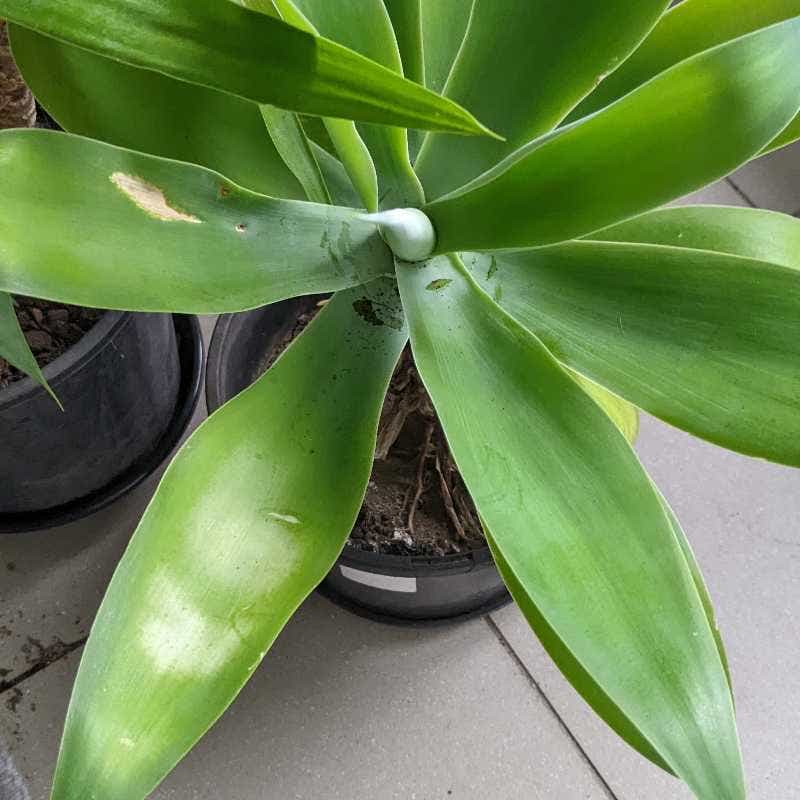
Lion's Tail Agave is a stunning addition to any garden, forming rosettes that can grow up to 3 feet in diameter. Its tall flower spikes, reaching heights of 6-8 feet, not only create a striking visual but also attract essential pollinators like bees and hummingbirds.
The growth cycle of this plant is notably slow, typically taking several years to mature fully. This gradual development allows gardeners to appreciate its beauty over time, making it a rewarding choice for those patient enough to wait.
Natural Limits to Growth and Spread Potential 🚧
One of the key factors that keep Lion's Tail Agave from becoming invasive is its drought tolerance. This characteristic limits its spread in non-arid environments, ensuring it remains well-suited to its natural habitat.
Additionally, Lion's Tail Agave adapts to specific soil types and conditions, further restricting its growth potential. With proper care and placement, gardeners can maintain a manageable size, allowing for a harmonious integration into various landscapes.
As you consider incorporating this unique plant into your garden, remember its natural limits will help you create a balanced and sustainable environment. Next, we’ll explore the ecological role of Lion's Tail Agave and its benefits to local ecosystems.
Ecological Role
Benefits to Local Ecosystems 🌼
Lion's Tail Agave plays a vital role in supporting local ecosystems. It provides essential habitat and food for pollinators like bees and hummingbirds, making it a favorite among these busy creatures.
Additionally, its leaves contribute to soil health through decomposition. As they break down, they enrich the soil, promoting a healthier environment for other plants.
Positive Interactions with Wildlife and Other Plants 🦋
This agave doesn't just attract pollinators; it also draws in beneficial insects, enhancing overall biodiversity. These interactions create a thriving ecosystem that benefits various species.
Moreover, Lion's Tail Agave pairs well with other drought-tolerant plants in xeriscaping designs. This compatibility allows gardeners to create visually appealing landscapes while supporting local wildlife.
Incorporating Lion's Tail Agave into your garden not only beautifies your space but also fosters a vibrant ecosystem. As we explore garden management next, consider how to maximize its benefits while maintaining your garden's aesthetic appeal.
Garden Management
Incorporating Lion's Tail Agave into Garden Designs 🌞
Lion's Tail Agave thrives in full sun, making it an excellent choice for bright, open spaces. It prefers well-draining soil, which is crucial for its health and growth.
Grouping this agave with other drought-tolerant plants not only enhances visual appeal but also creates a harmonious garden environment. Aim for spacing of 3-4 feet apart to allow each plant to flourish without overcrowding.
Growth Control Methods for Aesthetic Purposes ✂️
To keep your garden looking its best, pruning spent flower spikes is essential. This simple task helps maintain the plant's neat appearance and encourages new growth.
Additionally, keep an eye out for any unwanted offsets. Managing these promptly ensures that your Lion's Tail Agave remains a stunning focal point in your garden.
Incorporating these practices will help you enjoy the beauty of Lion's Tail Agave while maintaining a vibrant garden space. Next, we will explore the ecological role of this remarkable plant and its benefits to local ecosystems.
Comparison to Other Plants
🌱 Similar Non-Invasive Plants
When considering non-invasive plants, Lion's Tail Agave stands out among various Agave varieties. While many Agaves share a slow growth rate and drought tolerance, Lion's Tail Agave's unique rosette formation and striking flower spikes set it apart.
Other Agave species may have more aggressive growth habits, making them less suitable for certain garden designs. In contrast, Lion's Tail Agave maintains a manageable size, allowing it to fit seamlessly into diverse landscapes.
🌟 Unique Qualities of Lion's Tail Agave
One of the most compelling features of Lion's Tail Agave is its architectural form. Its bold, sculptural appearance adds a dramatic flair to any garden, making it a favorite among landscape designers.
Additionally, this plant's adaptability shines in xeriscaping. It thrives in low-water environments, contributing to sustainable gardening practices while enhancing the overall aesthetic of your outdoor space.
Incorporating Lion's Tail Agave into your garden not only elevates its visual appeal but also supports local ecosystems. Its compatibility with other drought-tolerant plants creates a harmonious environment that benefits both flora and fauna.
As we explore the next section, we'll delve into the legal and environmental considerations surrounding Lion's Tail Agave, ensuring you have all the information needed for responsible gardening.
Legal and Environmental Considerations
📜 Relevant Classifications and Guidelines
When considering planting Lion's Tail Agave, it's essential to be aware of local regulations. Some areas may have specific guidelines regarding the introduction of non-native plants, even if they are not classified as invasive.
Sourcing your Lion's Tail Agave from reputable nurseries is crucial. This ensures you avoid misidentification and potential issues with local ecosystems.
🌱 Role in Sustainable Gardening Practices
Lion's Tail Agave plays a significant role in sustainable gardening. Its drought tolerance contributes to water conservation, making it an excellent choice for eco-friendly landscapes.
Moreover, this plant enhances biodiversity by supporting local wildlife. Pollinators like bees and hummingbirds thrive in gardens that include Lion's Tail Agave, creating a vibrant ecosystem.
Incorporating this plant into your garden not only beautifies your space but also promotes environmental health. As you plan your garden, consider how Lion's Tail Agave can fit into your sustainable practices.
Transitioning to the next topic, let's explore how to effectively manage and incorporate Lion's Tail Agave into your garden designs.
⚠️ Safety First
This content is for general information and may contain errors, omissions, or outdated details. It is not medical, veterinary advice, or an endorsement of therapeutic claims.
Always consult a qualified healthcare professional before using any plant as food, medicine, or supplement.
Never eat any plant (or feed one to pets) without confirming its identity with at least two trusted sources.
If you suspect poisoning, call Poison Control (800) 222-1222, the Pet Poison Helpline (800) 213-6680, or your local emergency service immediately.
Spotted an error? Please report it here.
Embrace the beauty of Lion's Tail Agave in your garden 🌵 by using Greg's tailored care tips to ensure it thrives while attracting pollinators and enriching your ecosystem!