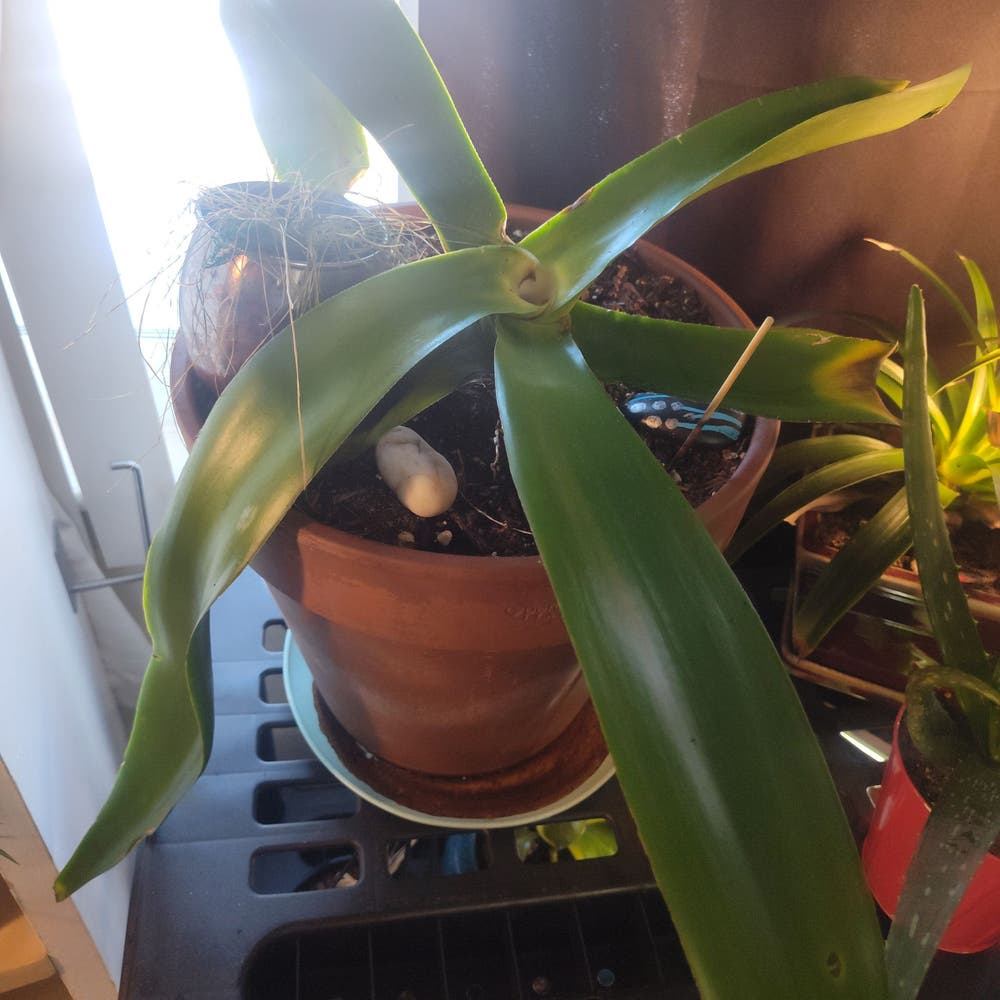
💧 How Do I Know When My Century Plant Needs Water?
Agave americana
By the Greg Editorial Team
Jun 08, 2024•4 min read
This article was created with the help of AI so we can cover more plants for you. May contain errors. See one? Report it here.
Nurture your Century Plant to perfection by spotting the watering signs it's silently showing you. 🌵💦
- Wilting or yellow leaves? Time to water your Century Plant.
- Use finger test/moisture meter to check soil before watering.
- Adjust for seasons: Less in winter, more in spring/summer.
Recognizing When Your Century Plant Needs Water
💧 Visual Cues for Watering
Wilting or drooping leaves are your Century Plant's way of saying, "I'm thirsty!" If you notice a yellow tinge, it's time to grab the watering can. But don't just go on looks alone; consider the plant's growth stage and the environment it's in. A younger plant or one basking in the sun might need more frequent drinks.
🌱 Soil Moisture Assessment Techniques
Feeling the soil is like shaking hands with your plant. Get up close and personal with a finger test—dry soil at an inch deep means water is welcome. For a less messy option, a moisture meter can give you the lowdown without the dirt. Remember, letting the soil dry out between waterings is crucial; think of it as the plant's breathing space.

Best Watering Practices for Century Plants
💧 Soil and Pot Considerations
Well-draining soil is non-negotiable for your Century Plant. It's like giving your plant a pair of breathable sneakers instead of rubber boots; it needs that air flow to prevent root rot. Terracotta pots are your best bet—they're the MVPs of moisture management, letting soil dry out efficiently. Size does matter; too large, and you're swimming in moisture, too small, and your plant's roots will throw a claustrophobic fit. Aim for the Goldilocks zone—a pot that's just right.
💦 Watering Frequency and Quantity
Now, don't go setting up a rainforest for your Century Plant. These guys are more desert dwellers than tropical tourists. Water deeply, but only when the top inch of soil feels like a dry martini—crisp and parched. It's a balancing act; too much water, and you're on a one-way trip to Root Rot City, too little, and you're in Droughtsville. Seasons change, and so should your watering habits; cut back in the winter when your plant's thirst takes a nosedive. Keep it consistent, but not monotonous—like your favorite weekly TV show, not daily reruns.

Environmental Factors Influencing Watering
🌡️ Temperature, Humidity, and Light
Your century plant doesn't need a weatherman to know which way the water flows. Temperature cranks up the plant's thirst. Hotter days? More water. Humidity plays the sidekick, with dry air nudging you to water more, while a muggy atmosphere gives you a break. Light is the spotlight, demanding more water for your plant basking in the full sun than the one chilling in the shade.
🌱 Plant Age and Root Development
Think of your century plant's age like a person's. Younger plants are needy, with roots stretching out for a steady sip. They'll need you to water more often to establish those roots. As for mature plants, their deep, established roots are like a savings account, drawing on water less frequently but in larger amounts. Keep an eye on the growth stage; it's a silent cue for your watering schedule.

Seasonal Adjustments and Acclimation
🌧️ Seasonal Watering Adjustments
As the seasons shift, so should your watering habits. Winter's chill means your century plant's thirst slows down—water less. Think of it as putting your plant on a hydration diet to match its dormant state. Overwatering now could lead to root rot, an unwelcome winter guest.
In contrast, spring and summer are like a green light at a drag race for your plant. It's growing time, so increase watering to support this active period. But keep it balanced; you're aiming for moist, not a swamp.
🌱 Acclimating New Plants
Newly planted century plants need a gentle transition to their new watering schedule. Start with baby steps, using a small cup to deliver just the right amount of water to the roots without going overboard.
Monitor closely and adjust as you learn the ropes of your plant's unique needs. It's a bit like getting to know a new friend—you'll soon figure out what makes them tick. Remember, a consistent watering schedule is key once the plant has settled in.
Keep an eye on the environmental cues—if your indoor air is Sahara-dry or Amazon-humid, tweak your watering to suit. And don't forget, a spin every now and then ensures all sides of your plant get their share of the spotlight.
⚠️ Safety First
This content is for general information and may contain errors, omissions, or outdated details. It is not medical, veterinary advice, or an endorsement of therapeutic claims.
Always consult a qualified healthcare professional before using any plant as food, medicine, or supplement.
Never eat any plant (or feed one to pets) without confirming its identity with at least two trusted sources.
If you suspect poisoning, call Poison Control (800) 222-1222, the Pet Poison Helpline (800) 213-6680, or your local emergency service immediately.
Spotted an error? Please report it here.
Ensure your Century Plant thrives with just the right amount of water by using Greg's 🚿 custom watering reminders tailored to your plant's signals and seasons.