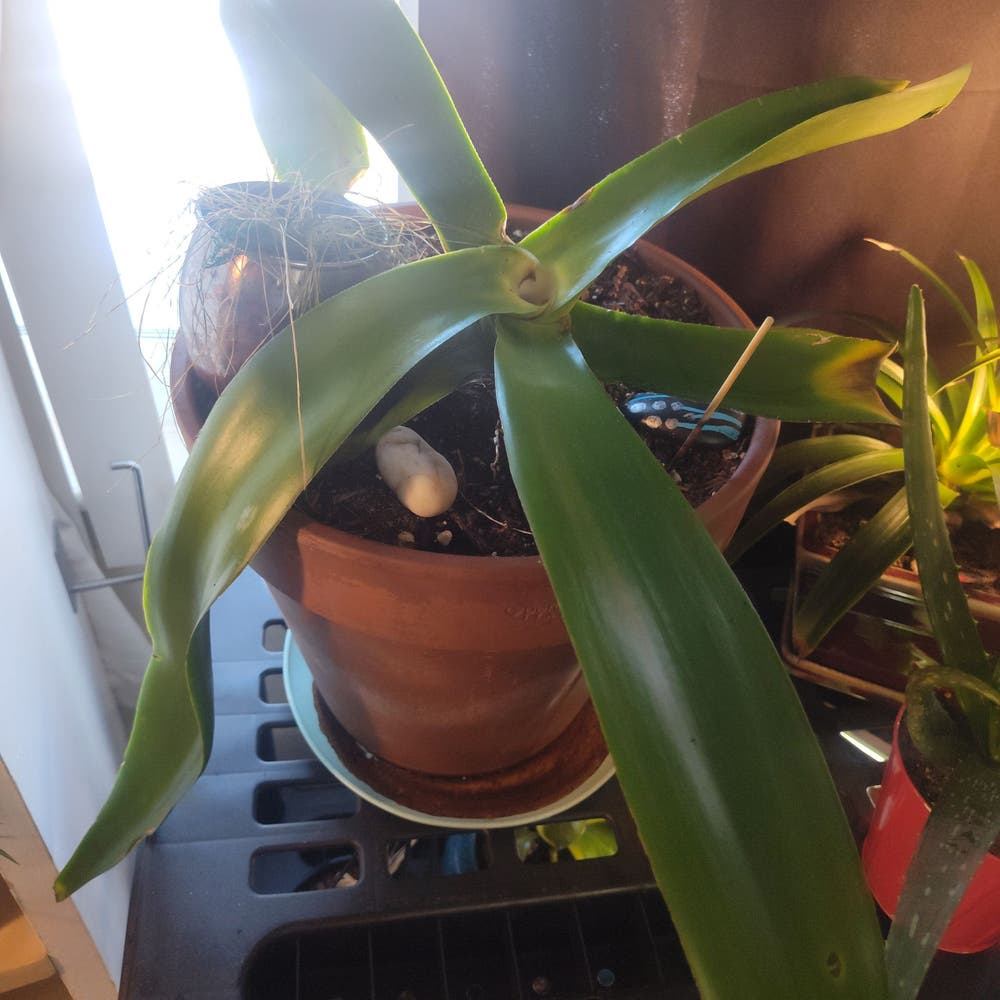
🌵 How to Fix Black Spots on Your Thorn-Crested Century Plant
Agave americana
By the Greg Editorial Team
Sep 29, 2024•6 min read
This article was created with the help of AI so we can cover more plants for you. May contain errors. See one? Report it here.
Revive your thorn-crested century plant 🌱 by mastering diagnosis and treatment for pesky black spots!
- 🌱 Black spots arise from fungal, bacterial infections, or pests; identify the cause.
- 💧 Overwatering leads to black spots; ensure proper drainage and watering schedule.
- 🐛 Early pest detection is key; use neem oil and insecticidal soap for control.
Causes of Black Spots
🦠 Fungal Infections
Fungal infections are a primary culprit behind black spots on your thorn-crested century plant. Common fungi include Alternaria and Botrytis, which thrive in conditions of high humidity and poor air circulation.
To combat these fungi, ensure your plant has adequate airflow and avoid excessive moisture. This will help create an environment less conducive to fungal growth.
🦠 Bacterial Infections
Bacterial infections can also lead to unsightly black spots. Symptoms often present as water-soaked lesions that eventually turn black, signaling a serious issue.
These infections thrive in conditions like overwatering and poor drainage. Monitoring your watering habits is crucial to prevent bacterial outbreaks.
🐛 Pest Infestations
🧼 Mealybugs
Mealybugs are notorious for their cotton-like masses on leaves. These pests suck sap from the plant, leading to weakened growth and vitality.
If you notice these pests, act quickly to prevent further damage. Regular inspections can help catch infestations early.
🐜 Aphids
Aphids leave behind sticky residue and can cause leaves to curl. Their feeding habits stunt growth and can even transmit diseases to your plant.
Keeping an eye out for these signs will help you maintain a healthy plant. Early detection is key to effective pest control.
🌧️ Environmental Stress
💧 Overwatering
Overwatering can lead to yellowing leaves and root rot, both signs that your plant is in distress. It's essential to understand your plant's soil moisture requirements to avoid this issue.
A good rule of thumb is to let the top inch of soil dry out before watering again. This helps maintain a healthy balance.
🚰 Underwatering
On the flip side, underwatering can cause wilting and browning leaf tips. Consistency in your watering schedule is vital for your plant's health.
Make it a habit to check soil moisture regularly. This simple practice can prevent many issues down the line.
☀️ Sunburn and Leaf Scorch
Identifying sunburn is straightforward: look for brown, crispy patches on leaves. This often occurs when your plant is exposed to too much direct sunlight.
To keep your thorn-crested century plant thriving, aim for ideal light conditions. A mix of full sun and partial shade can help protect against leaf scorch.
Understanding these causes will empower you to take proactive steps in maintaining your plant's health. Next, we’ll dive into how to diagnose black spots effectively.
Diagnosis of Black Spots
🕵️♂️ Identifying Black Spots vs. Other Leaf Issues
Black spots on your thorn-crested century plant can vary in size and shape, often appearing as small, dark lesions. It's crucial to differentiate these from other leaf issues like sunburn, which typically presents as crispy, brown patches, or pest damage, characterized by unusual textures or discoloration.
🌱 Assessing Plant Health and Environment
To accurately diagnose the problem, evaluate the overall health of your plant. Look for signs like leaf texture, color vibrancy, and growth patterns, as these can indicate underlying issues.
🐛 Signs of Pest Infestation
Keep an eye out for visual cues of pest infestations, such as sticky residue or webbing. These signs can significantly impact leaf health and the overall condition of your plant, leading to further complications if not addressed promptly.
🔍 Differentiating Between Fungal and Bacterial Spots
Understanding the differences between fungal and bacterial spots is essential for effective treatment. Fungal spots often appear more irregular and can spread rapidly, while bacterial spots may start as water-soaked lesions that eventually turn black.
Accurate diagnosis is key to ensuring your plant receives the right care. By recognizing these signs and symptoms, you can take proactive steps to restore your thorn-crested century plant to its vibrant self. Next, let’s explore effective treatment options to tackle those pesky black spots.
Treatment Options
🌱 Organic Fungicides and Their Application
Organic fungicides are a great first line of defense against fungal infections. Neem oil and sulfur-based products are highly recommended for their effectiveness and safety.
To apply these fungicides, ensure you cover all affected areas of the plant. Aim for a frequency of every 7 to 14 days, especially during humid conditions that promote fungal growth.
⚗️ Chemical Treatments for Severe Infections
For more severe fungal infections, chemical fungicides may be necessary. These can be categorized into systemic and contact types, each with its own application method.
When using chemical treatments, always follow safety precautions. Wear gloves and a mask, and apply them in a well-ventilated area to minimize exposure.
✂️ Manual Removal of Affected Leaves
Sometimes, the best approach is to manually remove affected leaves. Use clean, sharp tools like pruning shears for this task.
After cutting, sterilize your tools with rubbing alcohol to prevent spreading any infection. This simple step can make a significant difference in your plant's recovery.
🐞 Pest Control Methods
🧼 Insecticidal Soap
Insecticidal soap is an effective solution for common pests like mealybugs and aphids. To prepare it, mix a few tablespoons of soap with water in a spray bottle.
Apply the solution directly onto the pests, ensuring thorough coverage. This method is not only easy but also safe for your plants.
🌿 Neem Oil
Neem oil is another powerful ally in pest control. It disrupts the life cycle of pests and is effective against a variety of insects.
For application, mix neem oil with water according to the instructions on the label. Spray it on your plants every 7 to 14 days for optimal results.
By employing these treatment options, you can effectively combat black spots and keep your thorn-crested century plant thriving. Transitioning to prevention strategies will further enhance your plant's health and resilience.
Prevention Strategies
Proper Watering Techniques 🌊
Establishing a consistent watering schedule is crucial for your thorn-crested century plant. Aim to water it deeply once a week, allowing the top inch of soil to dry out between sessions.
Be vigilant for signs of overwatering, such as yellowing leaves and root rot. Conversely, underwatering can lead to wilting and browning leaf tips, so keep an eye on soil moisture levels.
Ideal Light Conditions ☀️
Your plant thrives in full sun but can tolerate partial shade. Adjust its light exposure based on seasonal changes to ensure it receives adequate sunlight year-round.
Monitor how your plant responds to different light conditions, as too much direct sunlight can lead to leaf scorch.
Soil Requirements and Drainage 🪴
Well-draining soil is essential for preventing root rot and other issues. A recommended soil mix includes equal parts potting soil, perlite, and coarse sand to promote drainage.
Ensure your pot has drainage holes to allow excess water to escape, keeping the roots healthy and happy.
Regular Inspection and Maintenance 🔍
Conduct weekly inspections to catch any signs of pests or diseases early. Look for visual cues like sticky residue or webbing that may indicate an infestation.
Early detection is key to preventing severe issues, so make it a habit to check your plant regularly. This proactive approach can save you time and effort in the long run.
By implementing these prevention strategies, you can maintain a healthy thorn-crested century plant and enjoy its beauty for years to come. Next, let’s explore how to diagnose black spots effectively.
⚠️ Safety First
This content is for general information and may contain errors, omissions, or outdated details. It is not medical, veterinary advice, or an endorsement of therapeutic claims.
Always consult a qualified healthcare professional before using any plant as food, medicine, or supplement.
Never eat any plant (or feed one to pets) without confirming its identity with at least two trusted sources.
If you suspect poisoning, call Poison Control (800) 222-1222, the Pet Poison Helpline (800) 213-6680, or your local emergency service immediately.
Spotted an error? Please report it here.
Keep your thorn-crested century plant thriving 🌿 by using Greg's tailored watering reminders and pest control tips to combat black spots and enhance its resilience!