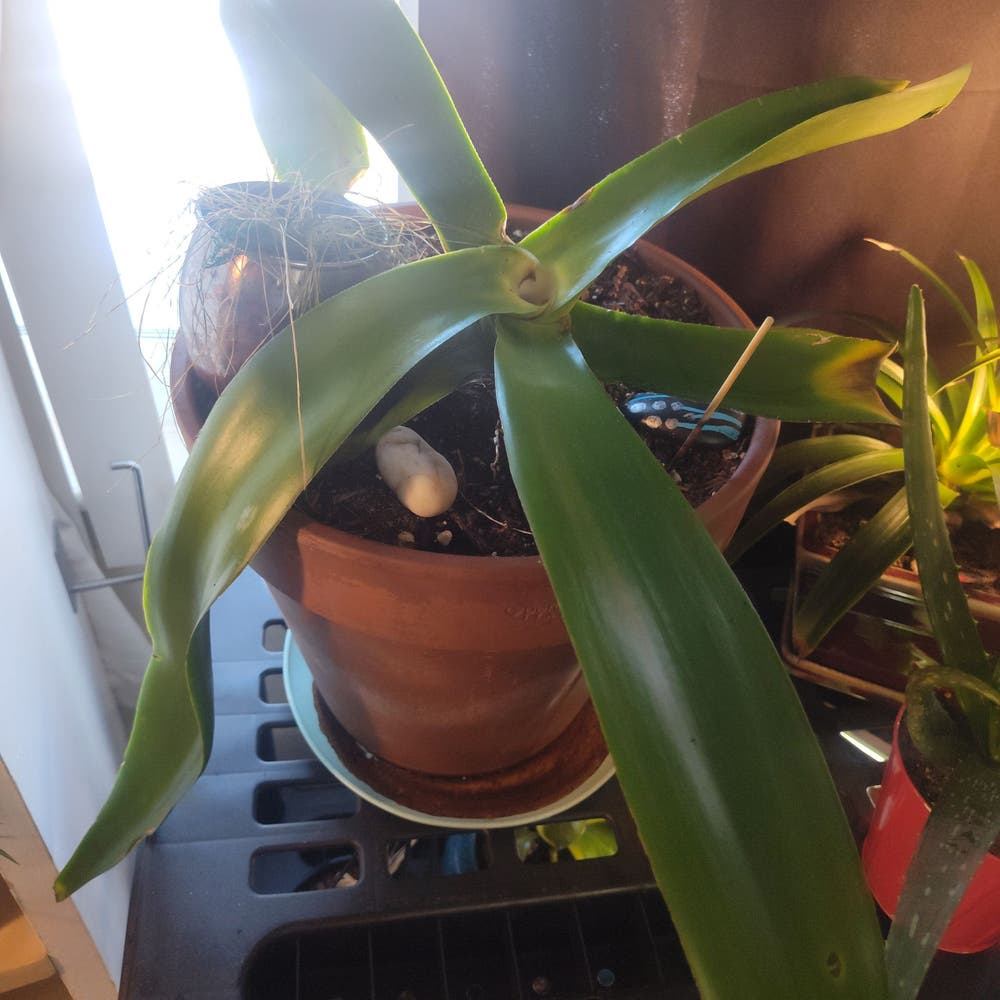
🌵 Why Your Thorn-Crested Century Plant Has Yellow Leaves
Agave americana
By the Greg Editorial Team
Sep 29, 2024•5 min read
This article was created with the help of AI so we can cover more plants for you. May contain errors. See one? Report it here.
Revive your yellowing thorn-crested century plant with these expert care tips! 🌱
- 🌊 Overwatering and underwatering both cause yellow leaves; balance is key!
- 🌱 Nutrient deficiencies like nitrogen lead to yellowing; use balanced fertilizer regularly.
- 🐛 Pests like mealybugs can yellow leaves; inspect plants to prevent infestations.
Causes of Yellow Leaves
💧 Overwatering and Its Effects
Overwatering is a common issue that can lead to yellow leaves on your thorn-crested century plant. Symptoms include yellowing leaves, particularly those at the bottom, and a soft, mushy texture.
Inspecting the roots can reveal root rot, characterized by dark, mushy roots. To prevent this, ensure your soil has excellent drainage; a mix of 50% potting soil and 50% perlite or sand is ideal for Agave species.
🚰 Underwatering and Its Symptoms
Conversely, underwatering can also cause yellowing. Signs include leaf curling or wilting, along with dry, crispy edges on the leaves.
To maintain proper hydration, allow the soil to dry out completely between waterings. A good rule of thumb is to water every 2-3 weeks during the growing season.
🥦 Nutrient Deficiencies
Nitrogen Deficiency
A lack of nitrogen manifests as general yellowing of older leaves and stunted growth. To remedy this, use a balanced NPK fertilizer (10-10-10) during the growing season.
Magnesium Deficiency
Magnesium deficiency presents as yellowing between leaf veins, known as interveinal chlorosis, along with leaf curling. Applying Epsom salt—1 tablespoon per gallon of water monthly—can help restore magnesium levels.
🐛 Pest Infestations
Mealybugs
Mealybugs can wreak havoc on your plant, showing up as cotton-like masses on leaves and stems. This infestation often leads to yellowing and wilting leaves.
To control mealybugs, apply neem oil or insecticidal soap. Regular checks can help catch these pests early.
Aphids
Aphids are small, green or black insects that typically hide on the undersides of leaves. They leave behind a sticky residue known as honeydew, which can also cause yellowing.
Rinsing the affected areas with water can help, as can introducing beneficial insects like ladybugs to keep aphid populations in check.
🌡️ Environmental Stress
Temperature
Your thorn-crested century plant thrives in temperatures between 60°F to 80°F (15°C to 27°C). Extreme heat or cold can lead to yellowing leaves, signaling stress.
Humidity
These plants prefer low humidity levels. High humidity can lead to fungal issues, resulting in yellowing and drooping leaves.
☀️ Sunburn and Light Exposure Issues
Sunburn can occur if your plant is exposed to too much direct sunlight. Signs include brown, crispy leaf tips or edges, along with yellowing leaves.
While your plant needs full sun for 6-8 hours daily, it may require protection from intense afternoon rays to prevent sunburn.
Understanding these causes can help you diagnose and address yellow leaves effectively. Next, we'll explore solutions to restore your plant's health and vibrancy.
Solutions for Yellow Leaves
🌊 Adjusting Watering Practices
Establishing a consistent watering schedule is crucial for your Thorn-Crested Century Plant. Always check the soil moisture before watering; a moisture meter can help ensure accuracy.
🌱 Fertilization Tips for Nutrient Deficiencies
To combat nutrient deficiencies, apply a balanced fertilizer every 4-6 weeks during the growing season. Slow-release fertilizers are ideal for providing sustained nutrient availability.
🐞 Pest Control Methods
Regular inspections are key to keeping pests at bay. Check under leaves and at leaf joints for any signs of infestation.
For treatment, consider using neem oil or insecticidal soap as preventive measures. These options are effective and eco-friendly.
☀️ Environmental Adjustments
Light
If your plant shows signs of sunburn, adjust its light exposure. Moving it to a location with filtered light can help mitigate damage.
Temperature
Maintaining an optimal temperature is essential for plant health. Use shade cloths during extreme heat and consider moving your plant indoors during cold snaps to protect it.
By implementing these solutions, you can help your Thorn-Crested Century Plant thrive and regain its vibrant color. Next, let’s explore preventative measures to keep your plant healthy year-round.
Preventative Measures
Best Practices for Watering 💧
Watering your Thorn-Crested Century Plant requires a thoughtful approach. Aim to water deeply but infrequently, allowing the soil to dry out completely between sessions.
Ensure your pots have drainage holes. This simple step prevents water from pooling and causing root rot.
Soil Selection and Drainage Tips 🌱
Choosing the right soil is crucial for your plant's health. A cactus mix or a homemade blend of perlite and sand works wonders for drainage.
Don't underestimate the importance of pot size. Using pots with adequate drainage helps prevent root rot and promotes healthy growth.
Regular Inspection for Pests 🔍
Regular checks can save your plant from pest infestations. Inspect your Thorn-Crested Century Plant bi-weekly for any early signs of trouble.
A magnifying glass can be a handy tool for detailed examinations. It helps you spot pests that might otherwise go unnoticed.
Seasonal Care Adjustments 🌦️
Adjusting your care routine with the seasons is essential. In winter, reduce watering to prevent over-saturation.
As spring arrives, increase light exposure to support new growth. Your plant will thank you for the extra attention!
These preventative measures will help keep your Thorn-Crested Century Plant thriving. Next, let’s explore how to monitor your plant's health effectively.
Monitoring Plant Health
🌱 Signs of Recovery
When your thorn-crested century plant starts to bounce back, you'll notice a few key indicators. Look for new growth emerging and a return of vibrant leaf color, signaling that your care efforts are paying off.
🆘 When to Seek Professional Help
Sometimes, despite your best efforts, the yellowing persists. If you see ongoing yellow leaves even after making adjustments, or if pest infestations become severe and unmanageable, it may be time to consult a professional.
📅 Importance of Consistent Care
Establishing a consistent care routine is crucial for your plant's health. Regularly watering, fertilizing, and monitoring for pests will keep your plant thriving.
Consider keeping a plant care journal to track changes and adjustments. This simple practice can help you identify what works best for your plant and ensure it stays healthy and vibrant.
As you monitor your plant's health, remember that patience is key. With the right care, your thorn-crested century plant can flourish, leading to a rewarding gardening experience.
⚠️ Safety First
This content is for general information and may contain errors, omissions, or outdated details. It is not medical, veterinary advice, or an endorsement of therapeutic claims.
Always consult a qualified healthcare professional before using any plant as food, medicine, or supplement.
Never eat any plant (or feed one to pets) without confirming its identity with at least two trusted sources.
If you suspect poisoning, call Poison Control (800) 222-1222, the Pet Poison Helpline (800) 213-6680, or your local emergency service immediately.
Spotted an error? Please report it here.
Revive your thorn-crested century plant's vibrant leaves 🌿 by using Greg's tailored watering reminders and pest control tips to ensure it thrives in your care!