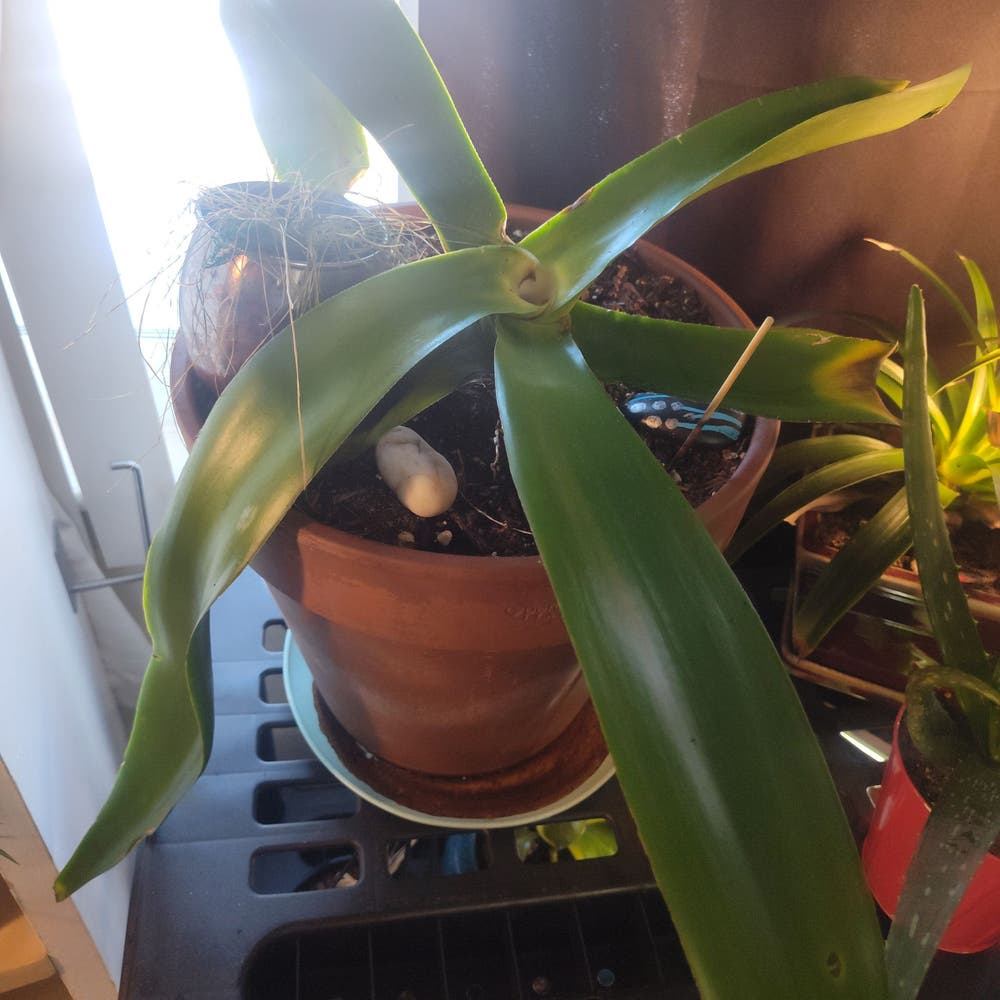
🌵 Thorn-Crested Century Plant Leaves Curling
Agave americana
By the Greg Editorial Team
Sep 29, 2024•5 min read
This article was created with the help of AI so we can cover more plants for you. May contain errors. See one? Report it here.
Transform your Thorn-Crested Century Plant's health by mastering the art of preventing and treating leaf curling! 🌿
- 💧🌵 Leaf curling results from overwatering or underwatering; balance is key!
- 🐛 Inspect regularly for pests like agave weevils to prevent leaf damage.
- 🌡️ Maintain temperatures between 70°F and 90°F for optimal plant health.
Causes of Leaf Curling
💧 Watering Issues
Overwatering
Overwatering is a common culprit behind curling leaves. Signs include yellowing leaves and a mushy texture, indicating that the roots are drowning.
The consequences can be severe, leading to root rot, which ultimately causes the leaves to curl and drop. It's crucial to monitor your watering habits to prevent this issue.
Underwatering
On the flip side, underwatering can also lead to leaf curling. Look for dry, crispy edges on the leaves as a telltale sign of insufficient moisture.
When a plant doesn’t receive enough water, it experiences stress, which manifests in the form of curled leaves. Finding the right balance is key.
🐛 Pest Infestations
Common Pests
Pests can wreak havoc on your Thorn-Crested Century Plant. The agave weevil is notorious for creating holes in leaves and causing wilting.
Mealybugs are another threat, often appearing as cotton-like masses on leaf axils. Regular inspections can help catch these pests early.
🌱 Nutrient Deficiencies
Key Nutrients and Their Roles
Nutrient deficiencies can also lead to curling leaves. Nitrogen is essential for leaf growth; a deficiency will result in yellowing leaves.
Potassium plays a critical role in water regulation. Without enough potassium, leaves may curl as the plant struggles to maintain moisture.
🌡️ Environmental Stress
Temperature and Humidity
Environmental factors can significantly impact your plant's health. Ideal conditions range from 70°F to 90°F (21°C to 32°C).
Extreme temperatures can lead to leaf curl, whether from heat stress or frost. Keeping your plant in a stable environment is essential for its well-being.
☀️ Sunlight Exposure
Sunlight exposure is another critical factor. Your plant thrives in full sun, requiring 6-8 hours of direct light daily.
If it receives too much sun, you may notice brown, crispy tips and edges on the leaves, indicating sunburn. Proper placement can prevent this issue.
Understanding these causes of leaf curling is vital for maintaining a healthy Thorn-Crested Century Plant. Next, we’ll explore how to diagnose these issues effectively.
Diagnosing Leaf Curling
🌊 Identifying Signs of Overwatering
Overwatering can be a sneaky culprit behind leaf curling. Look for symptoms like leaf discoloration, a mushy texture, and even a foul odor emanating from the soil.
🐛 Recognizing Pest Damage
Pests can wreak havoc on your Thorn-Crested Century Plant. Conduct a visual inspection to spot any pests or signs of damage on the leaves, such as holes or wilting.
🧪 Assessing Nutrient Levels in Soil
Nutrient deficiencies can also lead to curling leaves. Use soil testing kits to check nutrient levels and pH, ensuring your plant gets what it needs to thrive.
🌡️ Evaluating Environmental Conditions
Environmental factors play a crucial role in plant health. Use a thermometer and hygrometer to check temperature and humidity levels, and monitor sunlight exposure throughout the day to ensure your plant is getting optimal light.
By diagnosing these issues early, you can take action to restore your plant's health and prevent further curling. Next, let’s explore effective treatment methods to bring your Thorn-Crested Century Plant back to its vibrant self.
Treating Curling Leaves
🌊 Adjusting Watering Practices
Determine Current Watering Schedule: Start by assessing how often and how much you water your Thorn-Crested Century Plant. This is crucial for understanding its needs.
Adjust Based on Soil Moisture: Allow the top 2 inches of soil to dry out before watering again. This prevents overwatering, which can lead to root rot.
Use Well-Draining Pots: Ensure your pots have drainage holes. This allows excess water to escape, keeping the roots healthy.
🐛 Pest Control Methods
Organic Options
Neem Oil: Apply neem oil every 7-14 days to combat pests. Spray it directly on affected areas for best results.
Insecticidal Soap: Use insecticidal soap as a gentle yet effective treatment. Apply it thoroughly to the leaves, especially where pests are visible.
Chemical Options
- Recommended Pesticides: Look for pesticides with active ingredients like pyrethrin or imidacloprid. Follow the application guidelines carefully to ensure safety and effectiveness.
🌱 Nutrient Supplementation
Identify Nutrient Deficiencies: Check for symptoms like yellowing leaves or stunted growth. Soil tests can help pinpoint specific deficiencies.
Select Appropriate Fertilizers: Choose a balanced NPK fertilizer or specific nutrient amendments based on your plant's needs. This will support healthy growth.
Application Methods: Incorporate fertilizers into the soil according to package instructions. This ensures nutrients reach the roots effectively.
🌤️ Environmental Adjustments
Creating Optimal Conditions
Temperature Control: Maintain ideal temperatures by using shade cloths during hot days or heaters in colder months. This protects your plant from extreme conditions.
Humidity Management: Mist the leaves regularly or use humidity trays to create a more favorable environment. This helps alleviate stress and promotes healthy growth.
By addressing these areas, you can effectively treat curling leaves and restore your Thorn-Crested Century Plant to its vibrant self. Next, let’s explore how to prevent leaf curling in the first place.
Preventing Leaf Curling
Best Practices for Watering 🌊
Establishing a consistent watering schedule is crucial. Water your Thorn-Crested Century Plant when the topsoil feels dry to the touch.
Using the Greg plant care app can help you stay on track. Set reminders to ensure your plant gets the hydration it needs.
Regular Pest Inspections and Treatments 🐜
Inspect your plant for pests every 2-4 weeks. Early detection is key; take immediate action if you notice any signs of infestation.
Soil Health Maintenance 🌱
Regular soil testing is essential for maintaining plant health. Aim to test your soil every 6-12 months to monitor nutrient levels.
Consider adding organic matter to improve soil structure. This not only enhances nutrient retention but also promotes healthy root growth.
Seasonal Care Tips 🌦️
Adjust your care routine based on the seasons. Changes in watering and fertilization can significantly impact your plant's health.
Prepare for extreme weather conditions by protecting your plant. Use frost cloths or shade covers to shield it from harsh temperatures.
By following these preventive measures, you can keep your Thorn-Crested Century Plant thriving and free from leaf curling. Next, let’s explore how to diagnose leaf curling effectively.
⚠️ Safety First
This content is for general information and may contain errors, omissions, or outdated details. It is not medical, veterinary advice, or an endorsement of therapeutic claims.
Always consult a qualified healthcare professional before using any plant as food, medicine, or supplement.
Never eat any plant (or feed one to pets) without confirming its identity with at least two trusted sources.
If you suspect poisoning, call Poison Control (800) 222-1222, the Pet Poison Helpline (800) 213-6680, or your local emergency service immediately.
Spotted an error? Please report it here.
Keep your Thorn-Crested Century Plant curl-free 🌱 by using Greg's tailored reminders for watering and pest checks to ensure it thrives in its ideal environment!