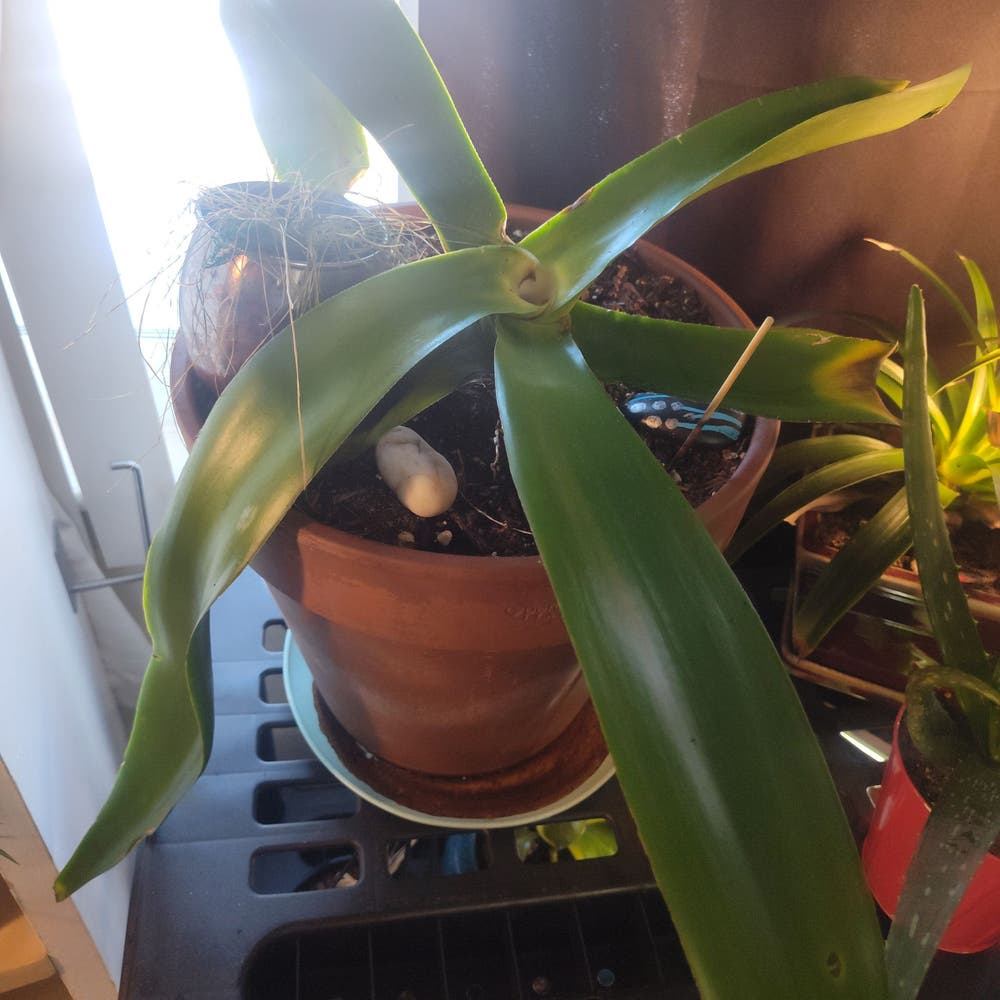
Top 3 Tips to Prevent Your Century Plant Wilting 💧
Agave americana
By the Greg Editorial Team
Sep 30, 2024•5 min read
This article was created with the help of AI so we can cover more plants for you. May contain errors. See one? Report it here.
Transform your wilting Century Plant into a thriving beauty with essential care tips and expert advice! 🌿
- 💧 Water stress from over or underwatering causes Century Plant wilting.
- ☀️ Extreme heat leads to wilting; provide shade and monitor temperatures.
- 🌱 Check soil moisture regularly to maintain optimal hydration and prevent wilting.
Common Causes of Wilting Leaves
💧 Water Stress
Water stress is a leading cause of wilting in Century Plants.
Overwatering can manifest as yellowing leaves and a mushy texture, signaling that the roots are drowning. Conversely, underwatering results in drooping leaves with dry, crispy edges, indicating that your plant is thirsty.
🌡️ Heat Stress
Extreme heat can also take a toll on your Century Plant.
When temperatures soar, leaves may curl or droop as a protective response. Additionally, sunburn can occur, evident through brown tips or patches on leaves, signaling excessive sun exposure.
🦠 Disease-Related Wilting
While less common, disease-related wilting can affect Century Plants.
Pathogenic wilt is rare, but if it occurs, you might notice a general decline in vigor. However, it's essential to remember that water and heat stress are far more likely culprits for wilting leaves.
Understanding these causes is crucial for effective plant care. Next, we’ll delve into diagnosing wilting to help you pinpoint the issue accurately.
Diagnosing Wilting
Step-by-Step Guide 🌱
Diagnosing wilting in your Century Plant starts with assessing soil moisture. Use your finger to check the top 2 inches of soil; if it feels dry, your plant may need water.
Next, observe the leaf condition. Look for signs like discoloration, texture changes, or curling, which can indicate stress.
Environmental Conditions 🌤️
Check the environmental conditions around your plant. Note the temperature and humidity levels, as these factors can significantly impact your plant's health.
Finally, evaluate your watering schedule. Review how often and how much water you give your plant to ensure it meets its needs.
Signs to Look For 👀
Keep an eye out for yellowing or browning tips on the leaves. These can signal both overwatering and underwatering issues.
Drooping or curling leaves are also key indicators of stress. Additionally, assess the texture: a soft, mushy feel suggests overwatering, while dry, crispy edges point to underwatering.
By carefully diagnosing these signs, you can take the necessary steps to revive your Century Plant and prevent future wilting. Next, let’s explore actionable solutions to address these issues effectively.
Solutions for Wilting
Actionable Advice for Water Stress 🌊
When it comes to overwatering, the key is to let the soil dry out completely before you water again. This helps prevent yellowing leaves and that dreaded mushy texture.
For underwatering, give your plant a good soak until moisture drains from the bottom. This ensures the roots get the hydration they need to thrive.
Actionable Advice for Heat Stress ☀️
To combat heat stress, provide shade during peak sun hours. A simple shade cloth or relocating the plant can make a world of difference.
Also, ensure adequate airflow around your Century Plant. Positioning it in a well-ventilated area helps keep temperatures down and promotes healthy growth.
Actionable Advice for Disease-Related Wilting 🦠
If you suspect disease-related wilting, the first step is to isolate affected plants. This prevents any potential spread to your other plants.
Next, consult a plant expert for diagnosis and treatment options. Getting professional advice can save your plant and give you peace of mind.
By addressing these issues promptly, you can help your Century Plant bounce back and flourish. Now, let’s explore some preventive measures to keep your plant healthy in the long run.
Preventive Measures
Tips to Minimize Future Wilting 🌱
Establishing a consistent watering schedule is crucial. Water your Century Plant when the top 2 inches of soil feel dry to the touch.
Additionally, keep an eye on environmental conditions. Monitoring temperature and humidity can help you catch potential issues before they escalate.
Environmental Adjustments 🌞
Using well-draining soil is essential for preventing root rot. This ensures that excess water can escape, keeping your plant healthy.
Positioning your Century Plant in optimal light is equally important. Aim for full sun exposure for at least 6 hours daily to promote vigorous growth.
By implementing these preventive measures, you can significantly reduce the risk of wilting in your Century Plant. Next, let’s explore effective solutions for reviving a wilted plant.
Reviving a Wilted Plant
Techniques for Bottom Watering 🌊
Bottom watering is a fantastic method to revive a wilted Century Plant. Simply fill a basin with water and place the pot inside, allowing the plant to absorb moisture from the bottom.
Keep an eye on the water levels; it's crucial that the pot doesn't sit in water for too long. This technique encourages healthy root growth and prevents overwatering.
Relocation Strategies 🏡
If you suspect heat stress, consider relocating your plant to a cooler, shaded area. This simple move can make a significant difference in its recovery.
When adjusting light conditions, do so gradually. Sudden changes can shock your plant, hindering its revival.
Pruning Damaged Leaves ✂️
Pruning is essential for a healthy recovery. Use clean, sharp scissors to cut away any dead or severely damaged leaves, promoting new growth.
Dispose of the cuttings properly to prevent any potential disease spread. This small step can help ensure your plant thrives moving forward.
Reviving a wilted plant requires attention and care, but with the right techniques, your Century Plant can bounce back beautifully. Next, let’s explore when it’s time to seek expert help for persistent issues.
When to Seek Help
🚨 Signs That Require Expert Assistance
If your Century Plant shows persistent wilting despite your best care efforts, it may signal underlying disease or root issues. Unusual leaf discoloration or texture changes are also red flags that warrant professional diagnosis.
🛠️ Resources for Assistance
Local nurseries can be a treasure trove of knowledge. Their staff often have firsthand experience and can provide tailored advice for your specific situation.
Online communities are another great resource. Engaging with fellow plant enthusiasts can offer support, tips, and shared experiences that might just save your plant.
Recognizing when to seek help is crucial for your plant's health. Don't hesitate to reach out; your Century Plant deserves the best care possible!
⚠️ Safety First
This content is for general information and may contain errors, omissions, or outdated details. It is not medical, veterinary advice, or an endorsement of therapeutic claims.
Always consult a qualified healthcare professional before using any plant as food, medicine, or supplement.
Never eat any plant (or feed one to pets) without confirming its identity with at least two trusted sources.
If you suspect poisoning, call Poison Control (800) 222-1222, the Pet Poison Helpline (800) 213-6680, or your local emergency service immediately.
Spotted an error? Please report it here.
Keep your Century Plant thriving 🌞 by using Greg's tailored watering reminders and expert tips to prevent wilting and ensure it gets the care it deserves!