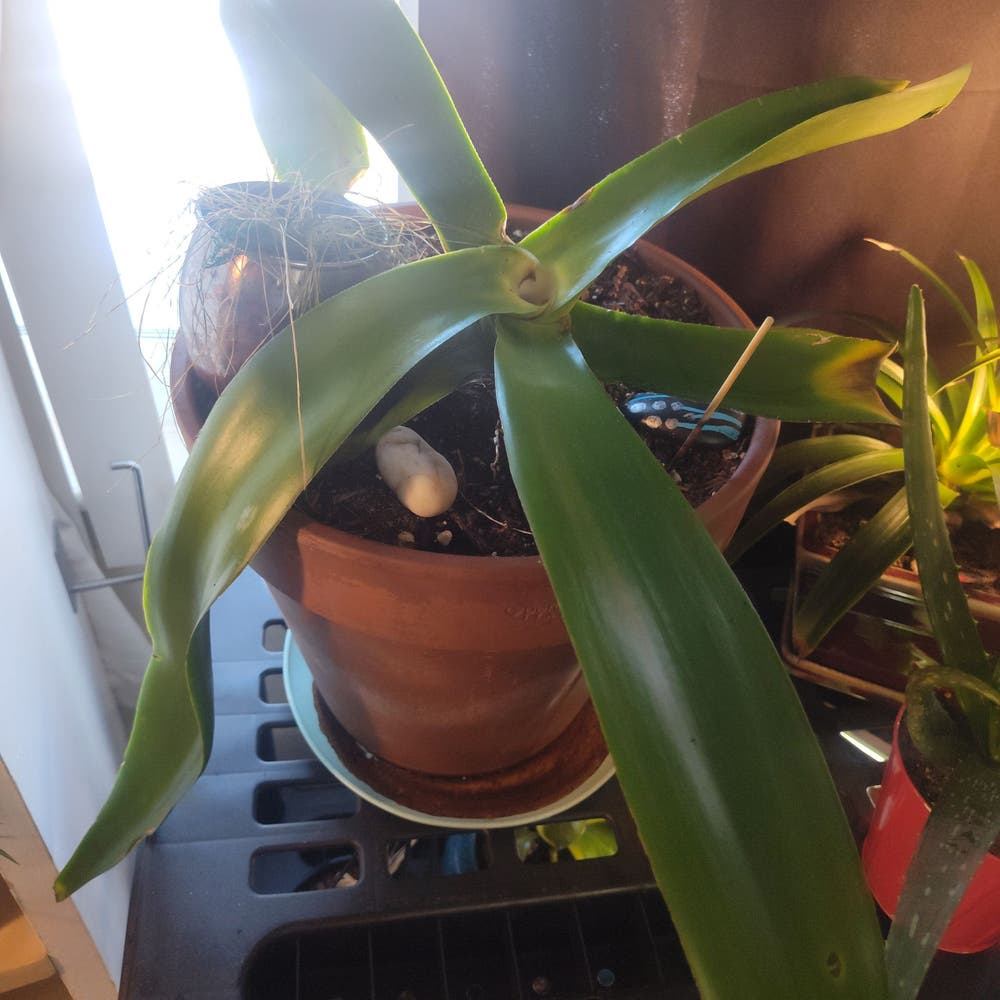
Best Tips for Dealing with Leaves Falling Over on Maguey 🌵
Agave americana
By the Greg Editorial Team
Oct 09, 2024•4 min read
This article was created with the help of AI so we can cover more plants for you. May contain errors. See one? Report it here.
Unlock vibrant Maguey health 🌱 with essential care tips to thrive through every season and challenge!
- 💧 Overwatering causes yellow leaves and root rot; underwatering leads to drooping.
- 🌞 Full sun and well-draining soil are vital for Maguey health.
- 🐛 Regular inspections and treatments prevent pest infestations on Maguey.
Diagnosing the Problem
🌊 Signs of Overwatering vs. Underwatering
Understanding the signs of overwatering and underwatering is crucial for your Maguey’s health.
Overwatering indicators include yellowing leaves, root rot, and a foul smell emanating from the soil. If you notice these signs, it’s time to reassess your watering habits.
On the flip side, underwatering indicators manifest as leaf droop, dry leaf tips, and overall wilting. If your Maguey looks sad and droopy, it might be thirsty!
🥦 Identifying Nutrient Deficiencies
Nutrient deficiencies can also lead to leaf issues.
Nitrogen deficiency typically shows as yellowing of older leaves and stunted growth. If your plant isn’t thriving, check for this sign.
Potassium deficiency can be identified by browning leaf edges and poor leaf development. This nutrient is vital for overall plant health.
Lastly, magnesium deficiency presents as interveinal chlorosis, where the area between leaf veins turns yellow. This can be a red flag for your Maguey.
🐛 Recognizing Pest Infestations
Pests can wreak havoc on your Maguey if not caught early.
Start with a visual inspection of the undersides of leaves. This is where pests often hide.
Look for sticky residue on leaves, which indicates the presence of aphids or mealybugs. This honeydew can be a telltale sign of trouble.
Finally, check for leaf damage such as wilting or distorted leaves. These symptoms often signal pest stress that needs immediate attention.
By diagnosing these issues early, you can take the necessary steps to restore your Maguey to its vibrant self. Next, let’s explore effective treatment solutions to address these problems.
Treatment Solutions
How to Adjust Watering Practices 🌧️
Adjusting your watering practices is crucial for the health of your Maguey.
- Assess soil moisture: Use a moisture meter or simply stick your finger into the soil to check its dampness.
- Adjust frequency: Depending on the season, you may need to increase or decrease your watering schedule.
- Drainage solutions: Ensure your pots have drainage holes. If water tends to pool, consider repotting your Maguey into a container that allows for better drainage.
Fertilization Techniques to Strengthen Leaves 🌱
Fertilization plays a key role in promoting robust leaf growth.
- Type of fertilizer: Opt for a balanced, slow-release fertilizer during the growing season to provide essential nutrients.
- Application frequency: Fertilize every 4-6 weeks in spring and summer to keep your plant thriving.
- Dosage: Always follow the package instructions for specific measurements to avoid over-fertilizing.
Pest Control Methods for Maguey 🐞
Pest control is essential for maintaining the health of your Maguey.
- Manual removal: Regularly wipe pests off the leaves with a damp cloth to keep infestations at bay.
- Insecticidal soap: Apply insecticidal soap according to the instructions for effective pest management.
- Neem oil: Use neem oil as an organic treatment for infestations, following the guidelines for application.
By implementing these treatment solutions, you can ensure your Maguey remains healthy and vibrant. Next, let’s explore how seasonal care considerations can further enhance your plant's well-being.
Seasonal Care Considerations
🌱 Seasonal Changes and Their Impact on Maguey
Spring is a time of rejuvenation for your Maguey. As growth resumes, increase watering and fertilization to support new leaf development.
In summer, keep a watchful eye for pests. Ensure your plant receives adequate sunlight to thrive during these warmer months.
As fall approaches, gradually reduce watering. This helps your Maguey prepare for the cooler temperatures ahead.
Winter requires special attention. Protect your plant from frost and significantly cut back on watering to prevent root issues.
☔️ Adjusting Care Routines Based on Weather Conditions
During rainy seasons, it's crucial to reduce watering frequency. This helps prevent root rot, a common issue in overly wet conditions.
In hot, dry spells, increase your watering routine. Always check for signs of stress, like drooping leaves, to ensure your Maguey stays healthy and vibrant.
By adjusting your care based on seasonal changes and weather conditions, you can keep your Maguey thriving year-round. Next, let’s explore some common misconceptions about Maguey leaf health.
Common Misconceptions
🌱 Myths About Maguey Leaf Health
One common myth is that Maguey doesn't need much water. While it's true that Maguey is drought-tolerant, it still requires a consistent watering schedule to thrive.
Another misconception is that all pests are harmless. In reality, some pests can severely impact leaf health if not managed promptly.
🧑🌾 Clarifying Care Practices for Maguey
Understanding the importance of sunlight is crucial for Maguey care. Full sun exposure is vital for optimal leaf health and growth.
Additionally, soil requirements cannot be overlooked. Well-draining soil is essential to prevent common Maguey plant problems, ensuring your plant stays healthy and vibrant.
As you navigate these misconceptions, remember that proper care leads to a flourishing Maguey. Next, we’ll explore seasonal care considerations to keep your plant thriving year-round.
⚠️ Safety First
This content is for general information and may contain errors, omissions, or outdated details. It is not medical, veterinary advice, or an endorsement of therapeutic claims.
Always consult a qualified healthcare professional before using any plant as food, medicine, or supplement.
Never eat any plant (or feed one to pets) without confirming its identity with at least two trusted sources.
If you suspect poisoning, call Poison Control (800) 222-1222, the Pet Poison Helpline (800) 213-6680, or your local emergency service immediately.
Spotted an error? Please report it here.
Keep your Maguey thriving 🌱 by using Greg's tailored watering and nutrient reminders to prevent drooping leaves and ensure robust growth all year round!