How to Manage Maguey Weeds 🌿
Agave americana
By the Greg Editorial Team
Oct 09, 2024•6 min read
This article was created with the help of AI so we can cover more plants for you. May contain errors. See one? Report it here.
Learn how managing Maguey protects ecosystems and boosts sustainable agriculture! 🌱🌾
- 🌱 Maguey weeds compete fiercely with crops, threatening agricultural productivity and biodiversity.
- 🔍 Identify Maguey by its long, spiny leaves and tall flower spikes up to 15 feet.
- ⚔️ Effective management combines manual removal, herbicides, and planting competitive native species.
Plant Classification
Definition of Weeds and Invasive Species 🌱
Weeds are unwanted plants that invade cultivated areas, competing fiercely with crops for resources. Invasive species, on the other hand, are non-native plants that spread aggressively, often disrupting local ecosystems and outcompeting native flora.
Criteria for Classifying Maguey as a Weed 🌾
Maguey is classified as a weed due to its rapid spread, allowing it to colonize new areas quickly. Its competitive nature enables it to outcompete native plants for vital resources like water and nutrients.
Moreover, Maguey significantly impacts local ecosystems by altering habitats and reducing biodiversity. This ecological disruption highlights the importance of managing its growth effectively.
Understanding these classifications is crucial for anyone involved in agriculture or land management, as it informs strategies for control and prevention.
Identification
Key Identifying Features 🌿
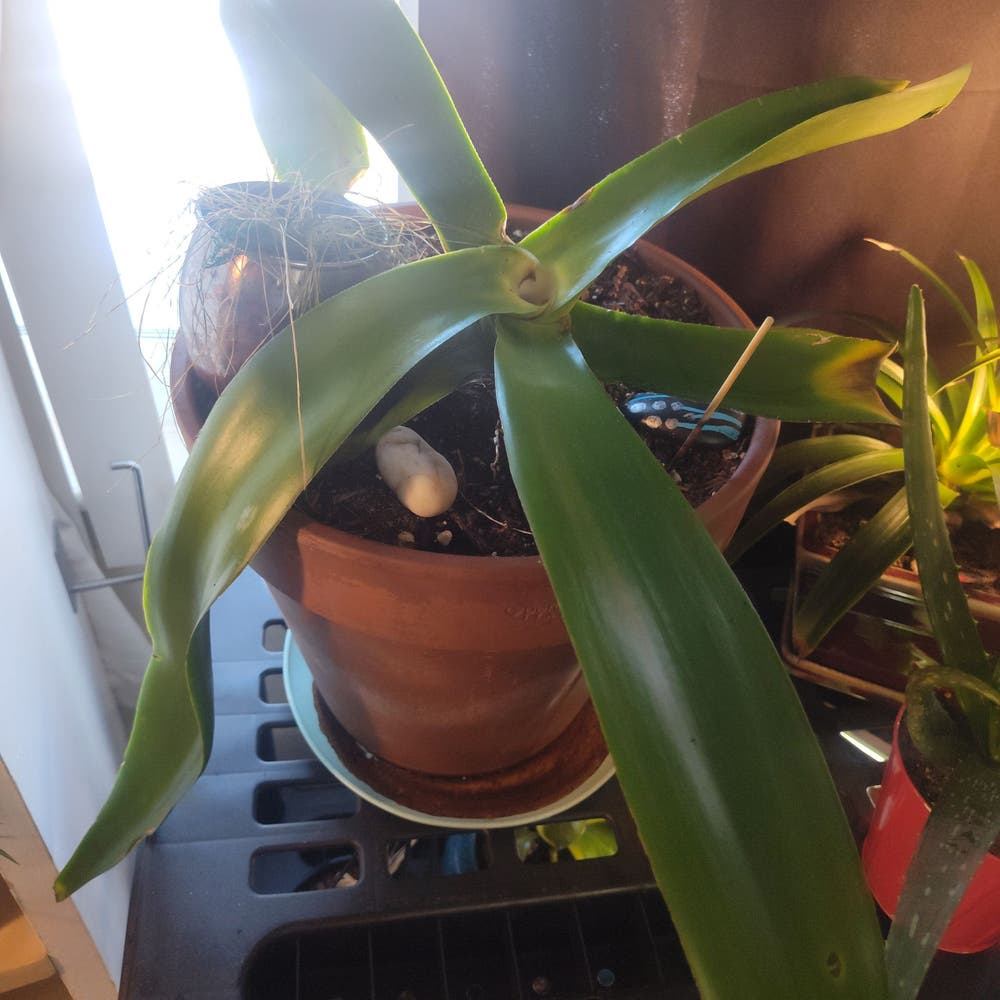
Maguey is easily recognized by its rosette growth form, characterized by long, spiny leaves. These leaves can grow up to 6 feet in length and have sharp margins that can deter curious hands.
When it comes to flowering, Maguey produces a striking tall flower spike that can reach heights of 15 feet. This impressive display makes it stand out in any landscape, but it also signals its potential invasiveness.
Distinguishing from Look-Alike Plants 🔍
Identifying Maguey among similar species requires a keen eye. Focus on the leaf shape and size; Maguey leaves are broader and more rigid compared to its look-alikes.
Additionally, pay attention to growth habits. While some plants may share a rosette form, Maguey’s unique characteristics, like its spiny texture and towering flower spike, set it apart. Knowing these differences can help you manage its spread effectively.
With these identification tips, you’ll be better equipped to spot Maguey in the wild and take action if necessary. Next, let’s explore its growth habits and how it spreads in various environments.
Growth Habits and Spread
🌱 Typical Growth Patterns
Maguey is known for its rapid growth, especially in optimal conditions. This plant can live for several decades, which significantly contributes to its persistence in various environments.
🌼 Reproductive Strategies and Spread
Maguey employs both sexual and asexual reproduction strategies. It produces flowers that generate seeds, while offsets or "pups" develop around its base, allowing it to spread effectively.
Spread Mechanisms
The seeds of Maguey can be dispersed by wind and animals, enhancing its ability to colonize new areas. Additionally, vegetative propagation through offsets ensures that even a single plant can lead to a larger population.
🌍 Environmental Conditions Favoring Proliferation
Maguey thrives in poor, well-draining soils, making it adaptable to less fertile environments. It also tolerates arid and semi-arid conditions, which allows it to flourish in diverse climates.
In summary, understanding the growth habits and spread of Maguey is crucial for effective management. This knowledge sets the stage for exploring its ecological and economic impacts, which we will delve into next.
Ecological and Economic Impact
🌱 Effects on Native Plant Communities
Maguey weeds pose a significant threat to native plant diversity. By monopolizing essential resources like water and nutrients, they reduce the variety of native flora, leading to less resilient ecosystems.
Additionally, Maguey alters the soil composition and structure. This change can create an environment that favors its own growth while hindering the survival of other plant species.
💰 Economic Losses and Agricultural Challenges
The economic implications of Maguey invasion are substantial. Farmers often spend considerable resources on management strategies to control its spread, diverting funds from other critical agricultural needs.
Moreover, Maguey competes directly with crops, leading to reduced agricultural productivity. This competition can result in lower yields, affecting food supply and farmer livelihoods.
Understanding these impacts is crucial for effective management strategies. By addressing both ecological and economic challenges, we can work towards a more balanced ecosystem and sustainable agricultural practices.
Control and Management
🛠️ Manual Removal Techniques
To effectively manage Maguey, start with the right tools: shovels, gloves, and protective gear are essential.
The removal process involves digging out the entire root system to prevent regrowth, which can be moderately challenging but is crucial for long-term control.
🚮 Disposal Methods
Once removed, it's important to dispose of the plants properly. This prevents re-establishment and further spread in the area.
🧪 Chemical Control Options
Herbicides can be an effective option for controlling Maguey. Look for recommended products that target invasive species specifically.
Timing is key; applying herbicides during the plant's active growth phase maximizes effectiveness.
Always follow safety precautions when handling chemicals to protect yourself and the environment.
🔍 Preventive Measures
Regular monitoring is essential in areas prone to Maguey invasion. Frequent inspections can help catch new growth early.
Implementing landscape management strategies can create conditions that are unfavorable for Maguey. This might include planting competitive native species that can outcompete Maguey for resources.
🚨 Importance of Early Detection
Acting quickly can significantly reduce the spread and impact of Maguey. Early detection allows for more manageable control efforts.
Utilize apps or local resources to track Maguey presence in your area. Staying informed can empower you to take action before it becomes a larger issue.
By combining manual removal, chemical options, and preventive measures, you can effectively manage Maguey and protect your local ecosystem. Next, let’s explore the legal status surrounding Maguey management.
Legal Status
📜 Laws and Regulations
Managing Maguey isn't just about gardening; it's also about understanding the legal landscape. Various local and national regulations exist that govern the management of this invasive species.
In many regions, laws require landowners to control or remove Maguey to protect native ecosystems. These regulations can vary significantly, so it’s essential to check local guidelines to ensure compliance.
⚖️ Requirements for Removal or Control in Specific Regions
Land managers and gardeners must be aware of specific actions mandated by law. In some areas, permits may be necessary for removal, while others may impose fines for non-compliance.
Regular inspections and documentation of Maguey presence can be crucial. Keeping records not only helps in managing the plant but also demonstrates adherence to local regulations.
Understanding these legal requirements is vital for effective Maguey management. It ensures that your efforts contribute positively to the environment while keeping you on the right side of the law.
As we move forward, let’s explore the potential benefits of Maguey, despite its invasive nature.
Potential Benefits
📜 Historical and Current Uses
Maguey has a rich history, particularly in traditional cultures, where it has been valued for its versatility. One of its most notable uses is in the production of pulque, a fermented beverage that has been enjoyed for centuries.
Additionally, the fibers of the Maguey plant are utilized for making ropes, textiles, and other materials. These applications highlight the plant's potential benefits, but they come with a significant caveat.
⚠️ Emphasis on Negative Impacts Outweighing Benefits
Despite its historical significance, Maguey’s invasive nature poses serious ecological challenges. Its rapid spread and competitive behavior can devastate local ecosystems, overshadowing its traditional uses.
In many cases, the negative impacts on biodiversity and native plant communities far outweigh the benefits it offers. While Maguey has its place in history, managing its growth is essential to protect our natural landscapes.
As we explore the complexities of Maguey, it’s crucial to balance its uses with the need for ecological preservation. This understanding sets the stage for effective management strategies that can mitigate its invasive tendencies.
⚠️ Safety First
This content is for general information and may contain errors, omissions, or outdated details. It is not medical, veterinary advice, or an endorsement of therapeutic claims.
Always consult a qualified healthcare professional before using any plant as food, medicine, or supplement.
Never eat any plant (or feed one to pets) without confirming its identity with at least two trusted sources.
If you suspect poisoning, call Poison Control (800) 222-1222, the Pet Poison Helpline (800) 213-6680, or your local emergency service immediately.
Spotted an error? Please report it here.
Take charge of Maguey management 🌱 with Greg's plant identification and community insights, ensuring your crops flourish while keeping invasive weeds at bay!