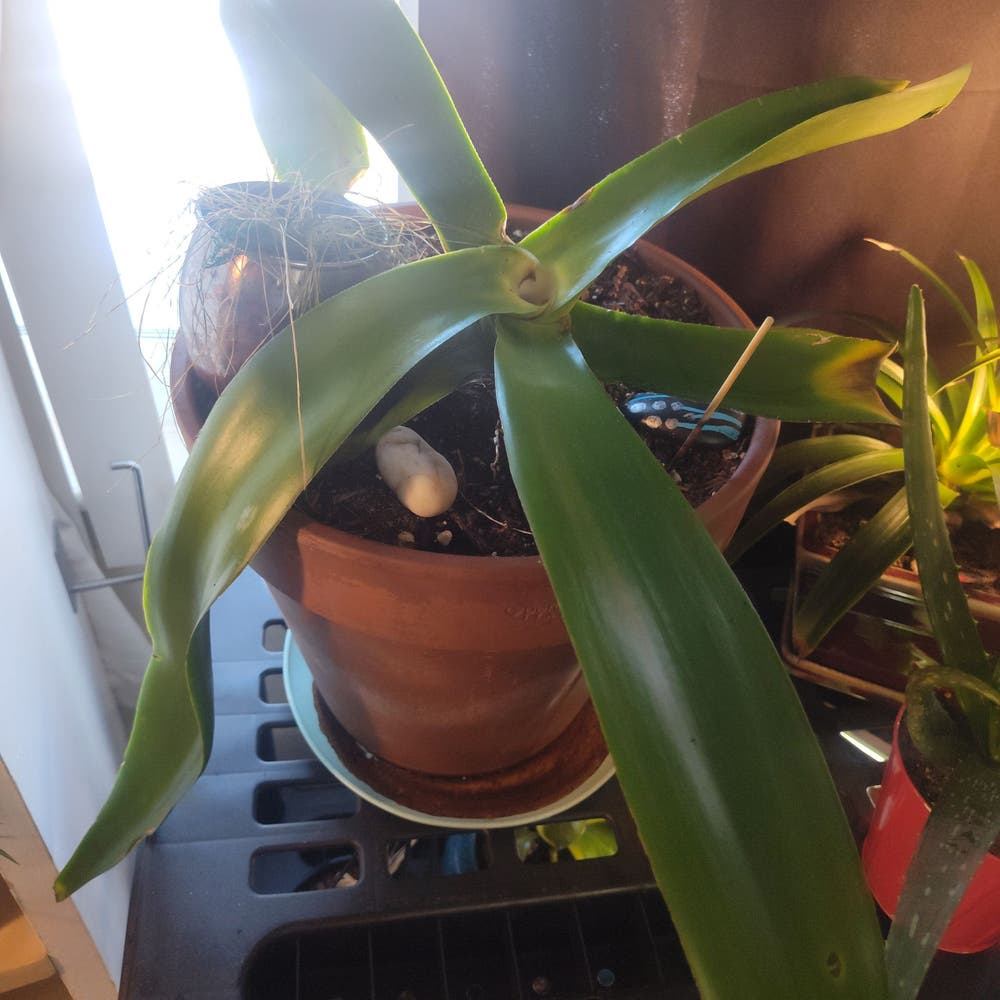
Best Tips for Droopy Leaves on Thorn-Crested Century Plant 🌵
Agave americana
By the Greg Editorial Team
Sep 29, 2024•7 min read
This article was created with the help of AI so we can cover more plants for you. May contain errors. See one? Report it here.
Transform your droopy thorn-crested century plant into a thriving beauty with these essential care tips! 🌿
- 💧 Overwatering and underwatering both cause droopy leaves; check soil moisture regularly.
- 🌱 Proper drainage and soil mix are crucial for thorn-crested century plant health.
- 🌞 Ensure 6-8 hours of bright, indirect sunlight for optimal growth and vitality.
Causes of Droopy Leaves
💧 Overwatering and Its Effects
Overwatering is a common culprit behind droopy leaves. Symptoms include yellowing leaves, a mushy texture, and even root rot.
To prevent these issues, ensure your plant has well-draining soil. This helps avoid water accumulation around the roots, which can lead to serious problems. During cooler months, reduce your watering frequency to keep your plant healthy.
🚰 Underwatering and Its Signs
On the flip side, underwatering can also cause droopy leaves. Look for signs like leaf wilting, dry leaf tips, and shriveling.
Consistent watering is crucial for your plant to utilize stored moisture effectively. If you notice the soil pulling away from the pot edges, it's a clear indicator that your plant needs a drink.
🌱 Soil Drainage Issues
Soil drainage plays a significant role in your plant's health. An ideal soil mix combines sand, perlite, and potting soil for optimal drainage.
Make sure your pots have drainage holes to prevent waterlogging. If you see water pooling on the surface or prolonged sogginess, these are signs of poor drainage that need immediate attention.
🌡️ Environmental Stress Factors
Temperature
Temperature can greatly affect your plant's well-being. The ideal range for a thorn-crested century plant is between 70°F to 90°F (21°C to 32°C).
Extreme temperatures can lead to leaf droopiness, whether from heat stress or cold exposure. Keeping your plant in a stable environment is key.
🌬️ Humidity
This plant prefers low humidity levels. High humidity can lead to fungal issues that compromise its health.
Watch for signs of humidity stress, such as droopy leaves and black spots. Adjusting the environment can help keep your plant thriving.
🐛 Pest Infestations
Common Pests
Pests can wreak havoc on your plant, leading to droopy leaves. Common offenders include mealybugs, which appear as cotton-like masses on leaves, and aphids, small green insects that suck sap.
These pests can cause significant damage, including leaf drop and wilting. Regular monitoring is essential to catch infestations early.
🧼 Control Methods
To combat pests, conduct regular inspections, especially on the undersides of leaves and leaf joints.
Treatment options include insecticidal soap or neem oil, which can effectively manage pest populations. Staying vigilant will help keep your plant healthy and droopy-free.
Understanding these causes is the first step in reviving your thorn-crested century plant. Next, let’s explore how to diagnose droopy leaves effectively.
Diagnosing Droopy Leaves
🌱 Identifying Symptoms of Droopiness
Droopy leaves can signal distress in your thorn-crested century plant. Look for visual cues like drooping, discoloration, and changes in texture to catch issues early.
Early detection is crucial; it can prevent further damage and help your plant bounce back faster.
💧 Differentiating Between Overwatering and Underwatering
Understanding the difference between overwatering and underwatering is key to diagnosing droopiness. Overwatered plants often exhibit mushy leaves and a foul smell from the soil.
In contrast, underwatered plants show signs like dry, crispy leaves and soil that feels parched.
🐛 Checking for Pests and Diseases
Regular visual inspections are essential for identifying pests and diseases. Look closely at the undersides of leaves and around leaf joints for any unwanted visitors.
Addressing infestations early can prevent droopiness and keep your plant healthy.
🌍 Assessing Soil Conditions
Checking soil conditions is another vital step in diagnosing droopy leaves. A simple soil moisture test involves sticking your finger into the soil to gauge its moisture level.
The soil texture should be loose and well-draining to support healthy root growth.
With these diagnostic steps, you can pinpoint the cause of droopiness and take action. Next, let’s explore effective solutions to revive your plant and restore its vitality.
Solutions for Droopy Leaves
🌊 Adjusting Watering Practices
Establishing a consistent watering schedule is crucial. Water your thorn-crested century plant only when the top inch of soil feels dry to the touch.
Deep watering is another effective technique. This encourages roots to grow deeper, promoting a healthier plant overall.
🪴 Improving Soil Drainage
Repotting your plant in well-draining soil can make a significant difference. A mix of sand and perlite provides the ideal drainage for your plant's roots.
Additionally, consider adding drainage materials like gravel or coarse sand at the bottom of your pots. This helps prevent water from pooling, which can lead to root rot.
🐛 Treating Pest Infestations
If pests are an issue, applying insecticidal soap is a reliable solution. Always follow the label instructions to ensure safety for both you and your plant.
Regular monitoring is essential as well. Check your plants weekly for any signs of pests to catch infestations early.
🌱 Fertilizing for Nutrient Deficiencies
Using a balanced NPK fertilizer during the growing season can help replenish nutrients. Aim to fertilize every 4-6 weeks to keep your plant thriving.
This regular feeding supports healthy growth and can prevent droopy leaves caused by nutrient deficiencies.
☀️ Environmental Adjustments
Ensure your plant receives 6-8 hours of bright, indirect sunlight daily. This light exposure is vital for maintaining its health and vigor.
Temperature control is equally important. Avoid placing your plant near drafts or heat sources to minimize stress and promote stability.
By implementing these solutions, you can effectively address droopy leaves and foster a thriving thorn-crested century plant. Next, let’s explore preventive measures to keep your plant healthy long-term.
Preventive Measures
Best Watering Practices 🌊
To keep your Thorn-Crested Century Plant thriving, it's crucial to allow the soil to dry out between waterings. This simple practice helps prevent overwatering, which is a common cause of droopy leaves.
Seasonal adjustments are also key. During the winter months, reduce your watering frequency to match the plant's lower growth rate.
Ideal Soil Mix 🌱
Creating the right soil mix is essential for optimal plant health. A recommended composition is 50% potting soil, 25% sand, and 25% perlite.
This mix not only ensures proper drainage but also promotes soil aeration, which is vital for healthy root growth.
Regular Pest Inspections 🐜
Regular pest inspections can save your plant from significant stress. Aim for bi-weekly checks to catch any infestations early.
Keeping the area around your plant clean is equally important. Remove debris and dead leaves to minimize pest attraction.
Seasonal Care Tips 🌸
Adjusting your care routine based on the season can make a big difference. In spring and summer, increase your checks to ensure your plant is thriving.
Additionally, acclimatization is crucial. Gradually introduce your plant to new light conditions to avoid shock and promote healthy growth.
By implementing these preventive measures, you can keep your Thorn-Crested Century Plant healthy and vibrant. Next, let’s explore how to care for your plant after it has recovered from droopy leaves.
Post-Recovery Care
Monitoring Plant Health After Treatment 🌱
After addressing droopy leaves, keep an eye on your plant's health. Look for signs of recovery such as new growth, firm leaves, and vibrant color.
Patience is key here; recovery may take several weeks. Don't rush the process—your plant needs time to bounce back.
Signs of Recovery in Droopy Leaves 🌿
As your plant heals, you'll notice its leaves regaining firmness. This turgidity is a good indicator that your care is paying off.
Additionally, new growth emerging is a clear sign of successful treatment. Celebrate these small victories!
Long-Term Care Strategies 🌍
To maintain your plant's health, establish a consistent care routine. Regular watering and fertilization are essential for ongoing vitality.
Environmental stability is crucial, too. Avoid sudden changes in conditions to keep your plant thriving long-term.
By following these strategies, you can ensure your thorn-crested century plant remains healthy and vibrant. Now, let’s explore preventive measures to keep those droopy leaves at bay!
⚠️ Safety First
This content is for general information and may contain errors, omissions, or outdated details. It is not medical, veterinary advice, or an endorsement of therapeutic claims.
Always consult a qualified healthcare professional before using any plant as food, medicine, or supplement.
Never eat any plant (or feed one to pets) without confirming its identity with at least two trusted sources.
If you suspect poisoning, call Poison Control (800) 222-1222, the Pet Poison Helpline (800) 213-6680, or your local emergency service immediately.
Spotted an error? Please report it here.
Keep your thorn-crested century plant thriving 🌿 by using Greg's tailored reminders for watering and pest management to prevent droopy leaves and ensure lasting health!