🌵 How to Get Rid of Thorn-Crested Century Plant
Agave americana
By the Greg Editorial Team
Sep 29, 2024•6 min read
This article was created with the help of AI so we can cover more plants for you. May contain errors. See one? Report it here.
Safeguard native ecosystems from the Thorn-Crested Century Plant's invasion with key identification and management tips! 🌿
- 🌱 Thorn-Crested Century Plant is invasive, outcompeting native flora and reducing biodiversity.
- 🌼 Identify it by its spiky leaves and tall flower spikes with bright yellow blooms.
- 🛠️ Effective removal combines manual, chemical, and biological methods for best results.
Plant Classification
Definition of Weeds and Invasive Species 🌱
Weeds are unwanted plants that invade cultivated areas, often outcompeting the desired flora. Invasive species, on the other hand, are non-native plants that spread rapidly, disrupting local ecosystems and causing ecological imbalance.
Criteria for Classification as a Weed or Invasive 🌿
To be classified as a weed or invasive species, a plant must exhibit certain traits. These include rapid spread, which allows it to quickly colonize new areas, and a competitive nature that enables it to outcompete native plants for essential resources.
Thorn-Crested Century Plant's Characteristics 🌵
The Thorn-Crested Century Plant is particularly notorious for its rapid growth and ability to form dense colonies. This characteristic makes it a significant threat to native plant communities, as it can easily dominate and displace local flora.
Understanding these classifications and characteristics is crucial for effective management and control of the Thorn-Crested Century Plant. By recognizing its impact, we can take proactive steps to protect our native ecosystems.
Identification
Key Identifying Features 🌵
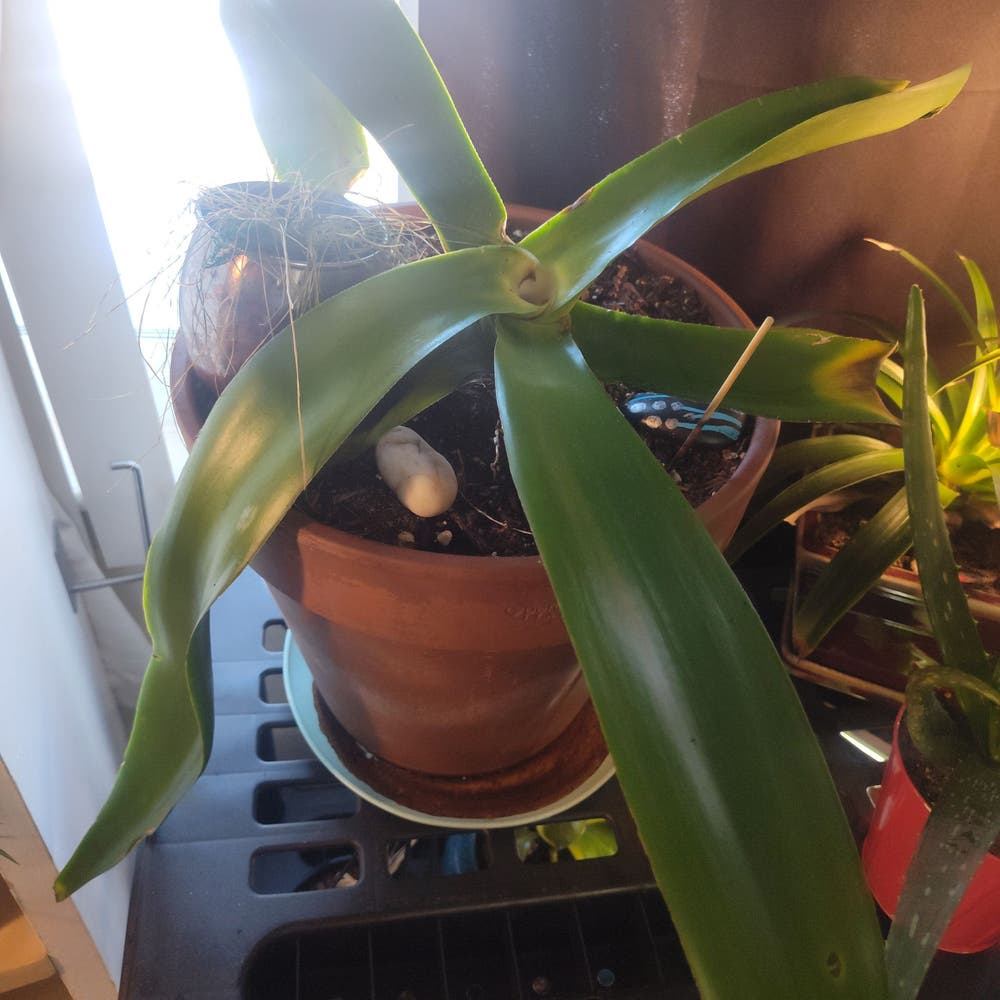
The Thorn-Crested Century Plant is easily recognizable by its thorny, spiky leaves that form a striking rosette. Typically, it grows between 2 to 4 feet tall and produces tall flower spikes adorned with bright yellow flowers.
Comparison with Look-Alike Plants 🔍
When identifying the Thorn-Crested Century Plant, it’s crucial to distinguish it from similar rosette-forming species. Look for its unique leaf structure and flowering pattern, as accurate identification is essential to prevent mismanagement and ensure effective control measures.
Understanding these characteristics not only aids in identification but also empowers you to take action against this invasive species. With the right knowledge, you can help protect native ecosystems from its encroachment.
Growth Habits and Spread
Typical Growth Patterns 🌱
The Thorn-Crested Century Plant exhibits a distinctive rosette structure, characterized by its thorny, spiky leaves. This growth form culminates in a central flowering stalk, typically emerging in the warmer months.
Active growth occurs primarily in spring and summer, while the plant enters a dormant phase during winter. This seasonal pattern allows it to conserve energy and resources, making it a formidable competitor in its environment.
Reproductive Strategies and Methods of Spread 🌼
One of the plant's most concerning traits is its prolific seed production. With a high seed output, it can rapidly colonize new areas, outpacing native flora.
Additionally, the Thorn-Crested Century Plant can spread through vegetative propagation. Root fragments can take root and establish new plants, further enhancing its invasive potential.
Adaptability to Various Environments 🌍
This resilient plant thrives in disturbed areas, particularly in arid and semi-arid regions. Its ability to adapt to various environments makes it a significant threat to local ecosystems.
Moreover, it demonstrates remarkable tolerance to drought and poor soil conditions. This adaptability allows it to outcompete native species, often leading to reduced biodiversity in affected areas.
Understanding these growth habits and spread mechanisms is crucial for effective management strategies. By recognizing how the Thorn-Crested Century Plant operates, we can better prepare for its control and mitigation.
Ecological Impact
Effects on Native Plant Communities 🌱
The Thorn-Crested Century Plant poses a significant threat to native flora. Its aggressive growth leads to the displacement of local species, which ultimately reduces biodiversity.
This invasive plant alters the habitat structure, changing the composition of ecosystems. As it forms dense colonies, it outcompetes native plants for sunlight, water, and nutrients.
Impact on Wildlife and Biodiversity 🦋
The consequences extend beyond plants; wildlife suffers too. With native species dwindling, food sources for local fauna diminish, disrupting the balance of the ecosystem.
This disruption affects local food webs, leading to a ripple effect that can harm various species. Maintaining biodiversity is crucial for ecosystem health, and the Thorn-Crested Century Plant undermines this balance.
Understanding these impacts is essential for effective management and control strategies. By addressing the ecological consequences, we can better appreciate the urgency of tackling this invasive species.
Control and Management
🧤 Manual Removal Techniques and Best Practices
Manual removal is a hands-on approach to tackling the Thorn-Crested Century Plant. Start by identifying the plant and its root system to ensure complete removal.
Gather essential tools: gloves, a spade, and a trowel. These will help you dig out the plant effectively.
The best time for removal is early spring, just before flowering begins. This timing increases your chances of success.
Dispose of the removed plants properly by bagging them and taking them away from the site. This prevents any chance of regrowth.
⚗️ Chemical Control Options and Safety Considerations
Chemical control can be effective but requires careful consideration. Certain herbicides specifically target the Thorn-Crested Century Plant.
For maximum efficacy, apply these herbicides during the plant's active growth phase. Timing is crucial for successful eradication.
Always prioritize safety by wearing protective gear. Consider environmental impacts when choosing your chemicals to minimize harm to surrounding ecosystems.
🦠 Biological Control Methods and Their Effectiveness
Biological control methods offer a more natural approach. This can include introducing natural predators or pathogens that specifically target the Thorn-Crested Century Plant.
Current research is exploring these methods, with some success stories emerging. These solutions can provide a sustainable way to manage invasive species.
🚫 Preventive Measures to Limit Spread
Prevention is key in managing the spread of the Thorn-Crested Century Plant. Regular monitoring and early detection can help catch infestations before they escalate.
Maintaining healthy native plant communities is essential. This not only supports biodiversity but also creates a natural barrier against invasive species.
By implementing these control and management strategies, you can effectively combat the Thorn-Crested Century Plant and protect your local ecosystem. Next, let’s explore the legal status surrounding this invasive species and what regulations may apply.
Legal Status
Overview of Laws and Regulations 🌍
The Thorn-Crested Century Plant is classified under various federal and state regulations aimed at managing invasive species. In many regions, it is designated as a noxious weed, which means its presence is legally recognized as harmful to local ecosystems.
This classification often triggers specific management protocols to control its spread. Understanding these regulations is crucial for anyone dealing with this plant.
Requirements for Removal or Control in Specific Areas 📜
Local ordinances provide guidelines for landowners on how to manage the Thorn-Crested Century Plant effectively. These regulations may include specific removal techniques and timelines to minimize its impact.
Additionally, there are reporting requirements for infestations on public lands. This ensures that local authorities can take appropriate action to protect native ecosystems.
By staying informed about these laws, you can contribute to the effort of controlling this invasive species and preserving local biodiversity.
As we move forward, let’s explore effective control and management strategies to tackle this persistent plant.
⚠️ Safety First
This content is for general information and may contain errors, omissions, or outdated details. It is not medical, veterinary advice, or an endorsement of therapeutic claims.
Always consult a qualified healthcare professional before using any plant as food, medicine, or supplement.
Never eat any plant (or feed one to pets) without confirming its identity with at least two trusted sources.
If you suspect poisoning, call Poison Control (800) 222-1222, the Pet Poison Helpline (800) 213-6680, or your local emergency service immediately.
Spotted an error? Please report it here.
Protect your garden's biodiversity 🌿 by using Greg's tailored tips and community insights to effectively manage the Thorn-Crested Century Plant!