🌵 Why Thorn-Crested Century Plant Is Not an Annual
Agave americana
By the Greg Editorial Team
Sep 29, 2024•5 min read
This article was created with the help of AI so we can cover more plants for you. May contain errors. See one? Report it here.
Unlock the beauty and resilience of the Thorn-Crested Century Plant for a stunning, low-maintenance garden! 🌿
- 🌵 Thorn-Crested Century Plant is a perennial, thriving for decades unlike true annuals.
- 💧 Unique rosette shape conserves water, perfect for arid environments and drought resistance.
- 🌞 Full sun and proper care are essential for its growth and longevity.
Thorn-Crested Century Plant Characteristics
🌱 Genetic Traits
The Thorn-Crested Century Plant is classified within the Agave species. This classification highlights its unique genetic adaptations that enable it to thrive in arid environments.
These adaptations include traits that support drought resistance and longevity. Such characteristics are essential for survival in challenging conditions.
🌿 Physiological Traits Supporting Perennial Classification
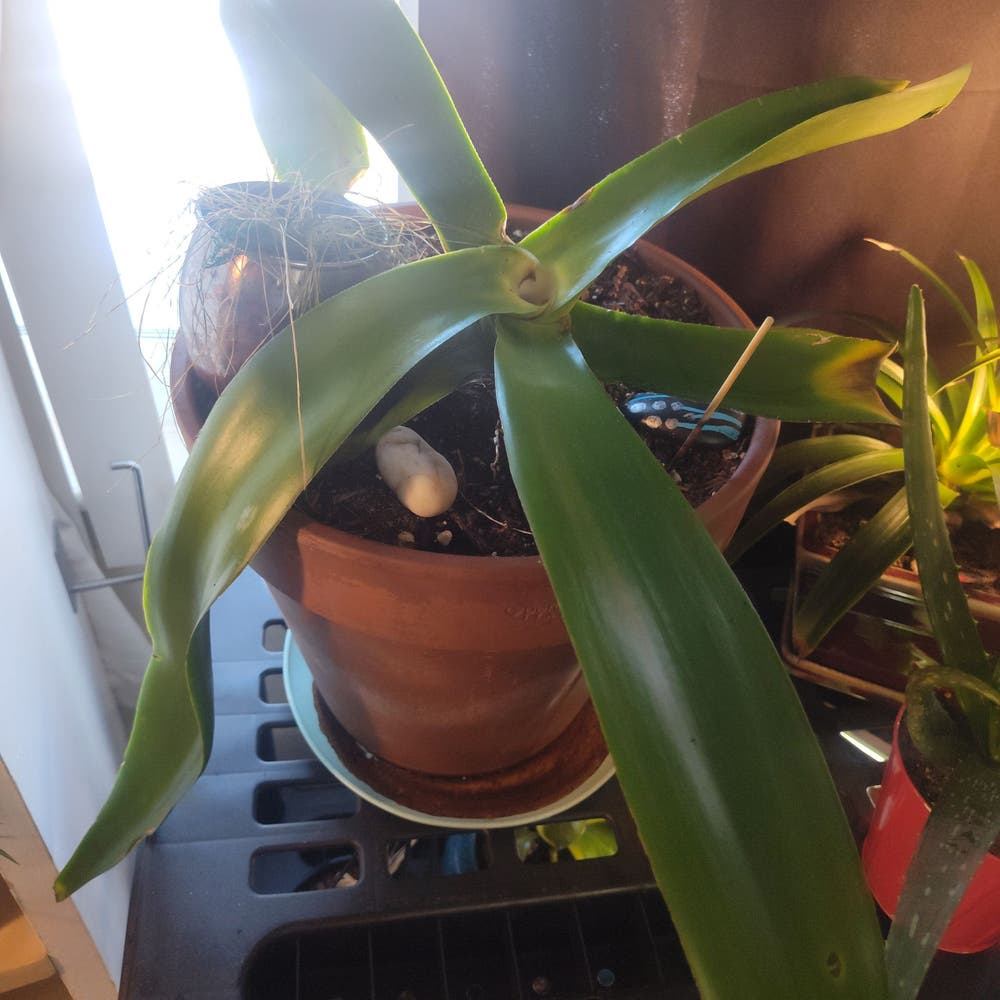
One of the most striking features of this plant is its rosette shape. This structure is not just for aesthetics; it plays a crucial role in water conservation.
Additionally, the plant's spiny leaves serve dual purposes. They provide protection from herbivores and help retain moisture, making the plant well-suited for its environment.
⏳ Long-Term Lifecycle and Growth Patterns
The Thorn-Crested Century Plant boasts an impressive lifespan, often living for several decades. Its growth patterns are notable, beginning with slow initial growth before transitioning to robust development.
A defining moment in its lifecycle is the flowering event. This plant produces a single flowering spike that occurs only once in its lifetime, marking a significant milestone in its long journey.
Understanding these characteristics not only highlights the plant's resilience but also sets the stage for exploring its lifecycle in comparison to true annuals.
Lifecycle Comparison
Lifecycle Stages vs. True Annuals 🌱
The lifecycle of the thorn-crested century plant is distinctly different from that of true annuals. While annuals complete their lifecycle—germination, growth, flowering, and death—within a single season, perennials like the century plant extend this process over several years.
This extended lifecycle allows the century plant to develop robust structures and adaptations that support its longevity. Each stage in its lifecycle is marked by significant changes, reflecting its resilience and ability to thrive in challenging conditions.
Growth and Flowering Cycles 🌼
Understanding the growth and flowering cycles of the thorn-crested century plant reveals its unique nature. It experiences seasonal growth, with distinct dormancy periods where it conserves energy, followed by active growth phases that can be quite vigorous.
Flowering is a monumental event for this plant, occurring only once in its lifetime. After years of growth, it produces a striking flowering spike, a testament to its long-term investment in survival and reproduction.
Seed Production Differences 🌾
Seed production in the thorn-crested century plant is closely tied to its flowering event. After the plant flowers, it produces seeds, marking the culmination of its lifecycle.
The quantity and viability of these seeds can vary significantly compared to annuals. While annuals may produce a large number of seeds in a short time, the century plant focuses on quality, ensuring that its seeds have the best chance of thriving in the right conditions.
This intricate lifecycle not only highlights the plant's resilience but also sets the stage for understanding its gardening implications. Transitioning from its lifecycle to practical gardening tips can help enthusiasts appreciate and cultivate this remarkable species.
Regional Variations and Misconceptions
Conditions Leading to Misclassification 🌵
The thorn-crested century plant often faces environmental stressors that can lead to its misclassification as an annual. Drought, extreme temperatures, and poor soil conditions can all hinder its growth, making it appear less resilient than it truly is.
Mismanagement also plays a significant role in this confusion. Overwatering or inadequate sunlight can cause the plant to struggle, leading to premature death and the misconception that it is a short-lived annual.
Exceptions in Different Climates 🌍
Despite its challenges, the thorn-crested century plant shows remarkable adaptability across various climates. In regions with favorable conditions, it thrives, reinforcing its classification as a perennial.
Local gardening practices can further complicate perceptions of its lifecycle. Misconceptions about the plant's needs often stem from regional experiences, leading to misunderstandings about its true nature and longevity.
Understanding these regional variations is crucial for gardeners. By recognizing the environmental factors and local practices that influence the thorn-crested century plant, you can better appreciate its unique characteristics and ensure its successful growth in your garden.
This knowledge sets the stage for exploring the gardening implications of this fascinating plant.
Gardening Implications
Benefits in Garden Design 🌼
The Thorn-Crested Century Plant is a striking addition to any garden. Its unique rosette shape and spiny texture not only catch the eye but also create an intriguing focal point.
This plant thrives in dry conditions, making it perfect for xeriscaping and low-water gardens. Its drought tolerance means less worry about watering, allowing you to enjoy a beautiful landscape with minimal effort.
Strategies for Maximizing Longevity 🌱
To keep your Thorn-Crested Century Plant healthy, focus on soil requirements. It thrives in well-drained soils, so ensure proper drainage to prevent root rot.
Full sun exposure is essential for optimal growth. Position your plant where it can soak up sunlight, promoting its longevity and vibrant appearance.
Tips for Managing as a Perennial 🌿
Understanding the plant's seasonal care is crucial. Recognize its dormancy and active growth periods to provide the right care at the right time.
Pruning and maintenance are key to promoting health. Regularly remove dead leaves and spent flowers to encourage new growth and maintain its stunning appearance.
With these strategies, you can enjoy the beauty and resilience of the Thorn-Crested Century Plant for years to come. Transitioning into its unique lifecycle will deepen your appreciation for this remarkable perennial.
⚠️ Safety First
This content is for general information and may contain errors, omissions, or outdated details. It is not medical, veterinary advice, or an endorsement of therapeutic claims.
Always consult a qualified healthcare professional before using any plant as food, medicine, or supplement.
Never eat any plant (or feed one to pets) without confirming its identity with at least two trusted sources.
If you suspect poisoning, call Poison Control (800) 222-1222, the Pet Poison Helpline (800) 213-6680, or your local emergency service immediately.
Spotted an error? Please report it here.
Unlock the secrets of the Thorn-Crested Century Plant's decades-long resilience 🌱 with Greg's personalized care tips and watering reminders to keep your garden thriving!