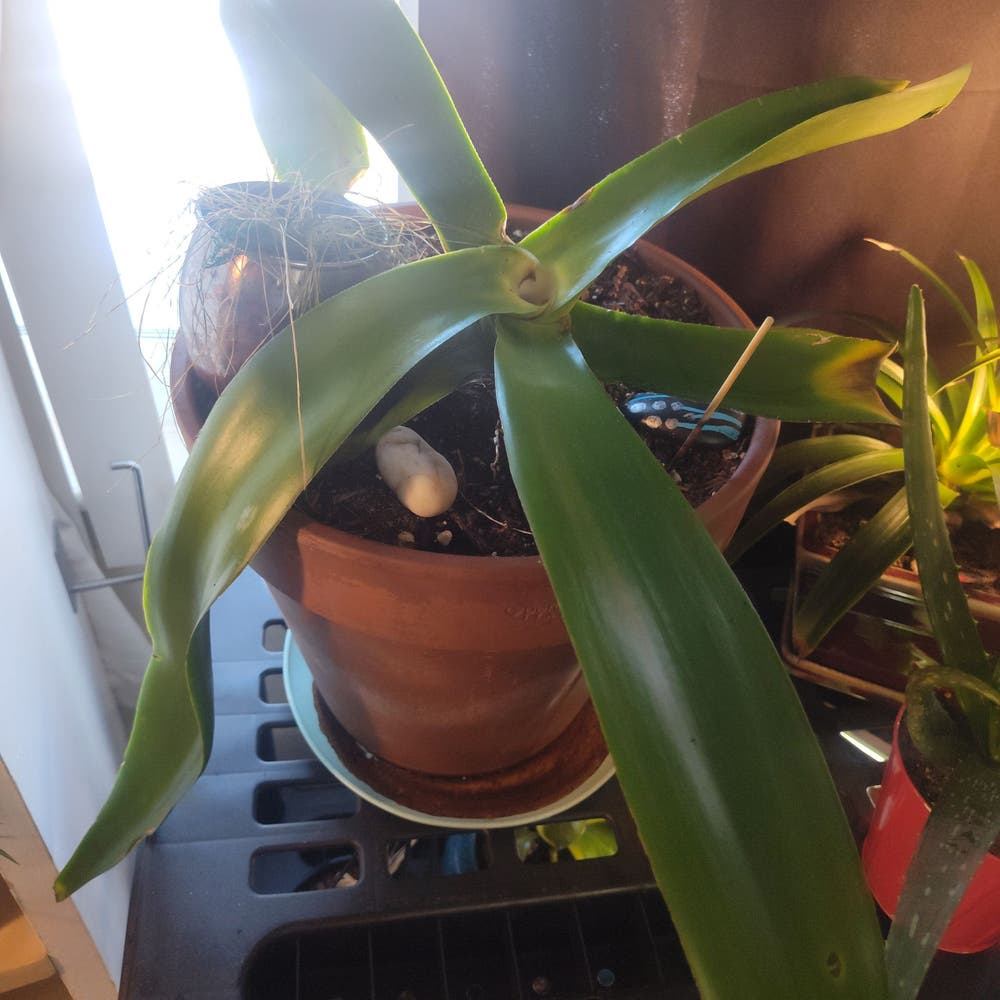
🌵 Determining What Might Be Eating Your Century Plant
Agave americana
By the Greg Editorial Team
Sep 30, 2024•6 min read
This article was created with the help of AI so we can cover more plants for you. May contain errors. See one? Report it here.
Safeguard your stunning Century Plant 🌿 from herbivores while inviting pollinators for a flourishing garden!
- 🌱 Herbivores like deer and rabbits love young Century Plant shoots; protect them!
- 🦌 Signs of damage include hoof prints and gnawed leaves; monitor regularly.
- 🚫 Effective deterrents include fencing, repellents, and companion planting to safeguard your plant.
Description and Appeal
Appearance and Growth 🌿
The Century Plant, known for its striking presence, features large, rosette-shaped leaves adorned with sharp spines. When it flowers, it can reach an impressive height of up to 30 feet, showcasing a tall flower spike that attracts a variety of pollinators.
Most Appealing Parts to Animals 🐾
Herbivores are particularly drawn to the Century Plant's young shoots, which are tender and moist. Additionally, its flowers are nutrient-rich and appealing, while the fruits, when present, can also attract various animals depending on their maturity.
This unique combination of features makes the Century Plant not only a stunning addition to gardens but also a potential target for local wildlife. Understanding these appealing aspects can help you protect your plant from hungry herbivores.
Common Herbivores
🦌 Deer
Signs of Presence and Damage
Deer are often the first culprits when it comes to damage to your century plant. Look for hoof prints in the soil and signs of browsing on the tender young shoots.
Interaction Type
These animals can be particularly harmful, as they may decimate young plants and hinder their growth significantly.
Deterrent Methods
To keep deer at bay, consider using commercial deer repellents. Alternatively, planting deer-resistant companion plants or using human hair and soap shavings can be effective organic methods.
🐇 Rabbits
Signs of Presence and Damage
Rabbits leave small, round droppings near the plant and often gnaw on the edges of leaves, especially the young shoots.
Interaction Type
Like deer, rabbits can be quite harmful, severely affecting the health of young plants.
Deterrent Methods
For a quick fix, bitter-tasting sprays can deter rabbits. Additionally, erecting a fence at least 2 feet high or using cayenne pepper as a repellent can help keep them away.
🐿️ Squirrels
Signs of Presence and Damage
Squirrels may leave scratches on the soil and chewed leaves as evidence of their presence. They can also strip bark and dig around the base of the plant.
Interaction Type
These critters are generally harmful, as their activities can weaken the plant and expose it to disease.
Deterrent Methods
Commercial squirrel repellents can be effective, but you might also try scare tactics like reflective tape or noise-makers to keep them at bay.
🐦 Birds
Signs of Presence and Damage
Look for feathers or droppings around your century plant. Birds may peck at flowers or fruits, causing noticeable damage.
Interaction Type
Bird interactions can be mixed; while some birds help with pollination, others can damage your flowers.
Deterrent Methods
Using netting can protect your flowers and fruits from pecking birds, providing a simple organic solution.
🐭 Rodents
Signs of Presence and Damage
Rodents often leave small holes or tunnels near the base of the plant. They can gnaw on roots and lower leaves, causing significant damage.
Interaction Type
These pests are generally harmful and can lead to serious plant issues.
Deterrent Methods
For rodent control, consider using bait stations. Organic options include traps and planting deterrent herbs like mint.
🦡 Groundhogs/Woodchucks
Signs of Presence and Damage
Groundhogs leave large paw prints and burrows nearby. They can cause extensive damage by chewing on leaves and stems.
Interaction Type
These animals are generally harmful and can severely damage or even kill your plant.
Deterrent Methods
To deter groundhogs, commercial repellents can be useful. You can also use fencing at least 3 feet high or apply castor oil as an organic deterrent.
Understanding these common herbivores and their impact on your century plant is crucial for effective management. Next, let’s explore the beneficial animals that can positively influence your plant's health.
Beneficial Animals
Description and Impact 🐝
The Century Plant attracts a variety of beneficial animals, particularly pollinators like bees and butterflies. These creatures are not just beautiful to observe; they play a crucial role in the plant's reproductive success.
Positive Ecosystem Contributions 🌍
Enhanced pollination leads to better fruit and seed production, ensuring the survival of the species. Additionally, predatory insects help control pest populations, creating a balanced ecosystem around your plant.
By fostering these beneficial interactions, you not only support the health of your Century Plant but also contribute to a thriving garden environment. Understanding the roles these animals play can inspire you to create a more inviting habitat for them.
As you consider the impact of beneficial animals, it’s essential to also think about how to protect your plants from potential threats. This leads us to explore effective protection strategies next.
Protection Strategies
🛡️ Preventive Measures
Fencing is one of the most effective ways to keep larger herbivores away from your Century Plant. Installing barriers at least 3 feet high can deter deer, rabbits, and other animals from munching on your prized plant.
Companion planting is another smart strategy. By surrounding your Century Plant with species that herbivores dislike, you can create a natural deterrent that helps protect your plant without chemicals.
⚠️ Reactive Solutions
Regular monitoring is crucial for catching herbivore activity early. Check your plants frequently for signs of damage or tracks, so you can act before the situation worsens.
When you notice any signs of herbivore presence, implement deterrent methods immediately. Quick action can save your plant from significant damage and keep it thriving.
🌱 Balancing Ecosystem Health
Understanding the role of herbivores in the ecosystem is essential. While they can be harmful to your plants, they also play a part in maintaining ecological balance.
Implementing integrated pest management strategies can help you manage herbivore interactions effectively. This approach combines preventive and reactive measures, ensuring your Century Plant remains healthy while respecting the natural environment.
With these strategies in place, you can enjoy the beauty of your Century Plant while minimizing damage from hungry visitors. Next, let’s explore seasonal considerations that affect your plant's vulnerability.
Seasonal Considerations
🌱 Variations in Attraction
As spring rolls in, herbivores become increasingly active, drawn to the tender shoots of your century plant. This is the time when young leaves are at their juiciest, making them irresistible to hungry critters.
In summer, the plant's flowering stage takes center stage. While this attracts a flurry of pollinators like bees and butterflies, it also lures some herbivores looking for a nutrient-rich snack.
⏰ Timing of Vulnerability
Young century plants are particularly vulnerable in early spring. Their delicate structure makes them easy targets for herbivores eager for fresh greens.
Mature plants, while less appealing due to their tougher leaves, still face threats during flowering. Even established plants can suffer damage if herbivores decide to indulge in the blooms.
Understanding these seasonal dynamics can help you protect your century plant effectively. By being aware of when your plant is most at risk, you can take proactive measures to ensure its health and vitality.
Toxicity and Safety
⚠️ Toxic Effects
The century plant contains saponins, which can be toxic if consumed in large quantities. This toxicity is a natural defense mechanism, helping to deter herbivores from munching on its leaves.
🐾 Implications for Interactions
While the saponins may keep some animals at bay, they can also pose risks for pets and livestock. Understanding this toxicity is crucial to prevent accidental consumption and ensure a safe environment for all creatures around your garden.
By being aware of these factors, you can better protect your century plant while appreciating its unique role in the ecosystem. Next, let’s explore effective protection strategies to keep your plant thriving amidst potential threats.
⚠️ Safety First
This content is for general information and may contain errors, omissions, or outdated details. It is not medical, veterinary advice, or an endorsement of therapeutic claims.
Always consult a qualified healthcare professional before using any plant as food, medicine, or supplement.
Never eat any plant (or feed one to pets) without confirming its identity with at least two trusted sources.
If you suspect poisoning, call Poison Control (800) 222-1222, the Pet Poison Helpline (800) 213-6680, or your local emergency service immediately.
Spotted an error? Please report it here.
Safeguard your gorgeous Century Plant 🌿 from herbivores with Greg's personalized monitoring and deterrent strategies, ensuring it thrives beautifully in your garden!