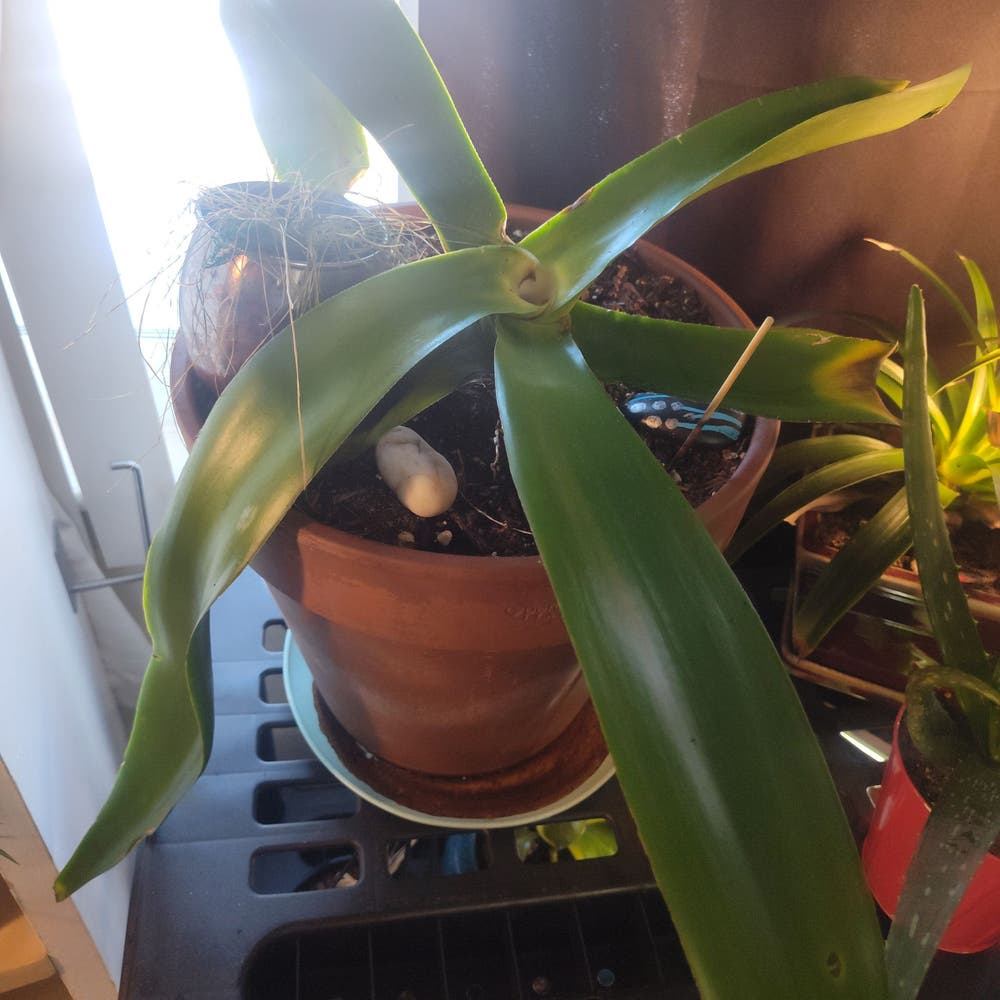
Why Are My Century Plant Leaves Dropping?
Agave americana
By the Greg Editorial Team
Jun 08, 2024•3 min read
This article was created with the help of AI so we can cover more plants for you. May contain errors. See one? Report it here.
Prevent your Century Plant from going bare 🍂 by understanding and managing its unique leaf-shedding cycle!
- Seasonal shedding is natural for new growth.
- Hormones regulate leaf shedding and growth.
- Water and support prevent excessive leaf dropping.
Understanding Century Plant Leaf Shedding
🍂 Seasonal Leaf Cycle
Seasons change, and so do century plants. As with many perennials, they shed their oldest leaves to make way for new growth. This isn't random; it's a timed response to the plant's internal clock. In spring, it's out with the old, in with the new. Come late summer or early fall, the cycle repeats, ensuring the plant remains vibrant and productive.
🧪 Hormonal Regulation
It's all about the hormones. These chemical messengers are the conductors of the plant's symphony, cueing when to drop leaves and when to grow them. Think of auxins and gibberellins as the plant's personal trainers, getting it into shape for the changing seasons. They're not just about growth; they're about strategic shedding, too. When a century plant drops a leaf, it's not an accident—it's a calculated move in the game of survival.

Addressing Physiological Causes of Leaf Dropping
💧 Water Stress Management
Watering is a balancing act. Too much, and you're setting the stage for root rot; too little, and you're leaving your Century Plant parched. Optimal soil moisture is the goal. Water deeply, but allow the soil to dry out slightly between waterings. This encourages roots to grow deep and strong, reducing the risk of leaf shedding.
🌱 Hormonal Balance
Plants have hormones too, and they're pivotal in leaf shedding. Auxins and cytokinins need to be in harmony to prevent a leaf-dropping frenzy. You can't bottle plant hormones, but you can create conditions that support their natural balance. Ensure your Century Plant gets enough light, but not too much, and keep the temperature steady. A stable environment helps maintain hormonal equilibrium, keeping those leaves firmly attached.

Targeted Care for Leaf Retention
🌿 Leaf Support Techniques
To prevent premature leaf dropping, consider physical support for your Century Plant. Staking or tying can help, especially for larger, top-heavy leaves. Ensure stakes are secure and ties are not too tight, allowing for natural growth.
🌱 Hormone-Boosting Practices
Hormone production is crucial for leaf retention. While synthetic hormones can be applied, fostering a natural environment is key. Ensure your plant has adequate light and nutrient-rich soil; these encourage the plant's own hormone production. Avoid over-fertilizing, as this can disrupt the natural balance.
Remember, your Century Plant is an evergreen, so it's designed to keep its leaves year-round. If leaves are dropping, it's a sign that something in its care regimen needs tweaking. Keep a close eye on watering schedules and adjust for seasonal changes. And don't forget, a stable environment helps prevent stress-induced shedding.

⚠️ Safety First
This content is for general information and may contain errors, omissions, or outdated details. It is not medical, veterinary advice, or an endorsement of therapeutic claims.
Always consult a qualified healthcare professional before using any plant as food, medicine, or supplement.
Never eat any plant (or feed one to pets) without confirming its identity with at least two trusted sources.
If you suspect poisoning, call Poison Control (800) 222-1222, the Pet Poison Helpline (800) 213-6680, or your local emergency service immediately.
Spotted an error? Please report it here.
Embrace your century plant's natural rhythm and thrive 🌱 with Greg's tailored care reminders that harmonize watering and environmental needs to reduce leaf shedding.