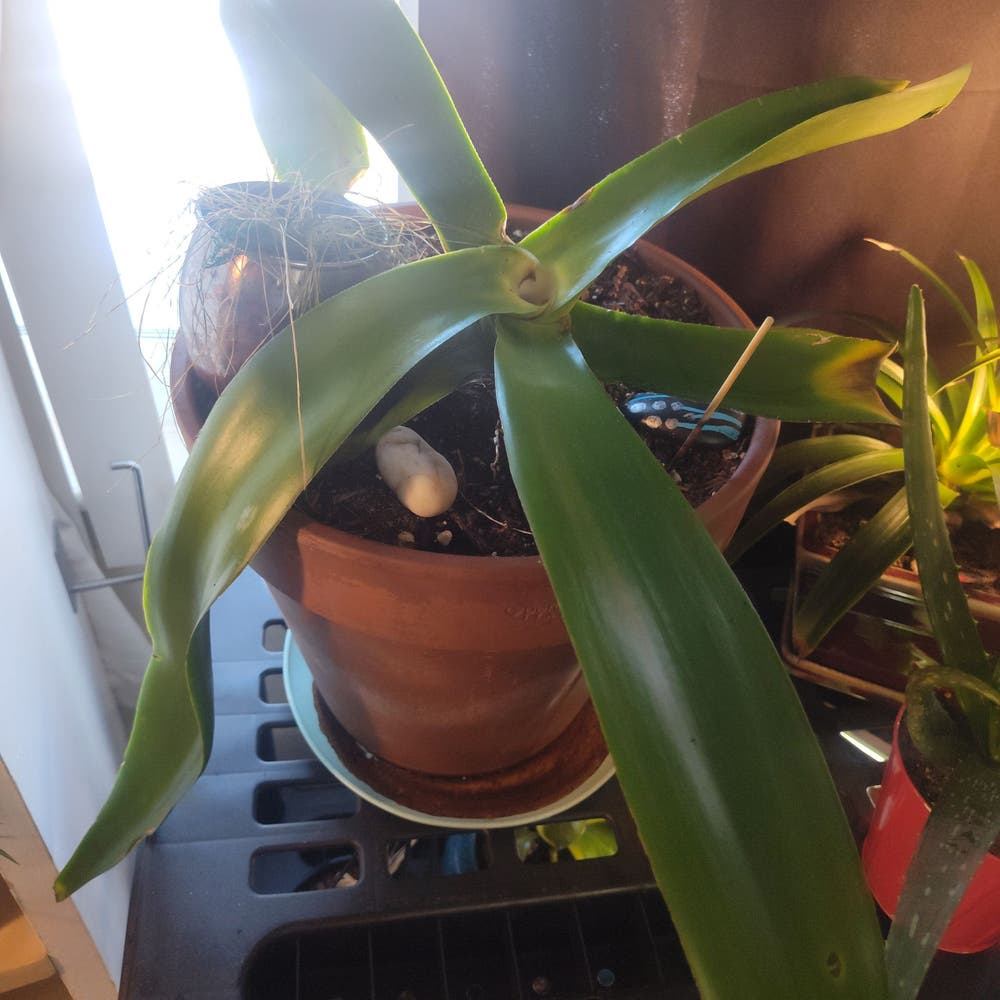
🌵 How to Fix Brown Spots on Your Thorn-Crested Century Plant
Agave americana
By the Greg Editorial Team
Sep 29, 2024•7 min read
This article was created with the help of AI so we can cover more plants for you. May contain errors. See one? Report it here.
Revive your thorn-crested century plant from brown spots 🌱 with these expert care tips for vibrant health!
- 🌱 Brown spots arise from overwatering, underwatering, sunburn, or pests. Diagnose carefully!
- 💧 Establish a consistent watering schedule to prevent root rot and dry leaves.
- 🌞 Bright, indirect light promotes healthy growth and prevents sunburn on leaves.
Causes of Brown Spots
💧 Overwatering and Root Rot
Overwatering is a common issue that can lead to brown spots on your thorn-crested century plant. Symptoms include yellowing leaves, a mushy texture, and a foul odor from the soil, indicating root rot.
Poor drainage and excessive watering frequency are the main culprits. If not addressed promptly, root rot can cause irreversible damage to your plant.
🚰 Underwatering and Leaf Stress
On the flip side, underwatering can also lead to brown spots. Look for crispy, dry leaves and browning at the tips, which signal that your plant is stressed.
Infrequent watering and dry air conditions contribute to this problem. Prolonged underwatering can weaken the plant and worsen the brown spots.
☀️ Sunburn and Light Exposure
Your plant can suffer from sunburn if exposed to direct sunlight for too long. Symptoms include brown, crispy patches on leaves, particularly on the side facing the sun.
This issue can lead to permanent leaf damage if not corrected. Adjusting light exposure is crucial for the health of your plant.
🥦 Nutrient Deficiencies
🌱 Nitrogen Deficiency
A lack of nitrogen can manifest as general yellowing of leaves and stunted growth. Poor soil quality and insufficient fertilization are often to blame.
Nitrogen is essential for overall plant health, and its deficiency can lead to brown spots.
🧪 Magnesium Deficiency
Magnesium deficiency presents as interveinal chlorosis, where yellowing occurs between leaf veins, along with browning edges. Imbalanced soil nutrients are typically the cause.
Since magnesium is crucial for photosynthesis, its deficiency can significantly affect leaf color and health.
🍄 Fungal Infections
🌑 Leaf Spot Disease
Leaf spot disease can create dark brown or black spots with yellow halos on your plant's leaves. High humidity and poor air circulation often lead to this fungal infection.
If not treated, it can spread quickly and result in significant leaf loss. Early intervention is key to managing this issue.
🐛 Pest Infestations
🐜 Common Pests
Pests like mealybugs and aphids can also contribute to brown spots. Mealybugs appear as white, cotton-like masses on leaves, while aphids are small, green insects that suck sap.
These pests weaken the plant and can introduce diseases, further exacerbating the brown spots. Regular inspections can help catch these infestations early.
Understanding these causes is the first step in addressing brown spots on your thorn-crested century plant. Next, we'll explore how to diagnose these issues effectively.
Diagnosing Brown Spots
🌊 Identifying Symptoms of Overwatering
To diagnose overwatering, start by checking for yellowing leaves and a mushy texture. The soil should feel dry about 1-2 inches down; if it’s soggy, you may have a problem.
💧 Recognizing Signs of Underwatering
Underwatering manifests as crispy, dry leaves with browning tips. Check the soil for dryness and compactness to confirm if your plant is thirsty.
☀️ Assessing Light Conditions and Sun Exposure
Evaluate your plant's location to see if it’s receiving direct sunlight. If it is, consider relocating it to a spot with bright, indirect light to prevent further damage.
🧪 Testing Soil for Nutrient Levels
Using a soil test kit, check for nitrogen and magnesium levels. Adjust your soil amendments based on the test results to ensure your plant gets the nutrients it needs.
🐛 Inspecting for Pests and Diseases
Conduct a thorough visual inspection of the leaves and stems. Look for signs of pests or fungal infections, noting their locations to address any issues effectively.
By diagnosing these factors, you can take the first steps toward restoring your thorn-crested century plant to health. Next, let’s explore treatment options to tackle those pesky brown spots.
Treatment Options
Adjusting Watering Practices 🌊
Establishing a consistent watering schedule is crucial for your thorn-crested century plant. Aim to water based on seasonal needs, allowing the soil to dry out between waterings to prevent root rot.
Using well-draining soil is essential. This helps avoid water retention, which can lead to brown spots and other issues.
Improving Soil Drainage 🚰
To enhance drainage, consider amending your soil with perlite or sand. These materials improve aeration and prevent water accumulation.
Also, ensure that your pots have drainage holes. This simple step can make a significant difference in keeping your plant healthy.
Applying Fertilizers for Nutrient Balance 🍽️
Using a balanced fertilizer during the growing season is vital for your plant's health. Follow the package instructions for application rates and frequency to avoid over-fertilization.
Regular fertilization helps maintain nutrient levels, preventing deficiencies that can cause brown spots.
Treating Fungal Infections with Fungicides 🦠
If you suspect a fungal infection, identifying the type is your first step. Once you know what you're dealing with, apply the appropriate fungicides according to the label instructions.
Timely treatment can prevent the spread of the infection and protect your plant from significant damage.
Managing Pests with Insecticidal Soap or Neem Oil 🐛
For pest infestations, insecticidal soap or neem oil can be effective solutions. Spray the affected areas thoroughly, focusing on the undersides of leaves where pests often hide.
Repeat the treatment every 7-14 days until you see control over the pest population. This proactive approach will help keep your plant thriving.
By implementing these treatment options, you can effectively address brown spots and promote a healthier thorn-crested century plant. Next, let's explore preventive measures to keep your plant in top shape.
Preventive Measures
🌊 Best Watering Practices
Water your thorn-crested century plant deeply but infrequently. This approach allows the soil to dry out between waterings, preventing issues like root rot.
Using a moisture meter can help you gauge soil moisture levels accurately. This tool ensures you’re not over or under-watering, keeping your plant healthy.
☀️ Optimal Light Conditions for Growth
Position your plant in bright, indirect light for optimal growth. Direct sunlight can scorch the leaves, leading to brown spots.
If your plant needs to adjust to higher light levels, do so gradually. This helps prevent shock and promotes healthy growth.
🧪 Regular Soil Testing and Amendments
Test your soil every 6-12 months to check nutrient levels. Regular testing helps you understand what your plant needs to thrive.
Amend the soil as needed to maintain a balanced nutrient profile. This proactive approach can prevent deficiencies that lead to brown spots.
🌱 Seasonal Care Tips
Adjust your watering frequency based on seasonal changes. Plants often require more water during warmer months and less during cooler periods.
Protect your plant from extreme temperatures and direct sunlight, especially in summer. This care helps maintain its health and prevents stress.
🐛 Monitoring for Pests and Early Intervention
Conduct regular inspections for pests and diseases. Early detection is key to preventing infestations that can lead to brown spots.
Implement integrated pest management strategies to keep pests at bay. This holistic approach ensures your plant remains healthy and vibrant.
By following these preventive measures, you can significantly reduce the risk of brown spots on your thorn-crested century plant. Next, let’s explore how to recognize the signs of recovery after treatment.
Post-Treatment Care
Signs of Recovery 🌱
After treatment, look for new growth emerging from the center of the rosette. This is a promising sign that your thorn-crested century plant is bouncing back.
You should also notice improved leaf texture and color over time. Healthy leaves will appear vibrant and robust, indicating that the plant is regaining its strength.
Continued Monitoring 👀
Regularly check the leaves for any signs of returning issues. Keeping an eye out for discoloration or unusual textures can help catch problems early.
Additionally, maintain a log of your watering and care practices. This record will be invaluable for understanding what works best for your plant.
Adjusting Care Routine 🔄
Be ready to modify your watering and fertilization based on the observed health of your plant. If you notice signs of stress, it might be time to tweak your routine.
Stay adaptable in your care strategies as the plant recovers. Flexibility can make all the difference in ensuring your plant thrives in the long run.
With these post-treatment care tips, you’ll be well-equipped to nurture your thorn-crested century plant back to health. Next, let’s explore preventive measures to keep it thriving!
⚠️ Safety First
This content is for general information and may contain errors, omissions, or outdated details. It is not medical, veterinary advice, or an endorsement of therapeutic claims.
Always consult a qualified healthcare professional before using any plant as food, medicine, or supplement.
Never eat any plant (or feed one to pets) without confirming its identity with at least two trusted sources.
If you suspect poisoning, call Poison Control (800) 222-1222, the Pet Poison Helpline (800) 213-6680, or your local emergency service immediately.
Spotted an error? Please report it here.
Keep your thorn-crested century plant healthy and spot-free 🌿 by using Greg's tailored watering reminders and nutrient tracking to ensure it thrives with every care routine!