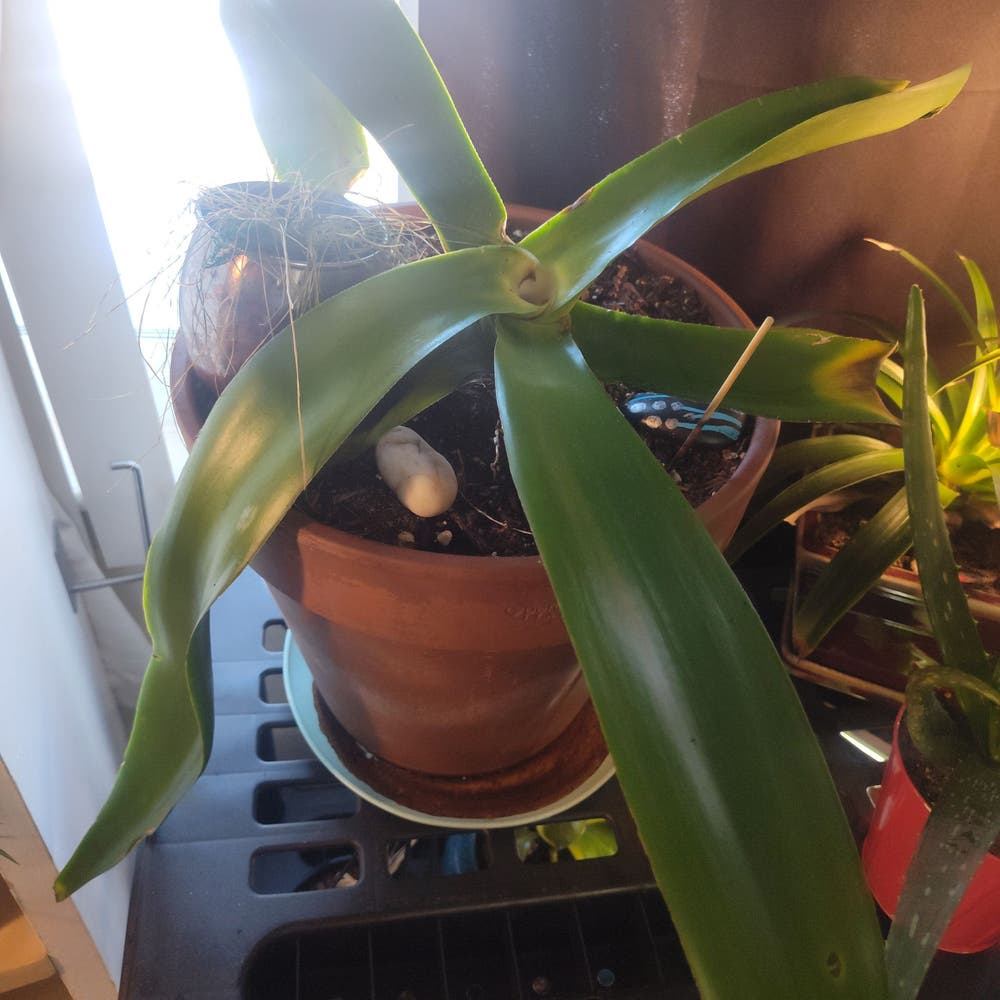
Understanding American Blue Agave: The Basics 🍹
Agave americana
By the Greg Editorial Team
Jan 29, 2025•12 min read
This article was created with the help of AI so we can cover more plants for you. May contain errors. See one? Report it here.
Discover the beauty and resilience of American Blue Agave, a stunning drought-resistant plant for your garden! 🌵
- 🌞 American Blue Agave needs 6-8 hours of sunlight for optimal growth.
- 🌱 Well-draining soil with pH 6.0-7.5 is crucial for healthy agave.
- 🚫 Overwatering causes yellow leaves; water only when soil is completely dry.
How to Grow
Choosing a Location 🌞
To thrive, American Blue Agave needs full sun, requiring 6-8 hours of direct sunlight daily. It flourishes best in warm, arid climates, making it ideal for desert gardens.
Soil Preparation 🏜️
For optimal growth, plant your agave in well-draining, sandy, or rocky soil. Aim for a pH level between 6.0 and 7.5, which is slightly acidic to neutral.
Planting Techniques 🌱
When planting, ensure the crown of the agave is above soil level to prevent rot. Space your plants 4-6 feet apart to allow for their expansive growth.
Watering Requirements 🚰
Water your agave only when the soil has dried out completely. Be cautious of overwatering; signs include yellowing leaves and a mushy texture.
Fertilizing Tips 🍽️
During the growing season in spring and summer, provide light feeding. Use a low-nitrogen, slow-release fertilizer to support healthy growth without overwhelming the plant.
Pruning Methods ✂️
Prune dead or damaged leaves as needed to maintain the plant's health. Always use clean, sharp pruning shears to avoid introducing diseases.
Ongoing Care 🛡️
If you're growing agave in containers, ensure they have drainage holes to prevent waterlogging. For outdoor plants, regularly monitor for pests and diseases to keep your agave thriving.
With these tips, you’re well on your way to cultivating a healthy American Blue Agave. Next, let’s explore how to propagate this resilient plant for even more growth opportunities!
Propagation
Methods 🌱
Propagation of American Blue Agave can be achieved through several effective methods, including offsets, seeds, and cuttings. Each method has its unique steps and benefits, making it easy to expand your agave collection.
Offsets 🌿
Offsets are small plants that grow around the base of the parent agave. They are the easiest way to propagate this resilient plant.
- Carefully remove offsets from the parent plant, ensuring you don’t damage the roots.
- Allow cut ends to callous for 1-2 days to prevent rot.
- Plant in well-draining soil, ensuring the offset is secure.
Seeds 🌼
Harvesting seeds from mature flower stalks is another method of propagation. This process requires patience but can be rewarding.
- Soak seeds in water for 24 hours to enhance germination.
- Plant in seed trays filled with well-draining soil.
- Keep moist until germination, which may take a few weeks.
Cuttings ✂️
Using healthy leaf sections for cuttings is a viable option for propagation. This method allows you to utilize existing plants effectively.
- Cut a healthy leaf into sections that are 6-8 inches long.
- Allow cut ends to callous for 1-2 days to reduce the risk of rot.
- Plant in well-draining soil, ensuring the cuttings are upright.
With these propagation methods, you can easily grow more American Blue Agave plants. Each technique offers a unique way to expand your garden and enjoy the beauty of this remarkable plant.
Next, let’s dive into the lifecycle of the American Blue Agave and understand its stages of growth.
Lifecycle
Stages of Growth 🌱
The lifecycle of the American Blue Agave is fascinating and spans several distinct stages.
Germination: Seeds typically take 2-3 weeks to sprout, marking the beginning of their journey.
Seedling Stage: This initial growth phase lasts several months, where the young plant establishes itself.
Vegetative Growth: For several years, the agave enters a rapid growth phase, expanding its size and strength.
Flowering: After 10-30 years, the agave produces a tall flower stalk, a remarkable sight that signifies maturity.
Seed Production: Following flowering, seeds develop, allowing the cycle to continue.
Lifespan ⏳
The average lifespan of an American Blue Agave ranges from 10 to 30 years. This longevity allows for a significant contribution to its environment and ecosystem.
Growth Rate 📈
Time to maturity is approximately 10 years, which is relatively moderate compared to other plants. The growth rate can vary based on environmental conditions, such as soil quality and sunlight exposure.
Understanding these lifecycle stages is crucial for anyone looking to cultivate American Blue Agave successfully. With patience and care, you can witness the incredible transformation of this resilient plant.
Next, we will explore the size of the American Blue Agave and what to expect as it matures.
Size
Mature Dimensions 🌱
American Blue Agave can reach impressive heights of up to 6 feet tall. Its spread can extend to about 10 feet wide, making it a striking addition to any garden.
Growth Rate and Variability 📈
The growth rate of Blue Agave is moderate, but it can vary significantly based on environmental conditions. Factors such as soil quality, sunlight exposure, and water availability play crucial roles in determining its ultimate size.
Understanding these dimensions and growth patterns can help you plan your garden layout effectively. With the right care, your Blue Agave can thrive and become a stunning focal point in your landscape.
Next, let’s explore the fascinating lifecycle of this remarkable plant.
Roots
Characteristics 🌱
American Blue Agave features a primarily taproot system, which allows it to anchor deeply into the soil. This root depth can extend several feet, enabling the plant to access moisture and nutrients from deeper layers.
Common Issues ⚠️
One of the most common problems with agave roots is root rot, often caused by overwatering. Symptoms include mushy roots that can lead to the plant's decline.
Identifying healthy roots is crucial for maintaining your agave. Healthy roots are firm and white, indicating a robust plant ready to thrive.
Rootbound Plants 🚧
Rootbound plants occur when roots circle the pot, restricting growth and nutrient uptake. This situation can stunt the plant's development and overall health.
To manage rootbound conditions, consider repotting into a larger container or dividing the plant. This will give your agave the space it needs to flourish.
As you care for your American Blue Agave, keeping an eye on root health will ensure a vibrant and resilient plant. Next, let’s explore the benefits of growing this remarkable species.
Benefits
Top 5 Benefits 🌟
Drought Resistance
American Blue Agave thrives in arid conditions, requiring minimal water. This makes it an excellent choice for gardens in dry climates, where water conservation is crucial.Aesthetic Appeal
With its striking rosette shape and vibrant colors, this plant adds a unique visual element to any landscape. Its architectural form can serve as a focal point in your garden.Cultural Significance
Integral to Mexican heritage, the American Blue Agave is the primary ingredient in tequila production. Its cultural roots make it more than just a plant; it’s a symbol of tradition and craftsmanship.Wildlife Attraction
This plant provides essential habitat for pollinators like bees and butterflies. By incorporating it into your garden, you contribute to local biodiversity and support these vital species.Medicinal Uses
Traditionally, various parts of the agave have been used in herbal remedies. Its leaves and sap have been known for their soothing properties, making it a valuable addition to natural medicine.
These benefits highlight why the American Blue Agave is not only a practical choice for gardeners but also a plant rich in cultural and ecological value. As we explore its propagation methods next, you'll discover how to share this remarkable plant with others.
Companion Plants
Best Companions 🌵
When it comes to companion planting with American Blue Agave, certain plants thrive alongside it.
- Cacti: These spiky friends share similar care needs and drought tolerance, making them ideal partners in arid gardens.
- Succulents: Like agave, succulents flourish in well-draining soil and require minimal water, creating a harmonious landscape.
- Herbs: Aromatic herbs such as rosemary and thyme not only complement the agave aesthetically but also help repel pests.
Plants to Avoid 🚫
While some plants work well with agave, others can hinder its growth.
- Heavy feeders: Plants like tomatoes compete for nutrients and can deplete the soil, leaving your agave struggling to thrive.
By choosing the right companions, you can create a vibrant garden that supports the health and beauty of your American Blue Agave.
Next, let’s explore the potential toxicity of this fascinating plant to pets, ensuring a safe environment for your furry friends.
Toxicity to Humans
Toxic Parts 🌿
American Blue Agave contains toxic compounds, primarily saponins and oxalic acid, which are present in its leaves and sap. These substances can pose health risks if ingested.
Symptoms 🤢
If someone consumes parts of the plant, they may experience symptoms such as nausea, vomiting, diarrhea, and dizziness. It's crucial to recognize these signs early to mitigate potential harm.
Guidance 🚑
If ingestion occurs, seeking immediate medical attention is vital. Quick action can make a significant difference in treatment outcomes, so don’t hesitate to reach out for help.
Understanding the toxicity of American Blue Agave is essential for safe handling and enjoyment of this unique plant. Next, let’s explore its edible properties and how to harvest them safely.
Edible Properties
Edible Parts 🌮
The American Blue Agave is not just a beautiful plant; it also offers delicious edible parts. The heart, known as the piña, and the flower stalk are both prized for their culinary uses.
Harvesting Techniques ✂️
When it comes to harvesting, precision is key. Carefully cut the heart while avoiding the sharp spines that can easily cause injury.
Nutritional Value 🥗
Nutritionally, the piña is a powerhouse. It's rich in fiber and antioxidants, making it a healthy addition to your diet.
The versatility of the American Blue Agave extends beyond its striking appearance, offering both flavor and health benefits. As you explore its edible properties, consider incorporating these elements into your meals for a unique twist.
Next, let's delve into the fascinating topic of toxicity, particularly regarding pets.
Toxicity to Dogs
Toxic Parts and Symptoms 🐶
American Blue Agave can pose a risk to dogs due to the presence of saponins in its leaves and sap. If ingested, dogs may exhibit symptoms such as drooling, vomiting, and weakness.
Risks and Prevention 🚫
Dogs are naturally curious and may chew on the leaves of the agave plant. To prevent any unfortunate incidents, supervise your dog during outdoor time and consider removing the plant from your garden.
By taking these precautions, you can enjoy the beauty of American Blue Agave while keeping your furry friends safe.
Next, let’s explore the toxicity of American Blue Agave to cats and how to protect them.
Toxicity to Cats
🐱 Toxic Parts and Symptoms
American Blue Agave contains saponins, the same toxic compounds found in its cousin, the dog-friendly plant. If your cat nibbles on the leaves, watch for symptoms like drooling, vomiting, and weakness.
⚠️ Risks and Prevention
Cats are curious creatures and may be tempted to chew on agave leaves. To keep your feline friends safe, it's best to keep them indoors and supervise their outdoor time.
Problems
Common Issues 🌵
Growing American Blue Agave can be rewarding, but it comes with its share of challenges.
Incorrect Watering: Overwatering is a common mistake, leading to yellowing leaves and a mushy texture.
Incorrect Light Conditions: If your agave is getting too much sun, you might notice leaf scorch, which appears as brown, crispy edges.
Diseases: Fungal issues, such as powdery mildew, can also plague your plant, especially in humid conditions.
Solutions 💡
To combat overwatering, allow the soil to dry out completely before the next watering. This simple adjustment can save your agave from root rot.
For light issues, consider relocating your plant to a spot with filtered sunlight. This will help prevent leaf scorch while still providing the necessary light.
If you encounter fungal diseases, applying fungicide can be effective. Additionally, improving air circulation around the plant can help prevent future outbreaks.
By addressing these common problems proactively, you can ensure your American Blue Agave thrives beautifully. Next, let’s explore the fascinating world of pests that might affect your agave.
Bugs
🐜 Potential Pest Issues
While American Blue Agave is generally a hardy plant, it can still fall prey to certain pests. Keeping an eye out for these invaders is crucial for maintaining the health of your agave.
🔍 Identification and Treatment
Spider Mites: Look for fine webbing on the leaves and stippled discoloration. These tiny pests can quickly multiply, so early detection is key.
Mealybugs: These appear as cotton-like masses on the leaves. They can weaken your plant by sucking out its sap, so act promptly if you spot them.
🧪 Treatment Options
For pest control, Neem Oil is a fantastic natural pesticide. It disrupts the life cycle of pests without harming your plant.
Insecticidal Soap is another effective option, particularly against soft-bodied insects like mealybugs. Regular applications can help keep your agave pest-free.
By staying vigilant and employing these treatments, you can ensure your American Blue Agave thrives without unwanted guests. Next, let’s explore what animals might be tempted to munch on your agave.
What Eats American Blue Agave
Common Animals 🦌
American Blue Agave is a beautiful plant, but it can attract some unwanted visitors.
Deer are notorious for munching on agave, leaving behind chewed leaves and broken stems as evidence of their snacking spree.
Rabbits also find agave appealing, often nibbling on the lower leaves, which can lead to an unsightly appearance.
Deterrent Methods 🚫
To protect your agave from these hungry herbivores, consider using chemical repellents. Commercial deer repellents can effectively deter these animals from feasting on your plants.
For a more natural approach, try organic methods. Planting deterrent species nearby can help keep deer and rabbits at bay, allowing your agave to thrive without interference.
By taking these precautions, you can enjoy the beauty of your American Blue Agave without the worry of it becoming a buffet for local wildlife.
⚠️ Safety First
This content is for general information and may contain errors, omissions, or outdated details. It is not medical, veterinary advice, or an endorsement of therapeutic claims.
Always consult a qualified healthcare professional before using any plant as food, medicine, or supplement.
Never eat any plant (or feed one to pets) without confirming its identity with at least two trusted sources.
If you suspect poisoning, call Poison Control (800) 222-1222, the Pet Poison Helpline (800) 213-6680, or your local emergency service immediately.
Spotted an error? Please report it here.
Grow your American Blue Agave like a pro 🌵 with Greg's tailored watering reminders and expert care tips to keep it thriving and beautiful in your garden!