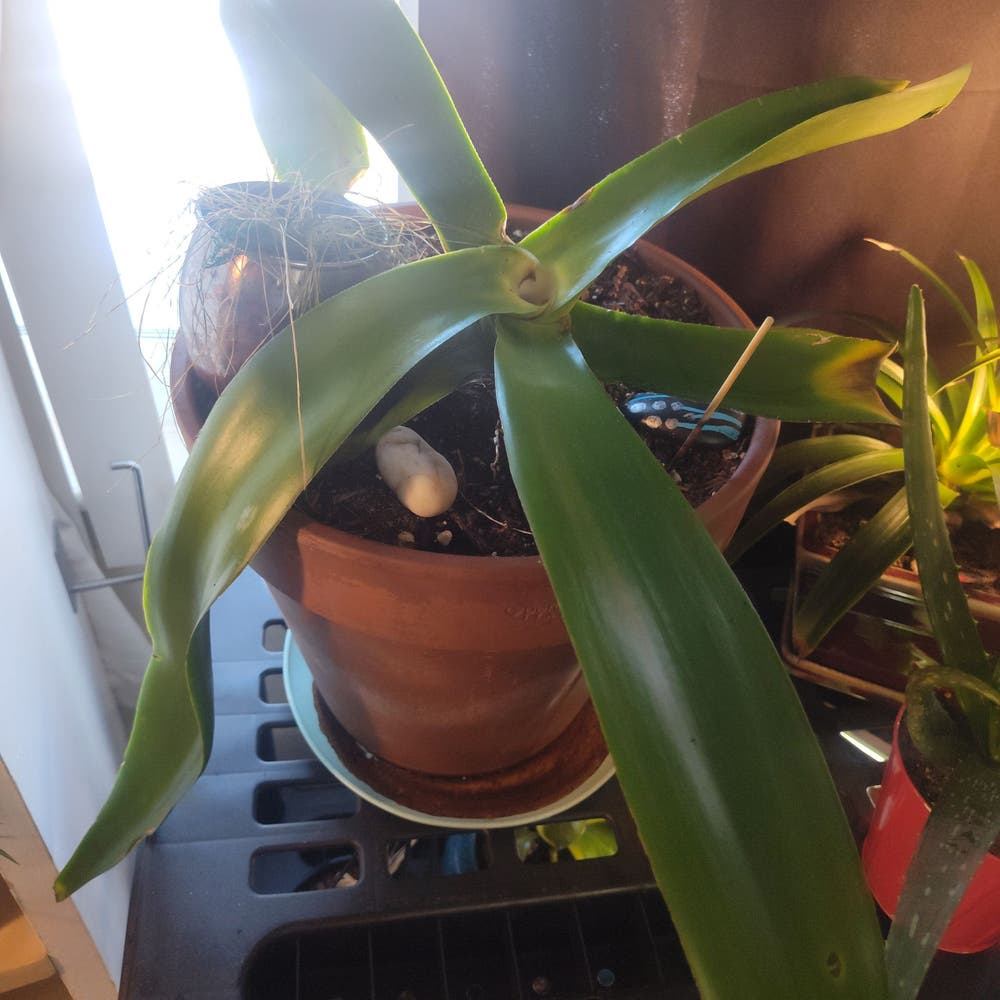
🌵 Why Your Thorn-Crested Century Plant Leaves Are Dropping
Agave americana
By the Greg Editorial Team
Sep 29, 2024•6 min read
This article was created with the help of AI so we can cover more plants for you. May contain errors. See one? Report it here.
Master essential care techniques 🌱 to keep your Thorn-Crested Century Plant vibrant and prevent leaf drop!
- 💧 Overwatering causes leaf drop; ensure soil dries out between waterings.
- 🌞 Thorn-crested century plants need 6-8 hours of sunlight for optimal growth.
- 🐛 Regular pest inspections are crucial to maintain plant health and prevent infestations.
Causes of Leaf Drop
💧 Overwatering and Its Effects
Overwatering is a common issue that can lead to serious problems for your thorn-crested century plant. Symptoms include leaf yellowing and mushiness, often accompanied by root rot development.
To prevent water accumulation, it's crucial to use well-draining soil. Excess moisture can stress the plant, making it more susceptible to diseases.
🚰 Underwatering and Dehydration
On the flip side, underwatering can also cause distress. Symptoms of dehydration include leaf curling and browning at the tips, along with dry, shriveled leaves.
Consistent watering practices are essential to maintain moisture levels and keep your plant thriving.
🐛 Pest Infestations
Pest infestations can wreak havoc on your plant's health. Common culprits include mealybugs, which appear as white, cotton-like masses on leaves, and aphids, small green or black insects that target new growth.
Signs of pest damage include leaf discoloration and distortion, along with a sticky residue known as honeydew.
🌱 Nutrient Deficiencies
Nutrient deficiencies can also lead to leaf drop. A lack of nitrogen causes yellowing of older leaves, while potassium deficiency results in browning leaf edges.
Balanced fertilization is vital for optimal growth, ensuring your plant receives the nutrients it needs.
🍄 Fungal Infections and Root Rot
Fungal infections can manifest through dark, mushy roots and leaf spots. You may notice wilting even when the plant is adequately watered.
Prevent these issues by ensuring proper soil drainage and employing effective watering techniques.
Understanding these causes can help you take proactive steps to keep your thorn-crested century plant healthy and vibrant. Next, we’ll explore preventive measures to safeguard against these common issues.
Preventive Measures
Proper Watering Techniques 🌊
To keep your Thorn-Crested Century Plant thriving, it's crucial to master your watering routine. Allow the soil to dry out between waterings to prevent overwatering, which can lead to root rot.
Deep watering is essential as well. This encourages the roots to grow deeper, making your plant more resilient.
Soil Selection and Drainage Tips 🏺
Choosing the right soil is a game-changer for your plant's health. A well-draining cactus mix or sandy loam is recommended to ensure excess water doesn't linger.
Don't overlook drainage holes in your pots. They are vital for preventing water accumulation, which can suffocate your plant's roots.
Pest Prevention Strategies 🐜
Regular inspections are your first line of defense against pests. Check your plant bi-weekly to catch any infestations early.
Consider using neem oil or insecticidal soap as preventive measures. These organic options can help keep pests at bay without harming your plant.
Nutrient Management and Fertilization 🌱
A balanced fertilization schedule is key during the growing season. Use a balanced fertilizer to provide essential nutrients your plant needs.
Always follow package instructions for application rates. Over-fertilizing can be just as harmful as under-fertilizing.
Ideal Environmental Conditions ☀️
Your Thorn-Crested Century Plant craves sunlight. Aim for full sun exposure, ideally 6-8 hours daily, to promote optimal growth.
Maintaining stable temperature and humidity levels is equally important. Fluctuations can stress your plant, leading to leaf drop and other issues.
By implementing these preventive measures, you can create a nurturing environment for your Thorn-Crested Century Plant. This proactive approach will help you avoid common pitfalls and ensure your plant remains healthy and vibrant.
Next, let’s explore effective treatment solutions for when things go awry.
Treatment Solutions
🌊 How to Treat Overwatered Plants
Overwatering can be a silent killer for your Thorn-Crested Century Plant. Start by removing the plant from its pot to assess the root situation.
Inspect the roots carefully and trim away any that are mushy or rotten. Once you've done that, repot the plant in fresh, dry soil to give it a fighting chance. Finally, adjust your watering schedule to prevent this issue from happening again.
💧 Steps to Revive an Underwatered Plant
If your plant is underwatered, it’s time to take action. Begin by watering it thoroughly, ensuring that excess water can drain out.
Next, keep a close eye on soil moisture levels to avoid future mishaps. If the air is dry, consider gradually increasing humidity around the plant to help it bounce back.
🐛 Pest Control Methods
Pests can wreak havoc on your plant’s health, so it’s crucial to tackle them head-on. For organic options, neem oil and insecticidal soap are effective and gentle choices.
If the infestation is severe, you might need to resort to systemic insecticides. Always follow the instructions carefully to ensure safety and effectiveness.
🥦 Addressing Nutrient Deficiencies
Nutrient deficiencies can lead to serious issues, so it’s important to identify them early. Start with soil testing to determine which nutrients are lacking.
Once you know what your plant needs, apply the appropriate fertilizers to restore balance. This will help your plant thrive and prevent future deficiencies.
🍄 Managing Fungal Infections
Fungal infections can be tricky, but you can manage them with the right approach. Begin by removing any affected leaves to stop the spread.
Improving air circulation around the plant is also essential. If the problem persists, consider applying a fungicide, making sure to follow the label instructions for best results.
By addressing these treatment solutions, you can help your Thorn-Crested Century Plant regain its health and vitality. Next, let’s explore some long-term care strategies to keep your plant thriving.
Long-term Care Strategies
🌦️ Seasonal Care Adjustments
Adjusting your care routine with the changing seasons is crucial for your Thorn-Crested Century Plant. Watering and fertilization should align with the plant's growth patterns, ensuring it receives the right nutrients at the right time.
During warmer months, pests can become more active. Increase your monitoring frequency to catch any infestations early, keeping your plant healthy and thriving.
🔍 Monitoring Plant Health Regularly
Establishing a routine for checking your plant's health is essential. Regularly inspect leaf condition and soil moisture to catch any issues before they escalate.
Consider keeping a journal to track changes and care practices. This will help you identify what works best for your plant over time.
🌱 Best Practices for Repotting
Repotting is a vital part of long-term care. Aim to repot your Thorn-Crested Century Plant every 2-3 years or whenever it becomes root-bound.
When repotting, use fresh soil and ensure proper drainage. This will provide your plant with the nutrients it needs to flourish.
📍 Choosing the Right Location for Optimal Growth
Selecting the right spot for your plant can make all the difference. Ensure it receives adequate sunlight, ideally 6-8 hours daily, to promote healthy growth.
Temperature stability is also key. Avoid placing your plant in drafty areas or near extreme temperature fluctuations to minimize stress.
By following these long-term care strategies, you'll help your Thorn-Crested Century Plant thrive for years to come. Next, let’s explore effective treatment solutions for common issues that may arise.
⚠️ Safety First
This content is for general information and may contain errors, omissions, or outdated details. It is not medical, veterinary advice, or an endorsement of therapeutic claims.
Always consult a qualified healthcare professional before using any plant as food, medicine, or supplement.
Never eat any plant (or feed one to pets) without confirming its identity with at least two trusted sources.
If you suspect poisoning, call Poison Control (800) 222-1222, the Pet Poison Helpline (800) 213-6680, or your local emergency service immediately.
Spotted an error? Please report it here.
Keep your thorn-crested century plant thriving 🌿 by using Greg's tailored reminders and expert tips to master watering and pest prevention for a lush, healthy garden!