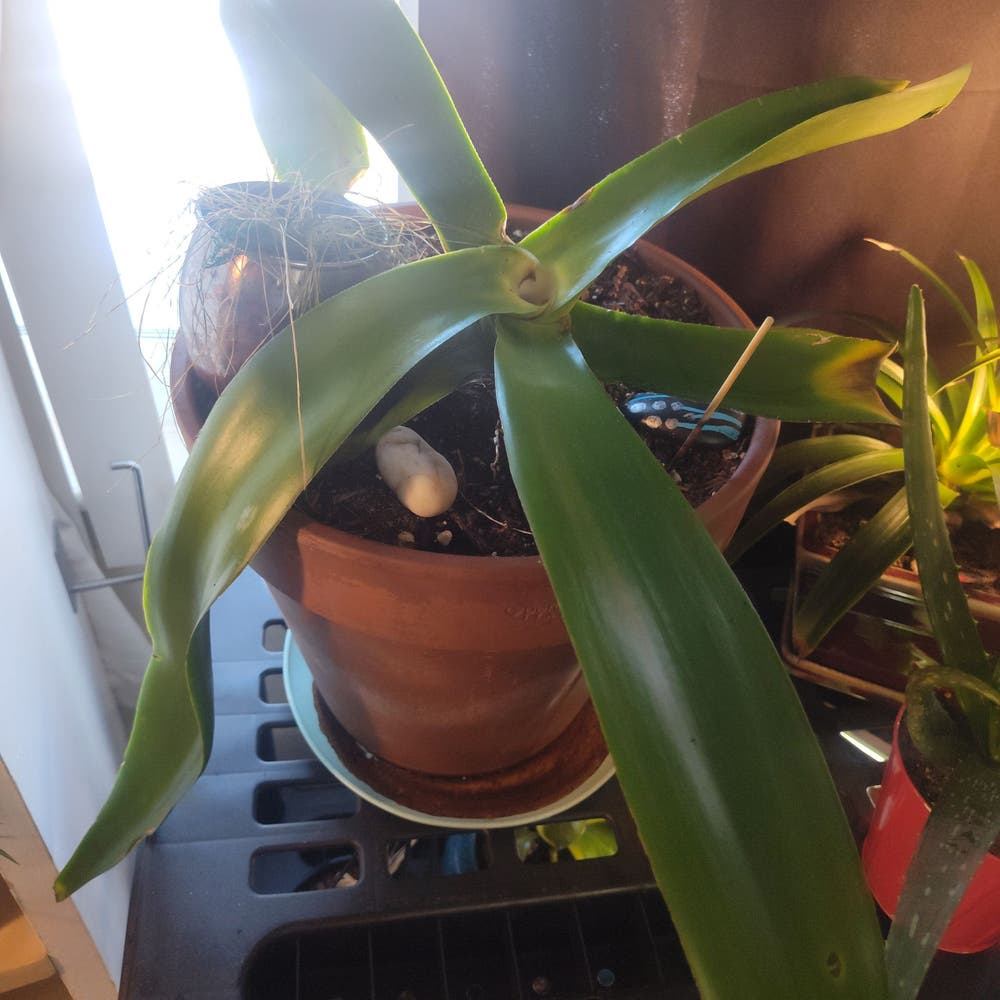
How To Fertilize Your Century Plant
Agave americana
By the Greg Editorial Team
Jun 08, 2024•7 min read
This article was created with the help of AI so we can cover more plants for you. May contain errors. See one? Report it here.
Nurture a spectacular Century Plant bloom with tailored fertilization know-how. 🌵✨
- Macronutrients and micronutrients are key for Century Plant health.
- Use a 10-6-4 N-P-K fertilizer; organic options available.
- Monitor and adjust fertilization to prevent over-fertilization and encourage blooming.
Essential Nutrients for Century Plant Fertilization
To ensure your Century Plant thrives, macronutrients and micronutrients are non-negotiable. Let's break down the buffet of elements your plant craves.
💪 Macronutrients
Nitrogen (N)
Nitrogen is the muscle behind lush, green growth. It's like the protein shake for your plant, fueling the creation of new cells and photosynthesis.
🌱 Phosphorus (P)
Phosphorus is the plant's project manager, overseeing root development and the blooming process. Think of it as the behind-the-scenes hero for those impressive flowers.
🍇 Potassium (K)
Potassium is the plant's immune booster, warding off diseases and enhancing fruit quality. It's the daily vitamin that keeps your Century Plant fighting fit.
Secondary Nutrients
- Calcium (Ca) strengthens plant walls and roots.
- Magnesium (Mg) is a key player in photosynthesis.
- Sulfur (S) builds proteins and amps up chlorophyll.
🔍 Micronutrients
These are the trace elements that, despite their size, pack a punch in plant health.
🩸 Iron (Fe)
Iron is essential for chlorophyll, basically the plant's blood for transporting oxygen.
🌿 Manganese (Mn)
Manganese activates enzymes, like a natural catalyst for your Century Plant's chemical reactions.
🌱 Zinc (Zn)
Zinc manages sugar and growth, ensuring your plant doesn't get a case of the "sugar highs."
🌾 Copper (Cu), Boron (B), and Others
These are the supporting cast, small yet mighty, ensuring your plant's overall well-being.
Remember, it's a delicate dance of nutrients. Too much of a good thing can lead to over-fertilization, a real party pooper for your plant's health. Keep it balanced, and your Century Plant will show its gratitude with stunning growth and blooms.

Signs of Nutrient Deficiency and Addressing Them
🌱 Identifying Nutrient Deficiencies
Yellowing leaves or stunted growth in your Century Plant? These are telltale signs screaming "nutrient deficiency!" To get to the root of the issue, observe the plant's new growth at the top and older growth at the bottom. A soil pH test is your next best friend—get one and use it.
🛠 Addressing the Deficiencies
Once you've played detective with your plant's symptoms, it's time for action. Nitrogen deficiency? You'll see older leaves turning yellow. Magnesium issues? Look for yellow edges with green centers. Don't just throw fertilizer at the problem—target the specific deficiency.
💧 Macronutrient Solutions
For macronutrient woes, a balanced, slow-release fertilizer should do the trick. Remember, replace these at least once every growing season. Overdoing it can lead to more problems, like salt buildup—nobody wants that.
🌾 Micronutrient Solutions
Micronutrient deficiencies are trickier. Copper, iron, zinc—these are just a few of the micronutrients your Century Plant may be craving. Composting can be a cure-all here, enriching the soil with a smorgasbord of these vital nutrients. But again, moderation is key—too much compost, and you're back to square one.
💡 Pro Tips
Before you go all in with treatments, rule out other culprits like pests or diseases. And remember, each plant is its own beast—what works for one may not work for another. Treat your Century Plant like the individual it is, and you'll be on your way to a vibrant, blooming success.

Choosing the Right Fertilizers
When it comes to fertilizing your Century Plant, think tailored suit, not off-the-rack. A balanced, slow-release fertilizer is your best bet, one that's been specifically formulated to encourage those once-in-a-lifetime blooms. Look for an N-P-K ratio of 10-6-4; it's like the secret handshake for Century Plants, giving them the right mix of nutrients without overwhelming them.
💪 The N-P-K Lowdown
The N-P-K ratio is the heavyweight champion of plant nutrition, dictating the balance of nitrogen, phosphorus, and potassium. Your Century Plant craves a specific mix to flex its blooming muscles. Too much nitrogen, and you'll get all leaves and no show. Remember, it's a marathon, not a sprint – slow-release granules will keep your plant fed without the risk of a nutrient overdose.
🌿 Organic Options
If you're the type to brew your own kombucha or make soap from scratch, you might lean towards organic fertilizers. They're like the comfort food of the plant world – wholesome and no surprises. They release nutrients at a plant-friendly pace and improve soil health, which is a win-win for your Century Plant.
🚨 A Word to the Wise
Don't get seduced by the siren song of high-powered fertilizers. More isn't always better. Overdoing it can lead to a salt-packed soil soiree that nobody wants an invite to, especially your Century Plant. Stick to the recommended amounts and watch your green giant thrive.

Fertilization Timing and Frequency
💡 When to Fertilize
Timing is everything when it comes to fertilizing your Century Plant. Begin in early spring as the plant wakes from its winter rest. Frequency should follow a simple rule: fertilize once at the start of the growing season and then again just before the blooming period. This approach ensures your plant gets the nutrients it needs when it needs them most.
💧 How Often to Fertilize
During the growing season, a monthly application of a balanced fertilizer supports vigorous growth. However, as the plant prepares to bloom, which may not be every year, reduce this frequency. The goal is to avoid over-fertilizing, which can lead to nutrient burn and diminished blooming potential.
🌱 Application Method
Dilute your chosen fertilizer according to the package instructions—over-concentration is a common misstep. Apply the solution around the base of the plant, ensuring even distribution. This method helps the roots absorb nutrients efficiently, promoting healthy growth and supporting the plant's blooming stage.
🔄 Adjusting Your Approach
Observe your plant's response. If the leaves are a vibrant green and the plant seems robust, you're on the right track. Signs of over-fertilization, such as salt buildup or leaf burn, mean it's time to cut back. Remember, the Century Plant is hardy; it's often more at risk from too much care than too little.
Monitoring and Adjusting Fertilization
👀 Keeping an Eye on Your Century Plant
Observation is key when monitoring your Century Plant's reaction to fertilization. Look for signs of vigor and blooming, which indicate a positive response. Conversely, stunted growth or yellowing leaves suggest a need to adjust your fertilization strategy.
🛡️ Tackling Over-Fertilization
Over-fertilization can lead to salt buildup and root damage. To prevent this, cut back on the frequency or concentration of fertilizer. If you spot a white crust on the soil surface, it's time to flush the soil with water to dissolve excess salts.
💡 Soil Testing: Your Best Friend
Regular soil testing can save you a lot of guesswork. It helps pinpoint nutrient imbalances, allowing you to tailor your fertilization plan. This is especially crucial for the Century Plant, which has specific nutrient needs for blooming.
🌱 The Art of Fertilizer Adjustment
Adjusting fertilization isn't just about quantity; it's about timing and formulation. If your plant is blooming less than expected, consider switching to a fertilizer with a higher phosphorus content to encourage more blooms.
🚰 Preventing the Dreaded Fertilizer Burn
To avoid fertilizer burn, water your Century Plant thoroughly after applying fertilizer. This helps distribute nutrients evenly and prevents them from concentrating in one spot, which can harm the roots.
When Less is More
Sometimes, the best action is to dial back. If you notice signs of over-fertilization, such as excessive growth with insufficient support, reduce the amount of fertilizer. Remember, a little goes a long way with these resilient plants.
🌿 Continuous Learning
Stay curious and keep learning about your plant's needs. Each Century Plant may respond differently, so what works for one might not work for another. Embrace the trial and error process—it's all part of the gardening adventure.
⚠️ Safety First
This content is for general information and may contain errors, omissions, or outdated details. It is not medical, veterinary advice, or an endorsement of therapeutic claims.
Always consult a qualified healthcare professional before using any plant as food, medicine, or supplement.
Never eat any plant (or feed one to pets) without confirming its identity with at least two trusted sources.
If you suspect poisoning, call Poison Control (800) 222-1222, the Pet Poison Helpline (800) 213-6680, or your local emergency service immediately.
Spotted an error? Please report it here.
Ensure your Century Plant flourishes with tailored fertilization reminders 📅 from Greg, perfectly timed for nutrient boosts and vibrant blooms!