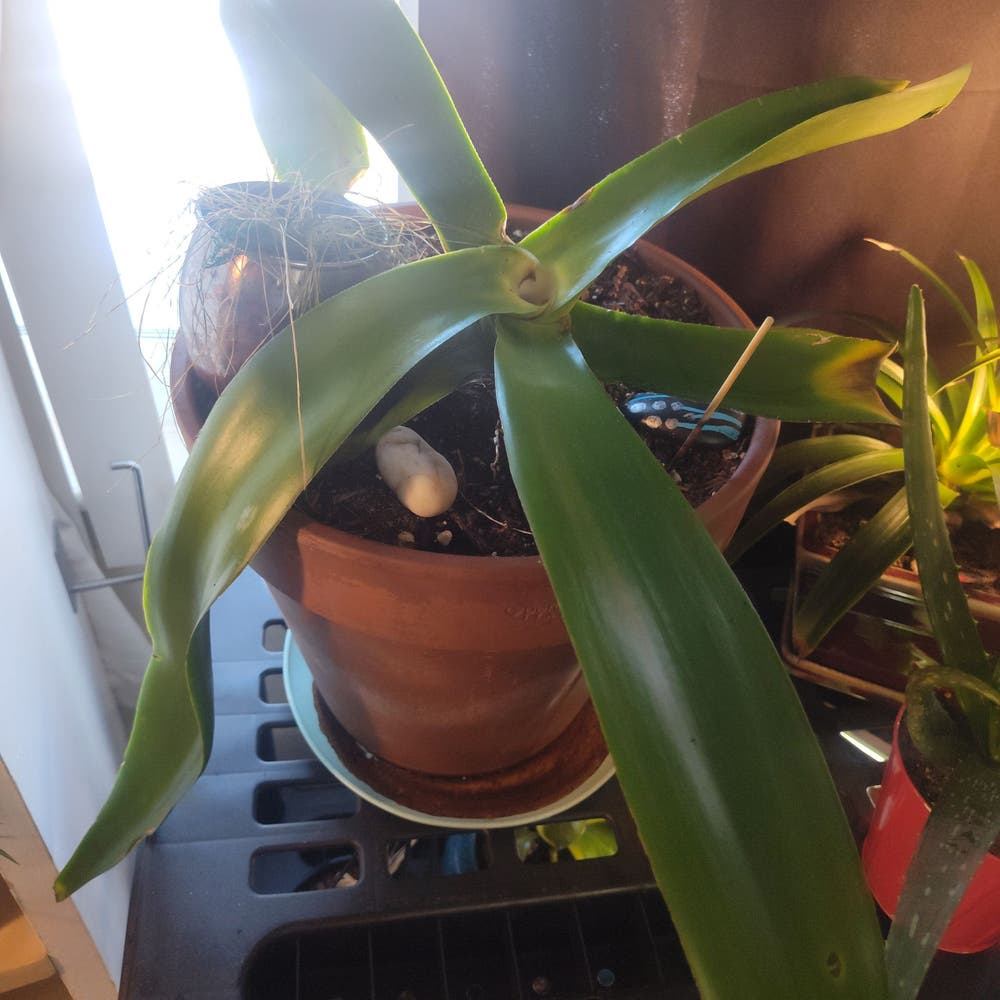
Why Are My Century Plant Leaves Curling?
Agave americana
By the Greg Editorial Team
Jun 08, 2024•4 min read
This article was created with the help of AI so we can cover more plants for you. May contain errors. See one? Report it here.
Unravel the mystery behind your Century Plant's curling leaves and restore its vigor! 🌿✨
- Excessive sun and poor watering lead to leaf curling. Adjust care accordingly.
- Nutrient deficiencies and water quality affect leaf health. Use balanced fertilizer and distilled water.
- Prune and repot to promote healthy growth and alleviate root-bound stress.
Common Causes of Century Plant Leaf Curling
🌞 Environmental Stressors
Excessive sunlight can lead to a Century Plant's self-defense mechanism: curling leaves. It's the plant's way of saying, "I've had enough sunbathing for today, thanks." Similarly, inadequate watering can cause leaves to curl or cup. It's like the plant is trying to conserve every last drop of moisture it can get its parched 'hands' on.
🍽️ Nutrient Deficiencies
Moving on to the belly of the beast, nutrient deficiencies can wreak havoc on your Century Plant's leaf health. Yellowing leaves with curled edges might be crying out for a balanced meal. Think of it as the plant's version of a stomach rumble, indicating it's time to replenish with essential nutrients like nitrogen, phosphorus, and potassium.
🚰 Water Quality
Tap water is a no-go for some plants, including the Century Plant. Chlorine, fluoride, and salts can build up and cause the leaves to curl as if they're recoiling from the taste. Using distilled or rainwater can be like offering a gourmet drink to your green friend.
🌱 Soil and Root Health
Lastly, let's not forget the roots. A Century Plant cramped in its pot is like a growing teenager in toddler shoes—uncomfortable and restricted. Ensuring proper soil aeration and timely repotting can prevent roots from strangling themselves, which often results in the leaves curling in distress.
Remember, your Century Plant isn't just being dramatic; leaf curling is its SOS signal. Listen closely, and you can keep those leaves as flat as a pancake.

Alleviating Leaf Curling
💧 Adjusting Watering Practices
Overwatering is a common misstep. If your Century Plant's leaves are curling, it might be drowning in love. Cut back on the H2O and wait until the soil's top layer feels like a dry desert before watering again. For the underwatered, it's time to quench that thirst. Ensure a consistent watering schedule, allowing the soil to dry slightly between sessions.
🌱 Implementing Proper Fertilization
Nutrient deficiencies can turn your plant into a curling catastrophe. A balanced fertilizer can be the hero here. Aim for a mix with equal parts nitrogen, phosphorus, and potassium (think 5-5-5). But beware of overfeeding; it's like giving your plant a food coma. If you've been heavy-handed, flush the soil with water to clear out the excess and give your plant a fresh start.

Specific Care Practices
✂️ Pruning Damaged Leaves
When your Century Plant throws a tantrum with curled leaves, it's time for a trim. Prune the drama away by snipping off the damaged or curled leaves. This isn't just a cosmetic fix; it redirects the plant's energy to the healthier growth. Use clean, sharp tools to make precise cuts, and don't go Edward Scissorhands on your plant—less is more.
🌱 Addressing Root-Bound Issues
Root-bound plants are like claustrophobic party guests—they need space to breathe. If your Century Plant is packed tighter than a subway at rush hour, consider repotting. Choose a new pot that's a size up and has good drainage. Gently tease out the roots if they're circling the pot, giving them a pep talk about exploring new horizons.
🌿 Soil Amendments
If your Century Plant's soil is more tragic than magic, it's time for a makeover. Mix in some perlite or peat moss to improve drainage and aeration. Remember, roots are like introverts—they need room to recharge.
Repotting Steps
- Choose a larger container with drainage holes to give those roots the luxury suite they deserve.
- Remove the plant with care, as if defusing a bomb.
- Trim off any roots that look more dead than a doornail with clean, sharp scissors.
- Introduce the plant to its new home, filling in with fresh soil that's as nutrient-rich as a billionaire's bank account.
- Water thoroughly but don't drown it—think spa day, not waterboarding.
By following these care practices, your Century Plant will have the support it needs to straighten out its life—or at least its leaves.

⚠️ Safety First
This content is for general information and may contain errors, omissions, or outdated details. It is not medical, veterinary advice, or an endorsement of therapeutic claims.
Always consult a qualified healthcare professional before using any plant as food, medicine, or supplement.
Never eat any plant (or feed one to pets) without confirming its identity with at least two trusted sources.
If you suspect poisoning, call Poison Control (800) 222-1222, the Pet Poison Helpline (800) 213-6680, or your local emergency service immediately.
Spotted an error? Please report it here.
Prevent leaf curling in your Century Plant 🌿 with Greg's tailored reminders for watering, sunlight, and fertilization, ensuring it stays healthy and robust.