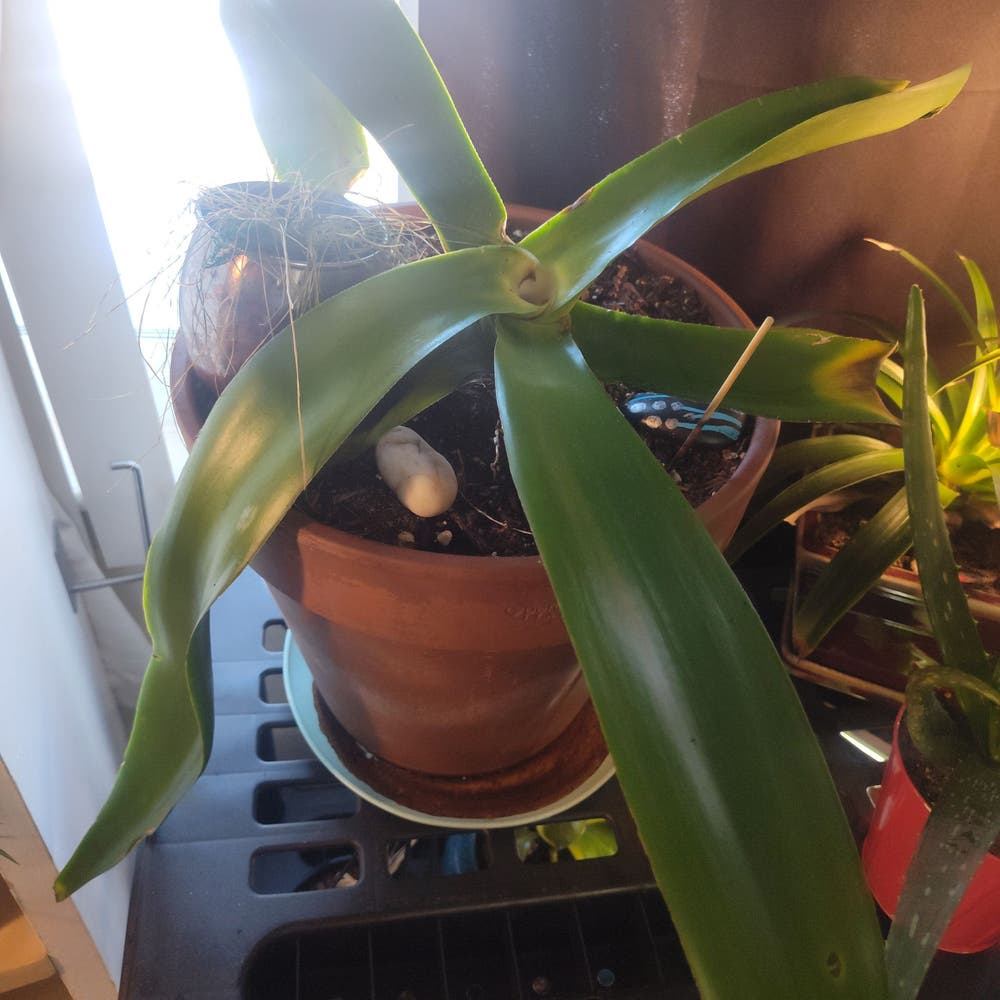
🌞 Does My Century Plant Need Direct Sunlight?
Agave americana
By the Greg Editorial Team
Jun 08, 2024•3 min read
This article was created with the help of AI so we can cover more plants for you. May contain errors. See one? Report it here.
Maximize your Century Plant's health with the right sunlight strategy 🌞🌵.
- Thrives in direct sunlight, but acclimatize to prevent sunburn.
- Window direction matters: North muted, South full, East soft, West intense.
- Use sheer curtains or shade cloth during peak sunlight hours.
Century Plant's Sunlight Requirements
🌞 Defining Sunlight for the Century Plant
Direct sunlight is the unfiltered solar handshake – it's all in with no obstacles. Think of your plant in a standoff with the sun, no clouds or curtains stepping in. Indirect sunlight is the sun's rays on a leash, softened by some form of barrier, like those semi-sheer curtains in your living room.
🏜️ Native Habitat and Sunlight Adaptations
The Century Plant hails from desert terrain, a land of relentless sun and scarce shade. Adapted to this environment, it's like a sunbathing pro, soaking up rays without breaking a sweat.
🌞 Direct Sunlight Needs and Tolerance
This succulent is a sun-seeker, thriving in the kind of bright, direct light that would send lesser plants running for cover. It's tough, with a built-in tolerance for the kind of solar intensity that comes with its desert heritage.

Impact of Window Direction on Century Plant's Sunlight Exposure
🌞 North, South, East, West: A Guide to Placement
Window direction is crucial for your Century Plant's tan. North-facing windows are the introverts of the bunch, offering a consistent but muted light that won't overwhelm your spiky friend. South-facing windows? They're the life of the party in the Northern Hemisphere, blasting full sun most of the day—great for a Century Plant, but watch out for sunburn. East-facing windows are the gentle morning types, giving your plant a soft glow to start the day. West-facing windows come in like a drama queen in the afternoon, with intense light that might just be too much of a good thing.
🌍 Hemisphere Influence on Sunlight Intensity
Geography isn't just for trivia night; it's key to your Century Plant's happiness. In the Northern Hemisphere, south-facing windows are your plant's best friend, offering the most consistent direct sunlight. Flip the script to the Southern Hemisphere, and it's the north-facing windows that are the MVPs for sunlight. Remember, the sun's angle changes with the seasons, so your Century Plant's perfect spot might need a seasonal shuffle.

Managing Direct Sunlight for Optimal Century Plant Health
🌞 Acclimatization to Direct Sunlight
Transitioning your Century Plant to direct sunlight is like updating your phone's software; it needs to be done carefully to prevent a system crash. Start by placing your plant in a spot with mild morning sun, gradually increasing its exposure over a few weeks. This slow dance with the sun helps your plant build up a tolerance, much like a tourist acclimating to high altitudes.
🛡️ Protective Measures Against Excessive Sunlight
Even the hardiest desert dweller can get a sunburn. To shield your Century Plant from the harsh midday sun, employ sheer curtains or a shade cloth during peak intensity hours. Think of it as applying sunscreen to your plant. Additionally, ensure the soil is dry between waterings to avoid root rot, because overwatering is just as harmful as a sunburn. Keep a vigilant eye on your spiky friend; signs of too much sun include discoloration or dry, crispy edges. If you catch these symptoms, it's time to dial back the sunlight and consider a more shaded locale.

⚠️ Safety First
This content is for general information and may contain errors, omissions, or outdated details. It is not medical, veterinary advice, or an endorsement of therapeutic claims.
Always consult a qualified healthcare professional before using any plant as food, medicine, or supplement.
Never eat any plant (or feed one to pets) without confirming its identity with at least two trusted sources.
If you suspect poisoning, call Poison Control (800) 222-1222, the Pet Poison Helpline (800) 213-6680, or your local emergency service immediately.
Spotted an error? Please report it here.
Ensure your Century Plant gets just the right amount of sunshine 🌞 with Greg's custom care reminders and location-specific sunlight advice!