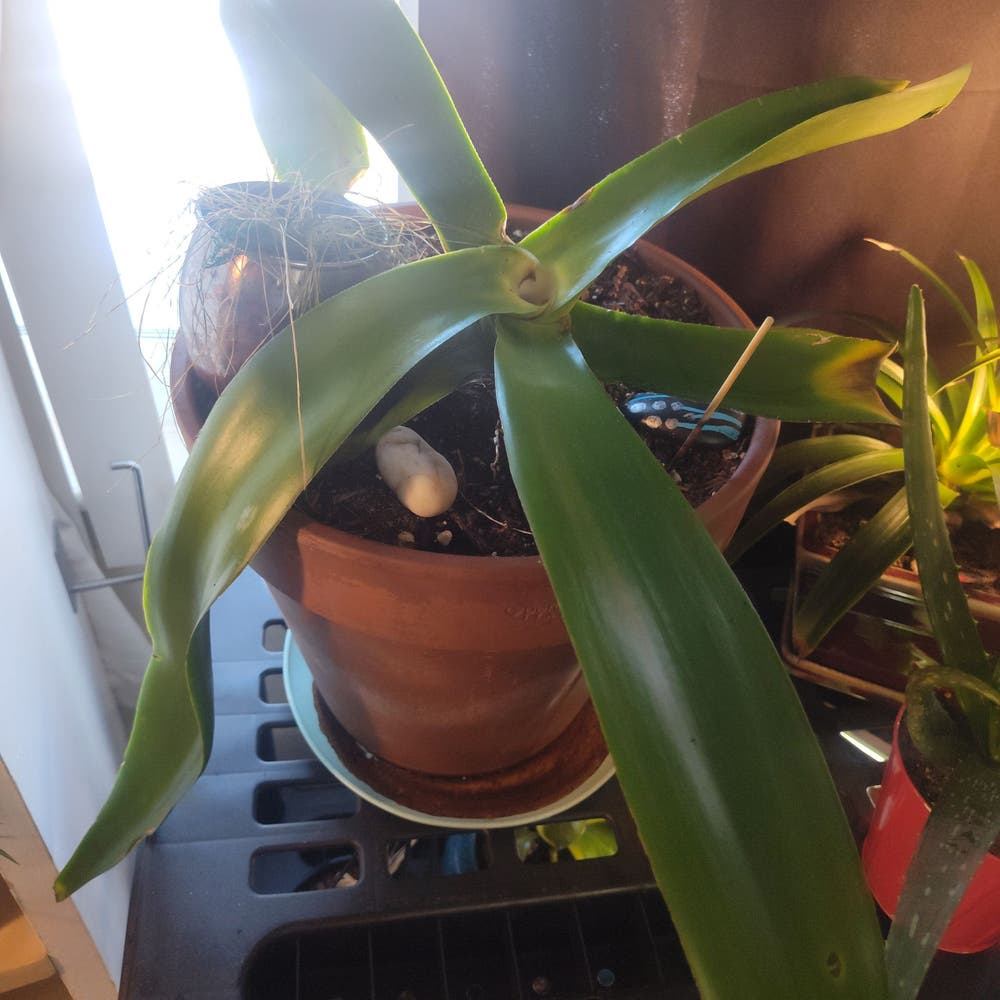
Why Are There Black Spots On My Century Plant Leaves?
Agave americana
By the Greg Editorial Team
Jun 08, 2024•8 min read
This article was created with the help of AI so we can cover more plants for you. May contain errors. See one? Report it here.
Safeguard your Century Plant's splendor 🌿 by tackling those mysterious black spots with our expert guide!
- Fungal infections, sunburn, pests: common causes of black spots.
- Overwatering, poor drainage: lead to root rot and black spots.
- Prevent with proper care: sunlight, watering, and regular inspection.
Causes of Black Spots on Century Plant Leaves
Delving into the dark mystery of black spots on Century Plant leaves, we find culprits ranging from the microscopic to the glaringly obvious.
🍄 Fungal Infections: The Invisible Enemy
Fungi, those sneaky spore-spreaders, love a moist environment. Overwatering your Century Plant or leaving it in soggy soil is practically an invitation for fungi to throw a black spot party. Cylindrocladium spathiphylli is one such uninvited guest, notorious for its brown lesions with yellow halos.
🌞 Sunburn: A Scorching Surprise
Think of sunburn as a plant's cry for sunscreen. Too much direct sunlight can cause the leaves to develop black spots, a sign they're literally getting cooked. It's a crispy end for the affected areas if not remedied.
🐜 Pest Infestations: The Sap-Sucking Scourge
Pests like spider mites and aphids are like vampires for plants, sucking the life-sap out of leaves and leaving behind telltale black spots. Regular inspections are your best defense against these tiny terrors.
🚰 Overwatering and Poor Drainage: The Root of the Problem
"Wet feet" isn't a dance move for plants; it's a distress signal. Overwatering and poor drainage can lead to root rot, which manifests as black spots on leaves. It's often mistaken for a nutrient deficiency, but it's really a cry for less water and more air.
🍽️ Nutrient Deficiencies: Starvation Signals
Speaking of nutrient deficiencies, they can also cause black spots. It's like the plant is trying to tell you it's starving. A balanced diet is crucial; too much or too little of any nutrient can lead to discoloration and spots.
🌿 Environmental Stress: The Silent Strain
Lastly, environmental stress, whether from cold drafts or pollution, can stress out your Century Plant. Stress in plants, much like in humans, can lead to all sorts of health issues, including those unsightly black spots.
In essence, your Century Plant's leaves are a canvas, and black spots are the signs of distress. Whether it's a fungal rave, a sunburnt leaf, or a pest buffet, each spot tells a story of imbalance in your plant's world.

Identifying Black Spots and Associated Symptoms
👀 Appearance of Black Spots
Century Plant leaves afflicted with black spots present with dark brown to black discolorations. These spots often have irregular edges and may appear saturated or "wet" in the center. Unlike the neat circles of some plant diseases, these lesions can be erratic in shape and size, sometimes occurring along the leaf margins or amidst the foliage.
🚨 Additional Symptoms
Wilting or yellowing often accompanies the black spots, signaling distress in the plant's health. In some cases, the affected areas may progress to browning, indicating a more advanced stage of damage. It's not just about the spots; these symptoms collectively suggest an underlying issue that requires attention.
⚠️ Warning on Handling
When removing diseased leaves, caution is advised due to the potential for skin irritation from the plant's sap. Protective clothing and gear are recommended to avoid any adverse reactions.
🌱 Observing New Growth
Keep an eye on new leaves. If black spots appear on them, it could indicate a persistent problem, such as a fungal infection or pest issue. Healthy new growth is a sign of recovery, but necrotic old leaves will not revive and should be removed to prevent further spread of disease.
☀️ Sunburn and Pest Damage
Not all black spots are due to disease. Sunburn can cause brown specks and crispy textures, while pests may leave behind brown or black patches. These causes require different approaches than fungal or bacterial infections.

Remedies for Black Spots
🍄 Fungal Infections: Targeted Treatments
Fungicides are your first line of defense against the pesky black spots caused by fungal infections. For an organic approach, neem oil is a natural fungicide that can be quite effective. If you're into DIY solutions, a baking soda mixture (1 tablespoon per gallon of water) with a dash of horticultural oil or soap can alter the pH on the leaf surface, deterring the fungus. Remember, consistency is key—apply weekly and follow the instructions meticulously.
☀️ Sunburn and Pest Infestations: Practical Techniques
Sunburn can leave your Century Plant looking like it forgot to apply SPF. Relocate the plant to a spot with indirect sunlight to prevent further damage. For pest infestations, consider a soft cloth and soapy water solution or a diluted isopropyl alcohol spray to gently remove the critters. Regular inspection and cleaning can go a long way in keeping these issues at bay.
Comprehensive Care
When it comes to black spots, whether they're from sunburn, pests, or fungus, isolation and treatment are your best friends. Isolate the affected plant to prevent the spread, and prune any damaged foliage. Always sterilize your tools after use to avoid cross-contamination. And remember, a healthy plant is the best defense—provide your Century Plant with the right conditions to thrive, and it'll be less susceptible to these problems.

Preventive Measures for Optimal Leaf Health
Proactive care is the best defense against black spots on Century Plant leaves.
🌞 Proper Sunlight Exposure
Sunlight is a friend, but like any good relationship, boundaries are key. Ensure your Century Plant receives plenty of light without the harshness of direct midday rays. A spot with bright, indirect sunlight will keep your plant's leaves spot-free and happy.
🍽️ Balanced Fertilization
Feed your plant, but don't overdo it. Use a balanced fertilizer and stick to the recommended schedule. Over-fertilizing is like an all-you-can-eat buffet; it seems like a good idea until you're left with a bad case of leaf burn.
🚰 Watering Practices
Water deeply but infrequently to promote strong root growth. The soil should feel like a wrung-out sponge—moist but not soggy. Overwatering is the fast track to fungal infections, so let the soil dry out a bit between waterings.
👩🔬 Regular Inspection
Play detective with your plant. Regularly inspect for early signs of trouble, such as discoloration or wilting. Catching issues early can mean the difference between a quick fix and a plant autopsy.
🏜️ Soil and Drainage
Ensure your Century Plant's soil is well-draining. Poor drainage is like wet socks on a cold day—uncomfortable and a breeding ground for all sorts of problems.
🌡️ Temperature Considerations
Keep temperatures consistent. Century Plants enjoy warmth but think "cozy sweater" rather than "desert heatwave." Sudden temperature changes can stress your plant, leading to black spots.
By following these guidelines, you'll not only prevent black spots but also foster a thriving environment for your Century Plant. Remember, it's all about giving your plant the right amount of love—not too little, not too much.
Significance of Leaf Health for Century Plant
🌿 The Lifeline of the Century Plant
Healthy leaves are the lifeline of the Century Plant (Agave americana). They are not just for show; they are the plant's powerhouses, essential for growth and survival. Each leaf functions as a mini factory, where the magic of photosynthesis happens, converting sunlight into the sugars the plant needs to thrive.
💧 Water Storage and Structural Support
The thick, fleshy leaves of the Century Plant are designed to store water, ensuring the plant can withstand periods of drought. This built-in reservoir allows the Century Plant to live up to its name, surviving for many years, though not quite a century. The leaves also provide structural support, helping the plant maintain its upright, majestic posture.
🌞 Care Requirements
Proper care is crucial to keep these leaves functioning at their best. Sunlight is non-negotiable; without it, photosynthesis is just a pipe dream. But like all good things, it's possible to have too much. Sunburn can damage leaves, leaving them with unsightly black spots. And let's not forget about pests and fungal infections—they love a good leaf as much as we do.
🍃 The Role of Leaves in Plant Health
Leaves are the plant's first responders, showing signs of distress like yellowing or wilting when something's amiss. It's the plant's way of crying out for help, whether it's begging for water or screaming about a nutrient deficiency. By keeping an eye on leaf health, we can prevent issues from escalating and ensure our Century Plants live long and prosper.
☠️ Toxins: Handle with Care
Remember, the Century Plant has a toxic side. Its sap can cause irritation, so always handle with care, especially when pruning. It's like the plant's way of saying, "Look, but don't touch."
In Conclusion
In short, the leaves of the Century Plant are more than just decorative frills. They're the workhorses that keep the plant alive and kicking. So, let's give them the respect and care they deserve. After all, without healthy leaves, a Century Plant is just another pretty face without the substance to back it up.
⚠️ Safety First
This content is for general information and may contain errors, omissions, or outdated details. It is not medical, veterinary advice, or an endorsement of therapeutic claims.
Always consult a qualified healthcare professional before using any plant as food, medicine, or supplement.
Never eat any plant (or feed one to pets) without confirming its identity with at least two trusted sources.
If you suspect poisoning, call Poison Control (800) 222-1222, the Pet Poison Helpline (800) 213-6680, or your local emergency service immediately.
Spotted an error? Please report it here.
Keep your Century Plant's leaves pristine 🌿 by leveraging Greg's custom environmental monitoring to nip black spots in the bud before they spread.