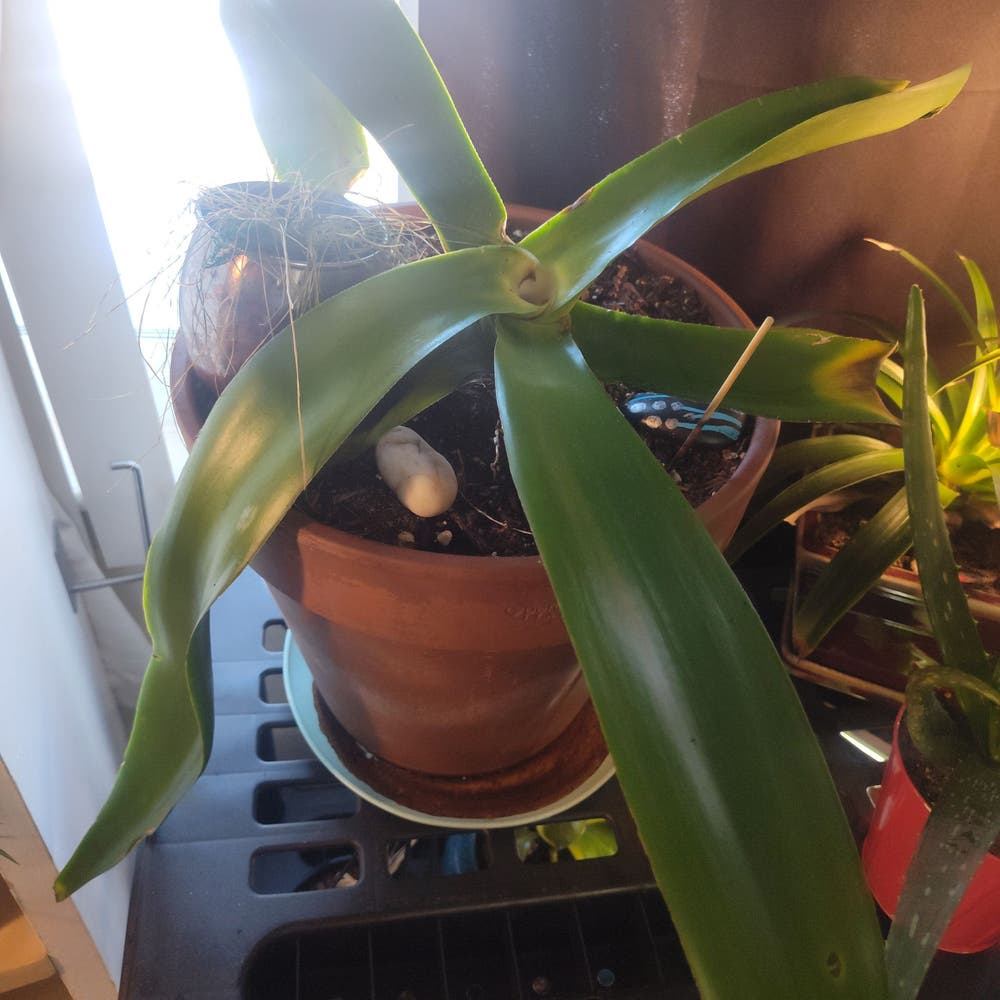
How to Know When to Repot a Century Plant?
Agave americana
By the Greg Editorial Team
Jun 08, 2024•3 min read
This article was created with the help of AI so we can cover more plants for you. May contain errors. See one? Report it here.
Boost your Century Plant's health and prevent root crowding with this essential repotting guide. 🌵👍
- Roots peeking out? Time to repot your Century Plant.
- Choose a breathable pot with a size up and drainage holes.
- Monitor health post-repotting, adjust water and soil as needed.
Recognizing the Need for Repotting
🌱 Root Conditions
When your Century Plant starts mimicking an escape artist with roots poking out of the pot's drainage holes, it's not just showing off—it's cramped. Root-bound symptoms, such as a tangled web of roots, are your plant's version of sending an SOS. If you spot roots circling the surface soil or making a break for it above the rim, it's time to give your plant the space it deserves.
📈 Plant Growth
Stunted growth isn't a sign of a lazy plant; it's a cry for help. A Century Plant that stops growing is like a teenager stuck in a kiddie pool—overcrowded and uncomfortable. If you notice the plant tipping over its pot or if it has a family of offsets, known as "pups," vying for room, consider this a clear indication that it's time to repot.

Preparing for Repotting
🌱 Choosing the Right Pot Size
When it's time to repot, size is key. Opt for a pot that's 1-2 inches larger in diameter than the current one. This allows room for growth without drowning the roots in too much soil, which can lead to waterlogging.
🏺 Selecting the Right Pot Material
Material matters for the health of your Century Plant. Terracotta and unglazed ceramic are the MVPs here, thanks to their breathability. They wick away excess moisture, safeguarding against root rot. Plastic can work if you're on a budget, but ensure it has drainage holes. Concrete is another heavyweight option, quite literally, providing stability for your potentially top-heavy plant.
Remember, drainage is non-negotiable, regardless of your material choice. Without it, you're signing up for a soggy plant disaster.

The Repotting Process
🌵 Removing the Plant Safely
Gently coax your Century Plant from its pot like a hedgehog from hibernation. Tilt the pot, tap its rebellious sides, and persuade the plant to slide out with its roots intact. If it's stubborn, squeeze the pot's sides with conviction.
🏜️ Soil Considerations
Select a sandy mix that drains faster than a sink in an infomercial. This isn't the place for soil that clings; think loose and gritty, like a detective novel's protagonist.
🌱 Transplanting Techniques
Place the plant in its new abode, ensuring it's as centered as a monk in meditation. Surround the roots with your well-draining soil, tucking them in snugly. Water with the precision of a barista crafting the perfect espresso shot—enough to moisten, not drench.

Aftercare Following Repotting
💧 Watering Practices
After the repotting hustle, your Century Plant needs a hydration strategy. Initially, water more frequently to help it settle, but don't drown it in enthusiasm. Moderation is key.
Monitoring Plant Health
Keep a close eye on your plant's vibe. Yellowing leaves? Could be stress. Drooping? It might be begging for a drink or less sun. Adjust care accordingly, and remember, patience is a virtue when waiting for signs of recovery.
⚠️ Safety First
This content is for general information and may contain errors, omissions, or outdated details. It is not medical, veterinary advice, or an endorsement of therapeutic claims.
Always consult a qualified healthcare professional before using any plant as food, medicine, or supplement.
Never eat any plant (or feed one to pets) without confirming its identity with at least two trusted sources.
If you suspect poisoning, call Poison Control (800) 222-1222, the Pet Poison Helpline (800) 213-6680, or your local emergency service immediately.
Spotted an error? Please report it here.
Repot your Century Plant like a pro 🌱 with Greg's personalized reminders and step-by-step guidance to ensure it thrives in its new home!