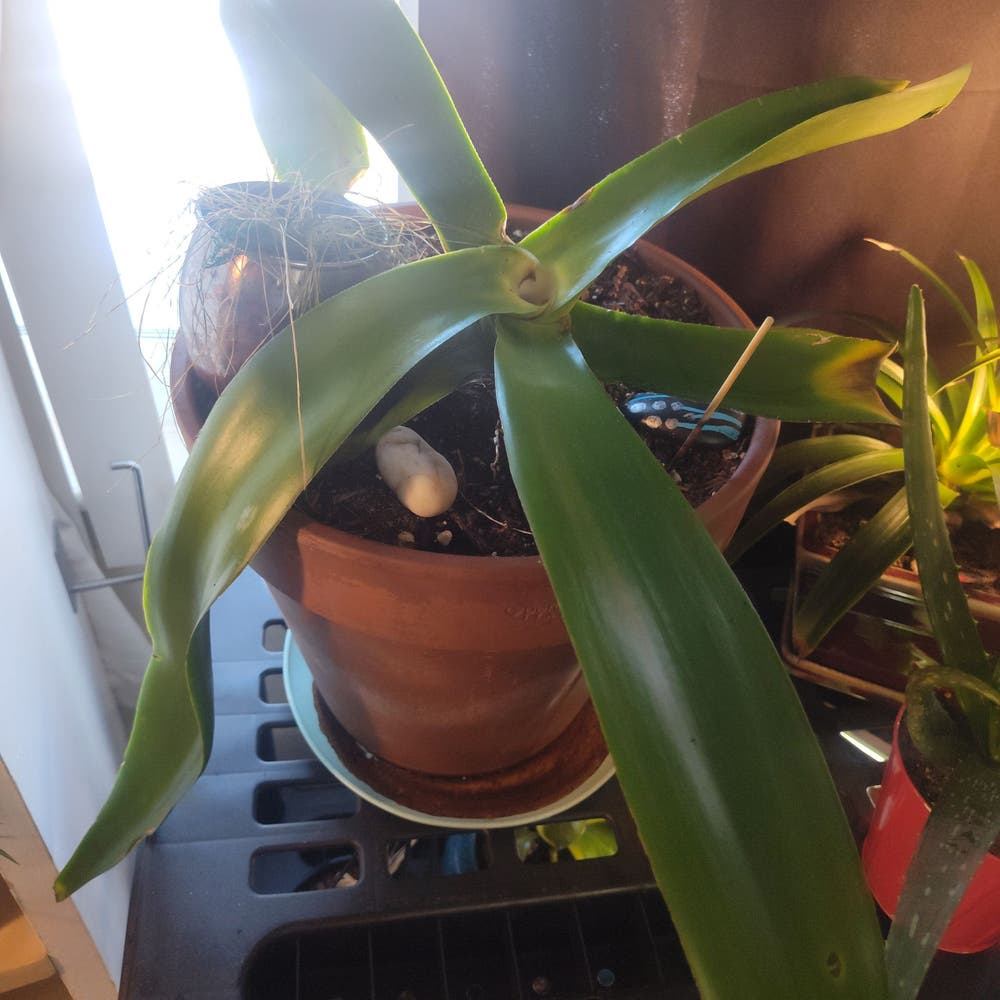
Why Are My Century Plant Leaves Droopy?
Agave americana
By the Greg Editorial Team
Jun 08, 2024•8 min read
This article was created with the help of AI so we can cover more plants for you. May contain errors. See one? Report it here.
Prevent the droop and ensure your Century Plant thrives with these pivotal care strategies. 🌵🔍
- Water balance is key: too much or too little causes droopiness.
- Well-draining soil prevents root rot, ensuring healthy Century Plant leaves.
- Nutrients, pests, and environment all impact leaf health; monitor and adjust care.
Understanding Century Plant Leaves Droopiness
🌱 The Significance of Droopy Leaves
Droopy leaves in a Century Plant aren't just a cosmetic issue; they're a symptom. Like a flag at half-mast, they can indicate a range of conditions from underwatering to the plant's final bow after blooming.
🚨 Impact on Plant Health
When leaves droop, it's like a check engine light. It could mean dehydration or root rot from overwatering. Both extremes can lead to a domino effect, compromising the plant's overall health. Addressing droopy leaves isn't just about aesthetics; it's about preventing a cascade of health issues.

Watering Practices for Addressing Droopy Leaves
Proper watering is crucial for preventing the Century Plant's theatrical droop.
💧 The Balancing Act
Overwatering is as much a faux pas as underwatering. Your goal: soil that's moist, not a swamp. Let the topsoil dry slightly between waterings to avoid root rot, the silent killer of many houseplants.
💦 Frequency and Quantity
Adjust your watering schedule to the plant's performance. If the leaves sag like a disappointed parent, it's time to reassess. Less is often more; water deeply but infrequently to encourage strong root growth.
🌱 Seasonal Adjustments
Remember, plants don't stick to our calendar. They're more in tune with Mother Nature's mood swings. Reduce watering in cooler months when the plant's thirst isn't as dire.
🏋️♂️ The Weight Test
Lift the pot. Feels lighter than your last paycheck? It's probably time to water. Heavier than your emotional baggage? Hold off on the H2O.
👆 The Finger Test
Trust your instincts and your index finger. If the soil feels dry a couple of inches down, it's time for a drink. If it's damp, like a morning lawn, wait it out.
🕵️ Observation is Key
Keep an eye out for early stress signs, like a subtle change in leaf color. Adjust your care routine swiftly to prevent a full-blown leaf flop.
💧 Water Quality Matters
Don't just focus on quantity; quality is just as important. If your tap water is harder than a week-old bagel, consider using filtered or rainwater to avoid mineral buildup that could stress your plant.
💧 Drip Irrigation
For the forgetful gardener, consider a drip irrigation system. It's like a slow IV drip for your plant, providing consistent moisture without overdoing it.
Remember, your Century Plant isn't just another pretty face; it's a living entity that needs your attentive care. Keep it hydrated, but don't drown it in your love.

Soil and Drainage Management
Well-draining soil is not just a preference for Century Plants; it's a survival requisite. These stoic succulents demand an environment that emulates their native arid homelands.
🌊 The Perils of Poor Drainage
When the soil holds a pool party without an end, roots become the unfortunate guests that can't leave. Root rot sets in, turning a once-thriving Century Plant into a droopy shadow of its former self.
🚿 Drainage: The Intervention
Mix it up with materials like perlite, sand, or gravel to transform that clingy, soggy soil into a well-draining haven. Think of it as giving your plant's roots a breathable raincoat for those wet days.
💧 Signs of Soggy Soil Syndrome
If the soil feels more like a wet sponge than a moist cake, it's time for a change. Your Century Plant will show its gratitude with perky leaves that stand up like they've had a shot of espresso.
💨 The Airflow Factor
Don't forget to let the soil breathe. A pot with proper ventilation is like a good pair of lungs for your plant, ensuring that oxygen flows freely to the roots.
⚖️ The Balancing Act
While you're playing matchmaker with soil and water, remember that too dry can be just as deadly as too wet. Aim for that sweet spot where the soil is as moist as a well-steamed pudding, but never waterlogged.
💦 Watering Wisdom
When in doubt, let the soil dry out—partially. Water your Century Plant deeply but infrequently, allowing the top inch of soil to become dry to the touch before the next watering rendezvous.
🌱 The Bottom Line
In the quest for droop-less leaves, soil and drainage are your trusty sidekicks. Get these right, and your Century Plant will stand tall, ready to face the world with all the poise of a desert king.

Environmental Factors Affecting Leaf Health
🌬️ The Wrath of the Elements
Wind and extreme temperatures are like kryptonite to Century Plant leaves. These succulent giants may look tough, but their leaves can turn into drama queens in the face of harsh weather. When the wind howls, it's not just your garden chimes that take a beating; the leaves can split, making the plant look like it's been through a paper shredder.
☀️ Turn Down the Heat
Scorching heat can cook the leaves, leaving them droopy and sunburned. It's like they've been left on a grill too long, and no one likes overcooked greens. To prevent a Century Plant from becoming a crispy critter, shade is your best friend during those peak UV hours.
🌬️ When the Air Attacks
And let's not forget about air quality. Pollution is the silent assassin of the plant world. If your Century Plant is gasping for clean air, its leaves might start to look like they've aged a decade overnight. Keep an eye on the air quality index in your area, especially if you're in a city that loves to puff out smoke like a chimney.
💧 A Thirst for Balance
Remember, these plants are desert-born warriors; they crave balance. Too much humidity and they'll feel like they're drowning. Too little, and they'll shrivel up like a forgotten prune. Aim for that sweet spot where the air isn't too muggy or bone-dry.
🌪 Shielding from the Storm
To protect your Century Plant from environmental mood swings, consider strategic placement. A spot that offers some protection from the wind, perhaps near a wall or fence, can be a game-changer. And when the mercury rises, think about some temporary shade solutions—a sun sail or a well-placed umbrella can work wonders.
🌿 The Takeaway
In essence, if you want your Century Plant to avoid the droops, you've got to play bodyguard against the elements. It's a bit like being a plant bouncer—keeping the riff-raff of bad weather at bay. Get this right, and your Century Plant will stand tall, come rain or shine.
Nutrient Management for Healthy Leaves
💡 The Role of Nutrients
Nutrient balance is crucial for preventing droopy leaves in Century Plants. Like a chef's precise seasoning, the right mix can elevate your plant's health.
🚦 Identifying Deficiencies
Watch for subtle signs like a change in leaf color or slowed growth. These can signal a cry for help from your plant.
🌱 Addressing the Imbalance
Balanced fertilizers are your plant's best friend. They're like a multivitamin, providing a spectrum of essential nutrients.
🌊 Fertilizer Application
Apply a water-soluble fertilizer carefully. It's a rejuvenating tonic when used correctly but can cause damage if overdone.
🌿 Slow-Release Options
Consider slow-release pellets for a steady nutrient supply. It's a set-and-forget solution, releasing goodness over months.
✂️ Nutrient Uptake
Prune dead leaves to help your plant focus on the healthy ones. It's like cutting off dead weight to let the good vibes flow.
🌍 Real-World Insights
Remember, over-nutrition can lead to a "nutrient hangover," so moderation is key. It's about finding that sweet spot, just like your morning coffee's sugar level.
Pest and Disease Control for Leaf Health
🐛 Identifying Common Pests and Diseases
Aphids, scale insects, and mealybugs are the usual suspects when it comes to pests causing droopy leaves in Century Plants. These critters suck the life out of your plant, leaving the leaves limp and lifeless. Fungal diseases, like leaf spot, are also culprits, thriving in moist conditions and leading to similar droopiness.
🛡️ Strategies for Prevention
Prevention is your best defense. Keep the leaves dry; water from below. Ensure your plant is robust by feeding it a balanced diet—think of it as a plant smoothie of essential nutrients. Regularly check for signs of pests or disease; early detection means easier management.
💉 Treatment Tactics
If pests are partying on your plant, show them the door with insecticidal soap or neem oil. For fungal foes, prune affected areas and consider a broad-spectrum fungicide. But remember, it's not just about the cure—it's about the care. Keep your plant clean to keep it happy.
🌿 Integrated Pest Management
Embrace the ecosystem. Attract friendly insects that prey on the pests. It's like setting up a neighborhood watch for your plant. And if things get out of hand, consult with local Cooperative Extension Services or plant-savvy communities for expert advice.
🚨 The Bottom Line
Stay vigilant. Regularly inspect your Century Plant for uninvited guests and signs of disease. Act swiftly but thoughtfully, using targeted treatments. And always, always prioritize your plant's overall health—it's the secret to keeping those leaves perky.
⚠️ Safety First
This content is for general information and may contain errors, omissions, or outdated details. It is not medical, veterinary advice, or an endorsement of therapeutic claims.
Always consult a qualified healthcare professional before using any plant as food, medicine, or supplement.
Never eat any plant (or feed one to pets) without confirming its identity with at least two trusted sources.
If you suspect poisoning, call Poison Control (800) 222-1222, the Pet Poison Helpline (800) 213-6680, or your local emergency service immediately.
Spotted an error? Please report it here.
Turn your Century Plant's frown upside down by letting Greg nurture 🌿 it back to health with custom care plans that prevent droopy leaves and promote perky growth.