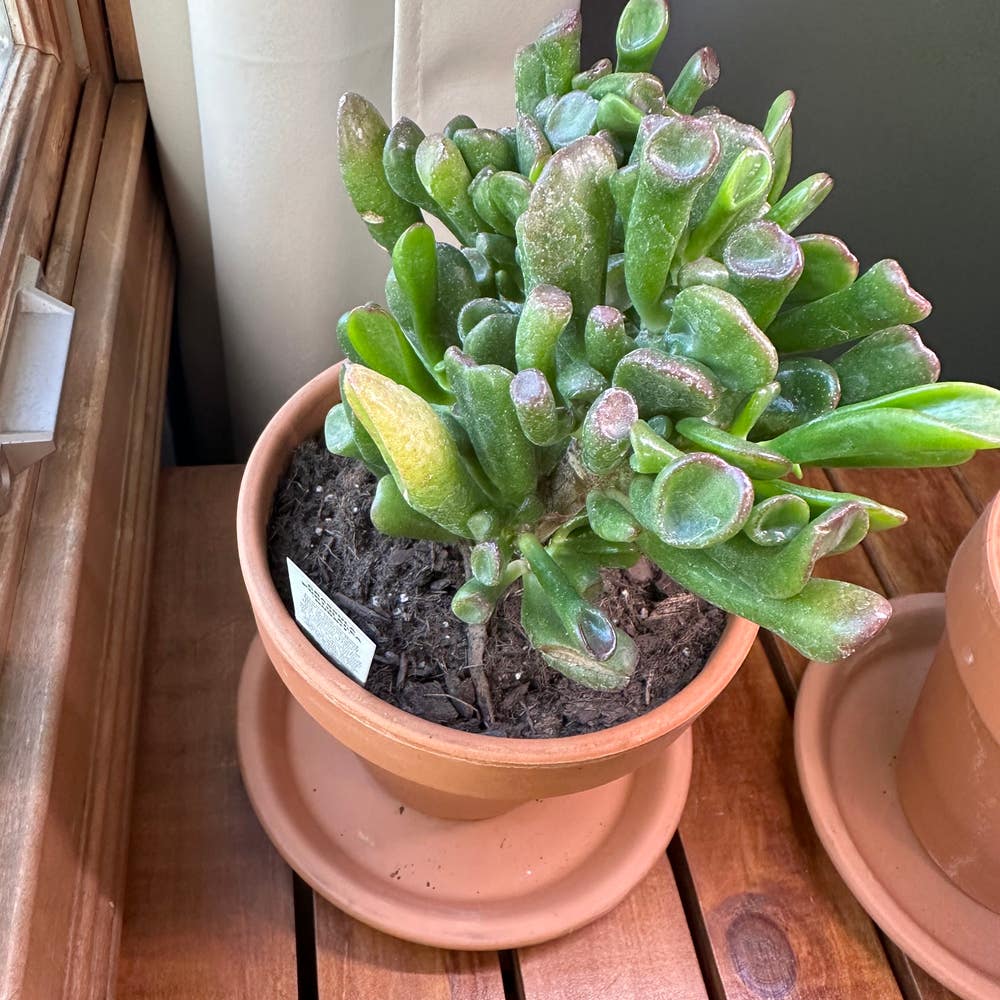
How to Get a Hobbit Jade to Bloom
Crassula ovata 'Hobbit'
By the Greg Editorial Team
Feb 11, 2024•5 min read
This article was created with the help of AI so we can cover more plants for you. May contain errors. See one? Report it here.
Unearth the magic 🌟 to make your Hobbit Jade burst into bloom with these key cultivation tricks! 🌱
- 🌞 Bright direct light for 4+ hours is essential for blooming.
- 🌡️ Warm days, cooler nights trigger Hobbit Jade's flowering.
- 💧🌱 Water when dry, use well-draining soil, and prune for health.
Light the Way to Blooms
🌞 The Perfect Light Balance
Hobbit Jades are sun worshippers at heart. They demand a generous dose of bright direct light for at least four hours daily to set the stage for blooming. A Western or Southern window is their ticket to paradise, bathing them in the natural light they crave. If your home is more cave than sunroom, a grow light can step in to fill the void, ensuring your plant doesn't miss out on its solar fix.
🌅 Sunlight Schedule
Creating a sunlight schedule is like choreographing a dance for your Hobbit Jade's blooming routine. Mimic the ebb and flow of natural daylight by using timers on grow lights. Aim for a consistent light show that follows the rhythm of day and night. This isn't just about clocking hours; it's about the quality of light. Full spectrum bulbs are your best bet, offering a rainbow of light that whispers to your plant, "It's time to bloom." Keep it close but not too close—12-36 inches is the sweet spot, avoiding the drama of sunburn while coaxing out those elusive flowers.
Temperature and Timing: Seasonal Secrets
🌡️ Warmth and Cool: The Temperature Tango
To trigger flowering in your Hobbit Jade, you'll need to master the art of temperature control. During the day, keep things warm, but not too hot; think comfortable spring day, not scorching summer. As night falls, allow the temperature to drop, simulating the cooler desert evenings that Hobbit Jades crave. This daily contrast is like a secret handshake, telling your plant it's time to put on a floral show.
📅 Seasonal Cues
Your Hobbit Jade's internal clock is tuned to the seasons, even if it's living on your windowsill. As autumn approaches, it's time to dial back the heat. Cooler nights are a nod to the plant that winter is coming, and it's time to get those blooms ready. Keep your home's temperature steady during the day and cooler at night, aiming for a 10-15 degree difference. If you nail this routine, you'll be on the VIP list for the Hobbit Jade's exclusive blooming party.
Water and Soil: The Foundation of Flowers
💧 Water Wisely for Blooms
Watering your Hobbit Jade is a delicate dance. Too much, and you risk root rot; too little, and the plant's succulent leaves may start to shrivel. To hit the sweet spot, water only when the soil is bone-dry. This plant's a camel at heart, storing water in its leaves, so let the soil's thirst guide your watering can.
🌱 Soil Mix Mastery
The right soil mix for your Hobbit Jade is like a bespoke suit; it needs to fit perfectly. Aim for a peat-based, well-draining mix that allows the roots to breathe while holding just enough moisture. Mix in some perlite or coarse sand to improve drainage. Remember, a happy root system paves the way for those coveted blooms.
Pruning and Feeding: Grooming for Growth
🌱 Strategic Pruning
Pruning your Hobbit Jade isn't just a trim; it's a strategic move. Snip away overgrown or leggy stems to promote a more bushy growth conducive to blooming. Aim for a shape that allows sunlight to reach all parts, encouraging energy to be directed towards flower production. Remember, each cut is a directive for the plant to focus on the good stuff—those potential vibrant flowers.
🌿 Fertilizer: The Bloom Booster
When it comes to fertilizing, think of it as a dialogue with your plant. A balanced 10-10-10 NPK ratio during the growing season is your best bet. Post-pruning is the perfect time to fertilize, giving your Hobbit Jade the pep talk it needs to bloom. But don't overdo it; over-fertilization can do more harm than good. Adjust based on your plant's response, and ease up as the cooler months approach.
When Blooms Don't Blossom: Troubleshooting Tips
💡 Common Bloom Blockers
Light can make or break your Hobbit Jade's aspirations to bloom. Too little, and your plant is stuck in a vegetative limbo. Too much, and you risk leaf burn. Aim for bright, indirect light to hit the sweet spot.
Pests are like unwanted guests at a party, draining your plant's energy. Keep an eye out for aphids, spider mites, and mealybugs. Regular inspections and prompt treatment are crucial.
Watering is a balancing act. Overwatering leads to root rot, a surefire bloom deterrent, while underwatering leaves your plant too stressed to produce flowers. The soil should be moist, not soggy. Let the top inch dry out before watering again.
Temperature plays a role too. If your Hobbit Jade is too cold, don't expect a floral show. Keep it warm, but not hot, and be mindful of sudden temperature drops.
💡 Reviving the Bloom Cycle
If your Hobbit Jade is bloom-shy, it might be time for some tough love. Adjust your lighting if necessary, perhaps with a grow light to supplement natural light.
Fertilize with care. A phosphorus-rich option encourages blooms, but over-fertilizing can lead to lush leaves at the expense of flowers. Less is more here.
Pruning can redirect energy to potential blooms. Remove old growth to focus your plant's efforts on flowering.
Sometimes, it's a waiting game. Plants need time to mature. If your Hobbit Jade is young, be patient; it may simply not be ready to bloom.
Lastly, consider the possibility of a poor cultivar. If you've tried everything and still no blooms, it might be time to start with a new plant known for its blooming prowess.
⚠️ Safety First
This content is for general information and may contain errors, omissions, or outdated details. It is not medical, veterinary advice, or an endorsement of therapeutic claims.
Always consult a qualified healthcare professional before using any plant as food, medicine, or supplement.
Never eat any plant (or feed one to pets) without confirming its identity with at least two trusted sources.
If you suspect poisoning, call Poison Control (800) 222-1222, the Pet Poison Helpline (800) 213-6680, or your local emergency service immediately.
Spotted an error? Please report it here.