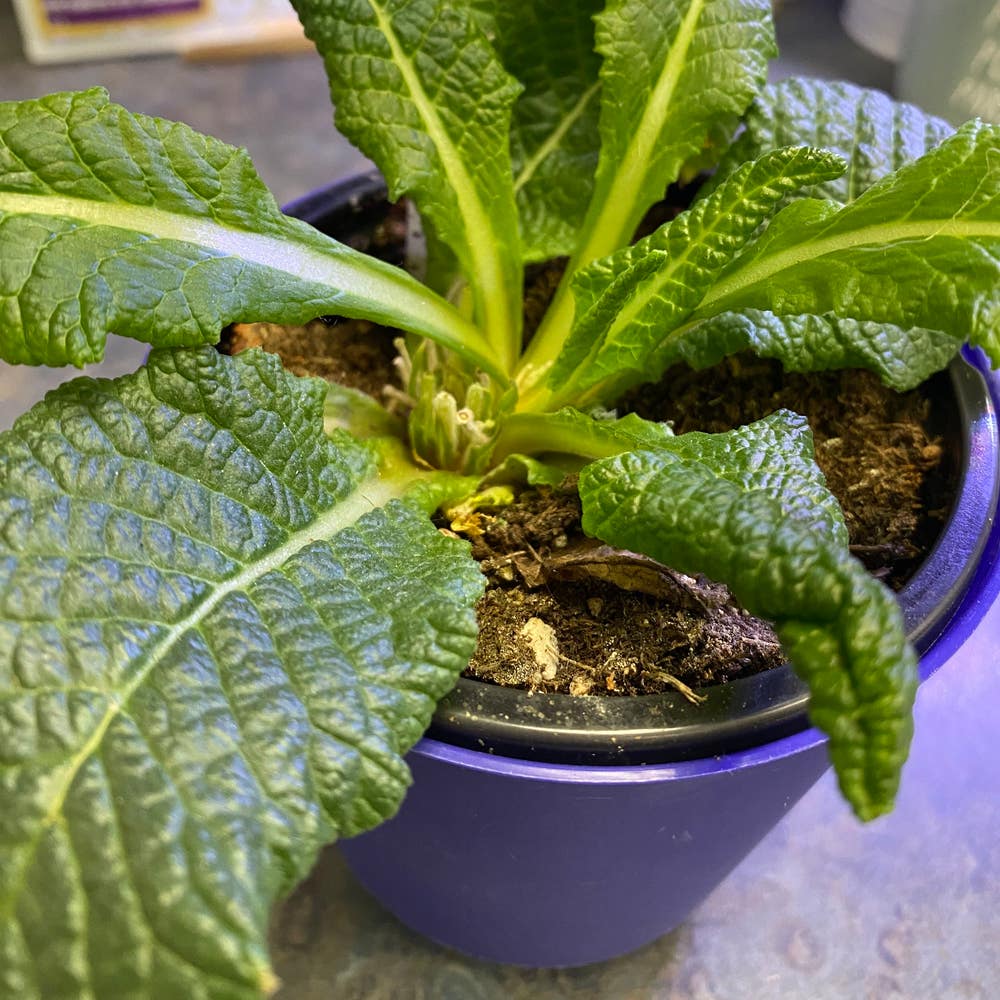
🌸 3 Secrets to Thriving Indoor Common Primrose
Primula vulgaris
By the Greg Editorial Team
Sep 30, 2024•6 min read
This article was created with the help of AI so we can cover more plants for you. May contain errors. See one? Report it here.
- 🌞 Bright, indirect sunlight for 4-6 hours daily keeps your primrose thriving.
- 💧 Water every 5-7 days; check soil dryness to prevent root rot.
- 🌿 Humidity of 40-60% is ideal; use trays or misting to maintain levels.
Light Requirements
Optimal Indoor Light Levels 🌞
For your indoor common primrose to thrive, it needs bright, indirect sunlight for about 4-6 hours daily. Direct sunlight can scorch its leaves and hinder flowering, so be mindful of its placement.
Role of Grow Lights 💡
In low-light conditions, grow lights become essential. They provide consistent light levels, especially during winter months or in darker rooms, ensuring your plant continues to flourish.
Choosing the Best Grow Light 🛠️
When selecting a grow light, consider the types available: LED, fluorescent, and incandescent. Full-spectrum LED lights with a color temperature of 5000K-6500K are highly recommended for optimal growth.
Position your grow light 12-18 inches above the plant for the best coverage. This distance helps distribute light evenly, promoting healthy growth without overwhelming the plant.
With the right light conditions, your common primrose will be well on its way to thriving indoors. Next, let’s explore its watering needs to keep it hydrated and healthy.
Watering Needs
Frequency and Method of Watering 🌊
Watering your indoor common primrose is crucial for its health. Aim to water every 5-7 days, ensuring the top inch of soil dries out between waterings.
To keep your plant thriving, water thoroughly until excess drains from the bottom. This method helps prevent root rot and ensures the roots receive adequate moisture.
Signs of Overwatering and Underwatering 🚨
Recognizing the signs of overwatering is essential. Look for yellowing leaves, wilting, and root rot, which indicate your plant is drowning.
On the flip side, underwatering can stunt growth and cause drooping leaves and dry soil. Keeping an eye on these symptoms will help you maintain a healthy primrose.
By mastering the watering needs of your common primrose, you set the stage for vibrant blooms and lush foliage. Next, let’s explore the ideal humidity and temperature conditions to further enhance your plant's growth.
Humidity and Temperature
Ideal Humidity Levels 🌧️
Common primrose thrives in humidity levels between 40% and 60%. To boost humidity, consider using a pebble tray filled with water, misting the leaves, or investing in a humidifier.
Temperature Preferences 🌡️
The ideal temperature range for common primrose is 15°C to 20°C (59°F to 68°F). During dormancy, slightly cooler temperatures of 10°C to 15°C (50°F to 59°F) are beneficial, allowing the plant to rest and prepare for the next growth cycle.
Maintaining the right humidity and temperature is crucial for your indoor common primrose. With the right care, your plant will flourish, setting the stage for vibrant blooms and healthy growth.
Soil and Fertilization
Best Soil Type 🌱
For your indoor common primrose, a well-draining potting mix is essential. Aim for a blend of peat moss, perlite, and compost to ensure optimal growth.
The pH level should be slightly acidic to neutral, ideally between 6.0 to 7.0. This balance supports nutrient availability and promotes healthy root development.
Fertilization Schedule and Types 🌼
Fertilizing your primrose is straightforward. During the growing season—spring and summer—apply fertilizer every 4-6 weeks.
A balanced liquid fertilizer, such as a 10-10-10 NPK, is recommended. Dilute it to half strength to avoid overwhelming your plant with nutrients.
By following these soil and fertilization guidelines, your common primrose will thrive, setting the stage for vibrant blooms and lush foliage.
Next, let’s explore common issues and solutions to keep your plant healthy and beautiful.
Common Issues and Solutions
🐛 Pests and Diseases
Common pests can be a real headache for indoor common primrose enthusiasts.
Common Pests
- Aphids: These tiny insects can cause curled leaves and leave a sticky residue behind.
- Spider Mites: Look out for fine webbing and stippled leaves, which indicate their presence.
🛡️ Prevention and Treatment Methods
Regular inspections are key to keeping your plants healthy.
- Check for Pests Weekly: Make it a habit to inspect your plants for any signs of trouble.
- Control Methods: Use neem oil or insecticidal soap for treatment. Introducing beneficial insects can also help manage pest populations.
✂️ Appearance Maintenance
Keeping your common primrose looking its best is essential for its health.
Pruning and Deadheading
- Importance of Deadheading: This practice encourages new blooms and prevents seed formation, keeping your plant vibrant.
- Pruning Tips: Remove any dead or yellowing leaves to promote healthy growth and maintain a tidy appearance.
🍃 Tips for Keeping Leaves Healthy
Healthy leaves are crucial for your plant's overall vitality.
- Regular Cleaning: Wipe leaves with a damp cloth to remove dust, allowing the plant to breathe better.
- Avoid Overcrowding: Ensure adequate air circulation around the plant to prevent mold and pests.
By addressing these common issues, you can keep your indoor common primrose thriving and beautiful. Next, let’s explore the best placement and environment for your plant to flourish.
Placement and Environment
Best Locations in the Home 🌅
For your indoor common primrose, the best spots are east or west-facing windows. These locations provide the bright, indirect sunlight that your plant craves.
Avoid placing your primrose in dark corners or north-facing windows. Insufficient light can hinder its growth and flowering.
Avoiding Drafts and Extreme Temperatures ❄️
Stable temperatures are crucial for your plant's health. Protect it from cold drafts and heat sources to maintain a comfortable environment.
Keep your primrose at least 3 feet away from heating vents and air conditioners. This distance helps prevent temperature fluctuations that can stress the plant.
Companion Plants 🌿
Consider pairing your primrose with shade-loving companions like ferns and peace lilies. These plants not only thrive in similar conditions but also enhance the humidity around your primrose.
Companion planting creates a visually appealing arrangement while fostering a healthier environment. The synergy between these plants can lead to a thriving indoor garden.
As you set up the perfect environment for your common primrose, remember that seasonal care is just as important. Let's explore how to adjust your care routine throughout the year.
Seasonal Care
Adjusting Care Throughout the Year 🌦️
As the seasons change, so should your care routine for indoor common primrose.
In spring, increase watering and fertilization to support the plant's growth as it awakens from dormancy.
During summer, keep an eye out for pests and ensure the humidity levels remain adequate for thriving foliage.
As fall approaches, gradually reduce watering to prepare your primrose for its dormant phase.
Preparing for Dormancy 💤
Recognizing the signs of dormancy is crucial for your plant's health.
You’ll notice reduced growth and fewer blooms as the plant conserves energy.
To support this transition, cut back on watering and stop fertilizing altogether.
Spring Care Tips for Rejuvenation 🌱
When spring arrives, it's time to breathe new life into your common primrose.
Start by pruning back any dead foliage to encourage fresh growth.
Resume regular watering and fertilization to kickstart its revival.
To stimulate blooms, increase light exposure and humidity levels, creating an inviting environment for your plant to flourish.
With these seasonal adjustments, your common primrose will thrive year-round, setting the stage for vibrant blooms and lush greenery.
Next, let’s explore how to tackle common issues and ensure your plant remains healthy and beautiful.
⚠️ Safety First
This content is for general information and may contain errors, omissions, or outdated details. It is not medical, veterinary advice, or an endorsement of therapeutic claims.
Always consult a qualified healthcare professional before using any plant as food, medicine, or supplement.
Never eat any plant (or feed one to pets) without confirming its identity with at least two trusted sources.
If you suspect poisoning, call Poison Control (800) 222-1222, the Pet Poison Helpline (800) 213-6680, or your local emergency service immediately.
Spotted an error? Please report it here.
Keep your indoor common primrose thriving 🌱 with Greg's tailored care reminders and expert tips on light, water, and humidity for a flourishing plant!