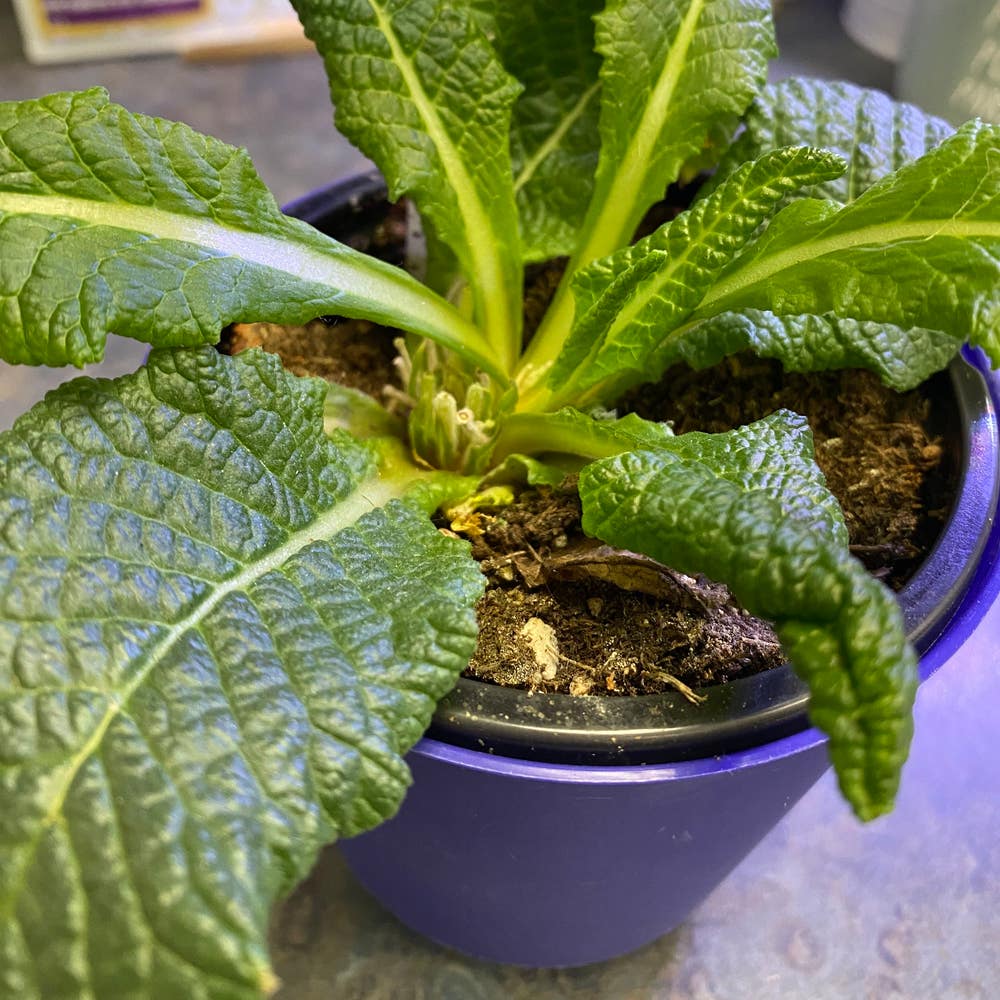
🌼 When to Plant: Primroses
Primula vulgaris
By the Greg Editorial Team
Oct 19, 2024•5 min read
This article was created with the help of AI so we can cover more plants for you. May contain errors. See one? Report it here.
- 🌱 Plant primroses 2-4 weeks after the last frost for best results.
- 🌡️ Ideal soil temperature for primroses is 50°F to 65°F for optimal growth.
- 📅 Know your region's planting months to ensure successful primrose cultivation.
Timing for Planting Primroses
🌨️ Importance of Frost Dates
Primroses are sensitive to frost, making timing crucial for successful planting. To ensure your plants thrive, it's essential to know your local frost dates.
Finding local frost dates is straightforward. Utilize resources like the USDA Plant Hardiness Zone Map or consult local agricultural extensions for precise information.
Aim to plant your primroses 2-4 weeks after the last frost date. This window allows the plants to establish themselves without the risk of frost damage.
🌡️ Soil Temperature Considerations
The ideal soil temperature for primroses ranges from 50°F to 65°F (10°C to 18°C). This temperature range is vital for optimal germination and root establishment.
To check soil temperature, use a soil thermometer. Insert it 2-4 inches into the soil, ideally in the morning after a warm day for the most accurate reading.
Understanding soil temperature is essential. It directly affects how well your primroses will germinate and establish their roots.
🌞 Day Length and Growth
Day length significantly impacts the flowering of primroses. For optimal growth, these plants generally require 12-14 hours of daylight.
Seasonal variations in day length can affect your planting times. Be mindful of how these changes occur in your region to ensure your primroses bloom beautifully.
In summary, timing your planting based on frost dates, soil temperature, and day length is crucial for successful primrose growth. Next, let’s explore regional planting considerations to further refine your planting strategy.
Regional Planting Considerations
Ideal Planting Months 🌱
When it comes to planting Primroses, timing is everything. Different regions have unique climates that dictate the best months for planting.
Florida
In Florida, the ideal planting window stretches from September to November. This timeframe allows Primroses to establish before the cooler winter months.
California
For California gardeners, October to December is prime time. The mild fall weather provides an excellent environment for these vibrant flowers.
Texas
In Texas, you can plant Primroses from October to March. This extended window accommodates the state's varied climate zones.
New York
New Yorkers should aim to plant between April and May. This timing ensures that the risk of frost has passed, allowing for healthy growth.
Colorado
In Colorado, the best months for planting are April to June. This period aligns with the warming temperatures that Primroses thrive in.
Ohio
Ohio gardeners can also plant from April to May. This timeframe is crucial for ensuring that the plants can flourish throughout the growing season.
Understanding these regional planting months is essential for successful Primrose cultivation. With the right timing, you can enjoy a stunning display of blooms in your garden.
Next, let’s explore the best seed starting techniques to maximize your Primrose growth.
Seed Starting Techniques
Indoor vs. Direct Sowing 🌱
Starting seeds indoors offers significant advantages. You can extend the growing season and maintain better control over environmental conditions.
For successful indoor seed starting, use a sterile seed starting mix. Ensure your seedlings receive 12-16 hours of light daily to promote healthy growth.
Timing Considerations for Starting Seeds ⏰
Timing is crucial when starting seeds. Aim to start them indoors 6-8 weeks before the last frost date for optimal results.
Once your seedlings are ready, transplant them after hardening off for 1-2 weeks. This gradual acclimatization helps them thrive in their new environment.
Best Practices for Direct Sowing 🌾
Direct sowing can be a straightforward method if conditions are right. Ensure the soil temperature is within the optimal range for Primroses to thrive.
The best time for direct sowing is after the last frost date when the soil has warmed up. This timing helps ensure successful germination and growth.
With these techniques in mind, you're well on your way to cultivating beautiful Primroses. Next, let’s explore regional planting considerations to further enhance your gardening success.
Comprehensive Planting Guide
Summary of Key Factors for Successful Planting 🌱
When planting primroses, timing is everything. Understanding frost dates is crucial, as these delicate flowers are sensitive to cold. Aim to plant 2-4 weeks after your last frost date for the best results.
Soil temperature also plays a significant role. Primroses thrive in soil temperatures between 50°F and 65°F (10°C to 18°C). Use a soil thermometer to check conditions, ideally in the morning after a warm day.
Importance of Regional Considerations 🌍
Regional factors can greatly influence your planting success. Different areas have unique climates that affect when primroses can be planted. For instance, Florida gardeners can start as early as September, while those in New York should wait until April.
Optimal Planting Times by State 🗓️
Here’s a quick overview of the best planting months for primroses across the U.S.:
| State | Optimal Planting Months |
|---|---|
| Florida | September to November |
| California | October to December |
| Texas | October to March |
| New York | April to May |
| Colorado | April to June |
| Ohio | April to May |
This table provides a handy reference to ensure you’re planting at the right time for your region.
By keeping these key factors in mind—frost dates, soil temperature, and regional timing—you'll set yourself up for a flourishing primrose garden. Next, let’s dive into effective seed starting techniques to maximize your planting success!
⚠️ Safety First
This content is for general information and may contain errors, omissions, or outdated details. It is not medical, veterinary advice, or an endorsement of therapeutic claims.
Always consult a qualified healthcare professional before using any plant as food, medicine, or supplement.
Never eat any plant (or feed one to pets) without confirming its identity with at least two trusted sources.
If you suspect poisoning, call Poison Control (800) 222-1222, the Pet Poison Helpline (800) 213-6680, or your local emergency service immediately.
Spotted an error? Please report it here.
Get your primroses blooming brilliantly 🌸 by using Greg's tailored reminders and soil temperature checks to plant at the perfect time!