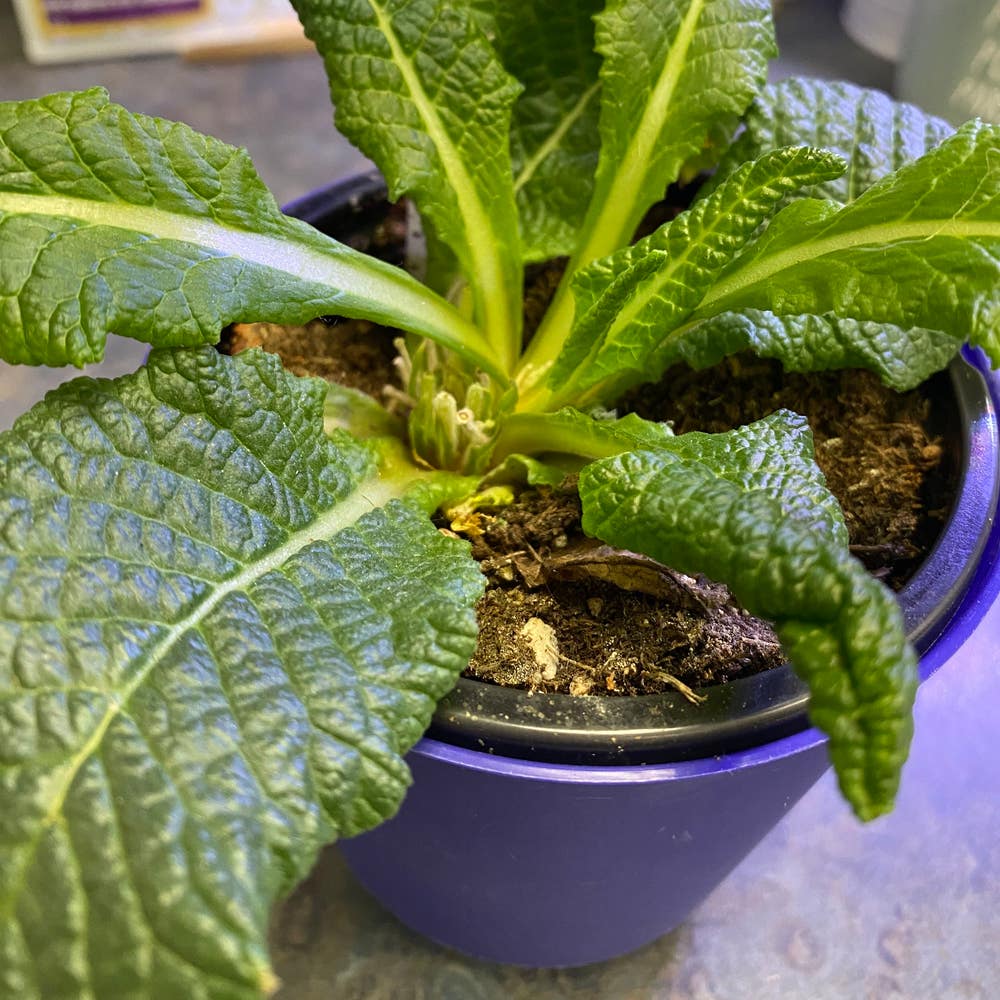
🌸 Why Your Primroses Buds Won't Open
Primula vulgaris
By the Greg Editorial Team
Oct 19, 2024•5 min read
This article was created with the help of AI so we can cover more plants for you. May contain errors. See one? Report it here.
- 🌞 Primroses need 6-8 hours of indirect sunlight daily for blooming success.
- 🌱 Nutrient-rich, well-draining soil is crucial for vibrant Primrose flowers.
- 💧 Overwatering causes root rot, hindering Primrose's ability to bloom effectively.
Failure to Bloom
🌞 Causes of Flowering Failure
Insufficient Light
Primroses thrive on sunlight, needing around 6-8 hours of indirect light daily. Without this, their buds may remain tightly closed, leaving you wondering why your beautiful blooms aren't showing up.
Poor Soil Conditions
The right soil is crucial for healthy Primroses. They prefer well-draining soil enriched with organic matter to support robust growth and flowering.
Nutritional Deficiencies
A lack of essential nutrients can stifle flower production. If your Primroses are missing key elements, their budding potential may be compromised.
🌼 Solutions to Encourage Blooming
Adjusting Light Exposure
To boost blooming, reposition your Primroses to receive adequate light. Aim for spots that provide 6-8 hours of indirect sunlight each day.
Improving Soil Quality
Enhance your soil by mixing in compost. This not only improves drainage but also enriches the nutrient content, setting the stage for vibrant blooms.
Fertilization
Regular fertilization is key during the growing season. Use a balanced fertilizer to ensure your Primroses receive the nutrients they need to flourish.
By addressing these factors, you can encourage your Primroses to bloom beautifully. Next, let’s explore the issue of premature flower drop and how to prevent it.
Premature Flower Drop
🌪️ Causes of Premature Flower Drop
Premature flower drop can be frustrating for any gardener. Understanding the causes is the first step to preventing it.
Environmental Stress
Fluctuations in temperature and humidity can stress Primroses, leading to bud drop. Keeping a stable environment is crucial for their health.
Overwatering
Excess moisture is another common culprit. Overwatering can cause root rot, which directly affects the plant's ability to retain flowers.
Pest Infestations
Pests like aphids and spider mites can weaken your Primroses. Their presence can lead to premature flower loss, so vigilance is key.
🛠️ Solutions to Prevent Flower Drop
Now that we know the causes, let’s explore effective solutions to keep your Primroses blooming beautifully.
Proper Watering Techniques
Water your Primroses only when the top inch of soil is dry. This simple practice ensures good drainage and prevents root rot.
Pest Management
Regularly inspect your plants for pests. If you spot any, apply appropriate treatments to keep your flowers safe and healthy.
Environmental Adjustments
Maintaining stable temperature and humidity levels is essential. Aim for a cool environment to help your Primroses thrive and reduce stress.
By addressing these factors, you can significantly reduce the chances of premature flower drop. Next, we’ll delve into abnormal flower development and how to ensure your Primroses bloom beautifully.
Abnormal Flower Development
🌱 Causes of Abnormal Flower Development
Genetic Factors
Some Primrose varieties come with inherent flowering issues. These genetic traits can lead to unexpected blooms or even a lack of flowers altogether.
Nutrient Imbalances
Nutrient levels play a crucial role in flower development. An excess or deficiency of specific nutrients can distort flower shape and size, leading to disappointing results.
Improper Pruning
Incorrect pruning techniques can disrupt the natural bloom cycle. If not done correctly, pruning can damage buds and hinder future flowering.
🌼 Solutions for Healthy Flower Development
Selecting Healthy Plants
Choosing disease-resistant varieties is key to better flowering outcomes. Healthy plants are more likely to thrive and produce vibrant blooms.
Balanced Fertilization
A proper mix of nitrogen, phosphorus, and potassium is essential. This balanced fertilization supports robust growth and encourages beautiful flowers.
Correct Pruning Techniques
Prune your Primroses after flowering to promote new growth. This timing helps ensure that you don’t damage any developing buds, setting the stage for a stunning display next season.
By understanding the causes of abnormal flower development and implementing these solutions, you can foster a thriving Primrose garden. Next, let’s explore the nutritional factors that significantly affect flowering.
Nutritional Factors Affecting Flowering
🌱 Essential Nutrients for Flower Development
Primroses thrive on a balanced diet of essential nutrients. Nitrogen promotes lush foliage, phosphorus fuels vibrant blooms, and potassium supports overall plant health.
Recognizing nutrient deficiencies is crucial for maintaining healthy Primroses. Yellowing leaves often signal a nitrogen shortage, while poor flowering indicates a lack of phosphorus. Weak stems may suggest insufficient potassium.
🌼 Fertilization Techniques
To keep your Primroses blooming beautifully, apply a balanced fertilizer every 4-6 weeks during the growing season. This regular feeding helps ensure they receive the nutrients they need.
Timing is key when fertilizing. Using slow-release fertilizers in spring provides sustained nutrient availability, allowing your plants to flourish throughout the season.
By understanding and addressing nutritional factors, you can significantly enhance the flowering potential of your Primroses. This foundation sets the stage for exploring environmental stressors that may also impact their growth.
Environmental Stressors
🌡️ Temperature and Humidity Effects
Primroses thrive in cooler temperatures, ideally between 15-20°C (59-68°F). They also prefer moderate humidity levels, which help maintain their vibrant blooms.
Extreme conditions can wreak havoc on these delicate flowers. High temperatures often lead to wilting and bud drop, while low humidity can stress the plants, hindering their growth and flowering potential.
🐛 Pest and Disease Management
Common pests like aphids, slugs, and spider mites can significantly damage Primroses. These pests not only weaken the plants but can also lead to unsightly foliage and reduced flowering.
To combat these issues, consider implementing integrated pest management (IPM) strategies. This approach includes using natural predators and organic treatments, ensuring your Primroses remain healthy and vibrant without harsh chemicals.
By maintaining optimal temperature and humidity levels and managing pests effectively, you can create a thriving environment for your Primroses. This foundation will set the stage for healthy blooms and robust growth, leading to a flourishing garden.
⚠️ Safety First
This content is for general information and may contain errors, omissions, or outdated details. It is not medical, veterinary advice, or an endorsement of therapeutic claims.
Always consult a qualified healthcare professional before using any plant as food, medicine, or supplement.
Never eat any plant (or feed one to pets) without confirming its identity with at least two trusted sources.
If you suspect poisoning, call Poison Control (800) 222-1222, the Pet Poison Helpline (800) 213-6680, or your local emergency service immediately.
Spotted an error? Please report it here.
Unlock vibrant Primrose blooms 🌼 by using Greg's tailored watering and fertilization reminders to give your plants the care they need!